














Story Highlight
– UK fire safety rules to be overhauled after 40 years.
– Campaigner Delyth Fetherston-Dilke highlights health risks.
– New ‘smoulder test’ replaces outdated open flame test.
– Evidence links flame retardants to cancer and health concerns.
– Proposed changes aim to protect public health effectively.
Full Story
Revisions to fire safety regulations in the UK, which have mandated the use of potentially harmful chemicals in sofas, are set to be implemented following extensive advocacy by campaigners. The changes aim to address the persistent concerns regarding the health risks these substances pose to families, particularly young children and animals.
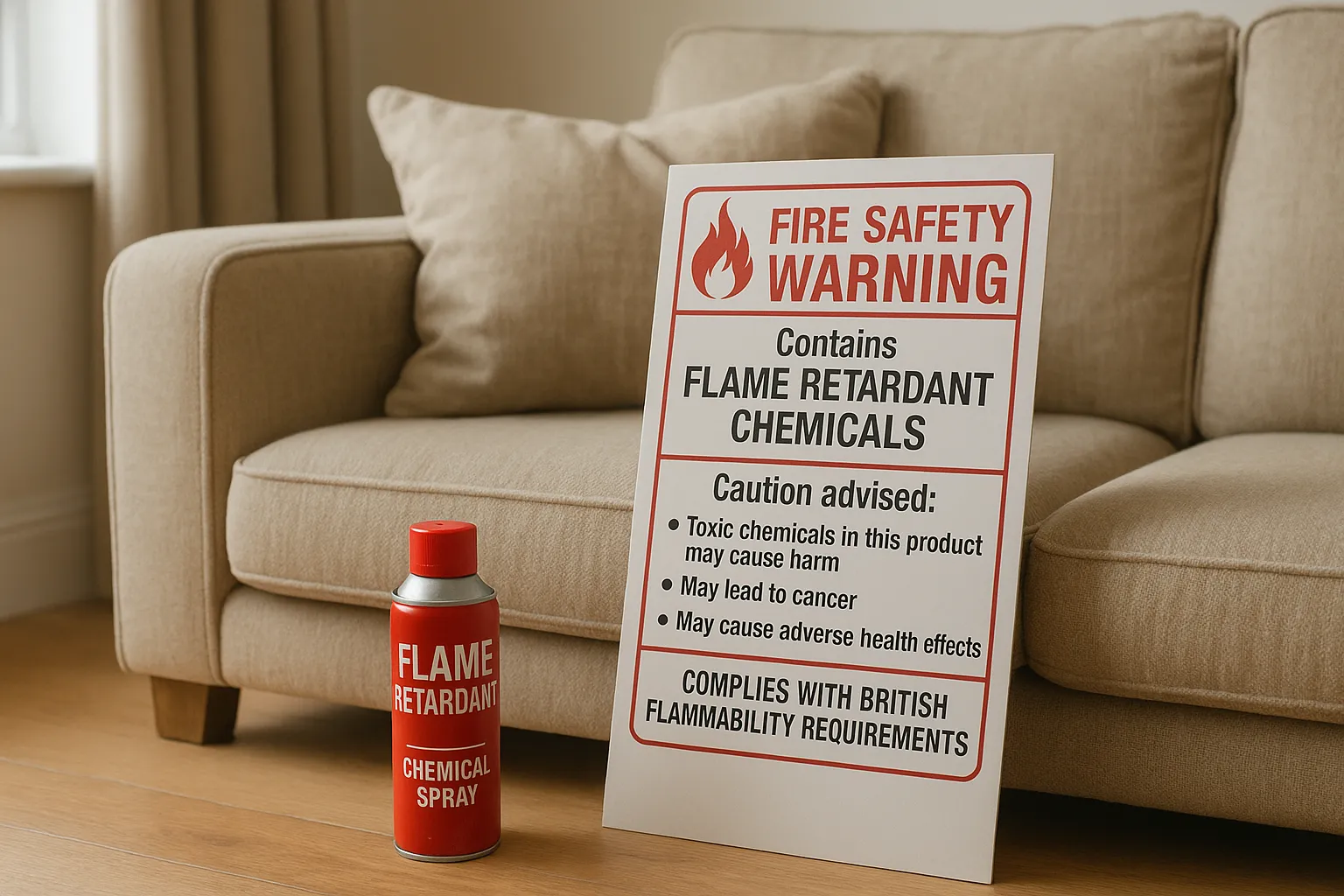
A detailed investigation by The Sunday Times has revealed that the current fire safety rules, in place for nearly four decades, are significantly more stringent than those in other countries. This has made compliance exceedingly challenging without incorporating substantial quantities of chemical flame retardants. Typically, a sofa in the UK contains approximately 2kg of these toxic materials.
Delyth Fetherston-Dilke, a mother and former lawyer from Richmond in southwest London, has been at the forefront of this campaign for reform. Having retrained as an upholsterer, she discovered a wealth of scientific literature indicating that the very chemicals intended to mitigate fire risks are indeed hazardous to human and animal health. Fetherston-Dilke has consistently argued that the regulations create a hidden danger within homes, as they fail to demonstrate a clear link between the use of flame retardants and a measurable decrease in fire-related fatalities.
Her advocacy gained momentum following recent reports from the World Health Organization (WHO), which classified TCPP, the most widely used flame retardant in UK sofas, as “probably carcinogenic to humans” in the latest issue of Lancet Oncology. The evidence presented by scientists and health campaigners suggests that these chemicals are not contained within the furniture as intended; they can escape into household dust, where they may be inhaled or ingested. Young children, who often come into closer contact with the ground and soft furnishings, are particularly susceptible to the adverse effects posed by these chemicals.
In light of these findings, government officials have decided to replace the existing open flame test with a new smoulder test, which more accurately simulates everyday fire hazards, such as those posed by a lit cigarette. This shift aims to uphold safety standards while reducing the dependency on harmful chemical treatments.
The government has acknowledged the increasing body of evidence linking flame retardants to numerous health issues, including cancer, neurodevelopmental problems, and hormonal disruptions. Additionally, there are growing concerns that these chemicals exacerbate smoke toxicity during fires and complicate the recycling process of old furniture, posing environmental challenges.
This long-awaited policy reversal comes after years of campaigning by Fetherston-Dilke. She highlighted the stark discrepancy in regulations by noting that major furniture retailers develop distinct product lines for various countries, applying flame retardants only to those sofas distributed in the UK and Ireland. This disparity underlines a systemic issue within the regulations, which, despite their historical origins stemming from the late 20th-century reforms following tragic incidents such as a deadly fire at a Woolworths store in Manchester, have persisted with minimal updates despite evolving scientific understandings of health-related impacts.
Warnings regarding the potential dangers of flame retardants are not unprecedented. Experts first raised concerns back in 2017, linking these chemicals to escalating cancer rates. At that time, former government adviser Terry Edge issued a caution that these substances could be linked to thousands of health issues, especially among children. Research conducted by Duke University further corroborated these fears, revealing elevated levels of certain flame retardants in the bloodstreams of thyroid cancer patients.
Although some of the most hazardous flame retardant compounds have been prohibited, the remnants of these substances continue to linger in older furniture, constantly contaminating indoor environments via household dust.
As the government proceeds with consultations regarding the proposed revisions, Fetherston-Dilke and her fellow advocates are heralding these developments as a significant victory after years of advocacy. She emphasized that this shift represents a crucial turning point aimed at aligning UK standards with those seen as healthier and safer in other parts of the world.
The news of these changes in furniture fire safety regulations, particularly the move towards more prudent testing methods that could minimize chemical use, is being met with optimism by many. Consumer safety advocates believe that by reforming these outdated rules, the government is taking a critical step towards fostering healthier home environments for families across the United Kingdom, while still prioritising fire safety.
In summary, the anticipated changes to fire safety regulations reflect a growing recognition of the need to balance safety measures with public health considerations. This ongoing evolution in policy is emblematic of a broader trend towards more sustainable and health-conscious practices within consumer goods, impacting how products are designed, manufactured, and regulated in the UK.
Our Thoughts
The case highlights significant shortcomings in UK fire safety regulations concerning the use of chemical flame retardants in furniture, leading to potential health risks. To avoid the exposure to harmful chemicals, the regulations could have been more adaptive to emerging scientific evidence regarding their carcinogenic effects.
Key lessons include the importance of continually reassessing safety regulations in light of new research, recognizing that historical standards may no longer align with current knowledge about health impacts. The reliance on outdated tests, primarily the open flame test, should have been revised earlier to reflect real-life fire risks, minimizing unnecessary hazards from toxic substances.
Relevant regulations likely breached include the Health and Safety at Work Act 1974, which mandates employers to protect the health and safety of workers and the public. Additionally, the Control of Substances Hazardous to Health Regulations (COSHH) emphasize the need to manage and mitigate exposure to harmful chemicals effectively.
To prevent similar incidents, a more holistic approach to fire safety should be adopted, fostering collaboration between health experts, furniture manufacturers, and policymakers to create safer, more sustainable materials that comply with safety standards without compromising public health.