













Story Highlight
– Amber warnings for snow issued across UK, especially Scotland.
– Snow accumulations of 10-40cm expected in affected areas.
– Travel disruptions likely, with advice to plan journeys.
– Cold health alerts in place for all of England.
– Risks include health impacts for vulnerable populations.
Full Story
**Severe Weather Warnings Issued for the UK as Snowfall Expected This Weekend**
The Met Office has released a series of amber and yellow weather warnings for snow and icy conditions across various regions of the UK, as adverse weather is anticipated on Friday. The effects of this weather are expected to be most pronounced in Scotland, but all nations within the UK are likely to experience travel difficulties and disruptions.
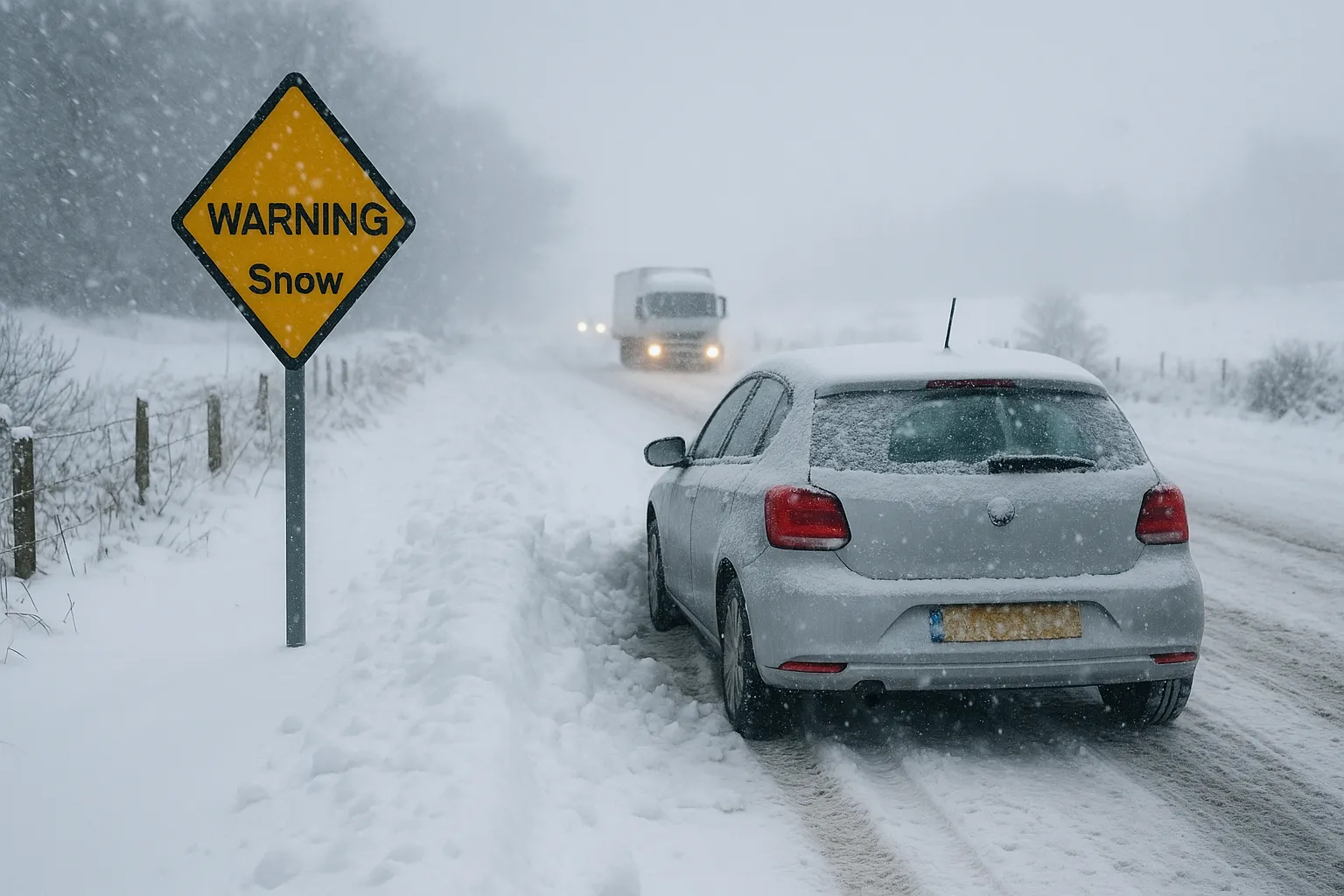
The amber warning regarding snowfall in Scotland will take effect at midday and continues until midday Saturday. This alert alerts residents to the possibility of hazardous conditions that may result in vehicles becoming stranded, particularly in rural areas, as well as the potential isolation of communities. Additionally, cancellations of rail and air services may occur due to the severe weather forecasted. The areas particularly highlighted by this warning include Angus, Perth and Kinross, Grampian, Aberdeenshire, Moray, and various regions within the Highlands.
Throughout Friday, snow showers are expected to intensify, with the Met Office predicting snow accumulations of between 10-20 centimetres in lower elevation zones and 30-40 centimetres on higher ground, with the potential for blizzard conditions and snow drifting. Residents and travelers in affected regions are advised to prepare thoroughly before embarking on journeys. Essentials recommended for inclusion in vehicles include warm clothing, sufficient water, blankets, and an ice scraper.
In addition to the amber warning for snow, yellow warnings for snow and ice have been enacted across substantial parts of England, Northern Ireland, and Wales. These yellow alerts commenced at midnight on Thursday and are set to remain in effect until midday on Friday for England and Wales and until 10:00 GMT for Northern Ireland. The Met Office also noted that some areas could see snow depths reaching up to 5 centimetres, particularly in the elevated regions of north Wales, north-west England, and the north-west Midlands.
Alongside the snowfall warnings, the UK’s Health Security Agency (UKHSA) has issued amber cold health alerts across all of England, which will be active until 12:00 on 6 January. The alerts are a response to the anticipated drop in temperatures and the risk they pose to the health of vulnerable groups, particularly the elderly. The UKHSA cautioned that cold conditions may elevate the likelihood of health emergencies and warned that indoor temperatures in hospitals and care homes could fall below the thresholds deemed safe.
Concerns regarding the ability of individuals, particularly in vulnerable demographics, to maintain indoor temperatures at the advised level of 18 degrees Celsius were also raised by the agency. The implications of such weather can exacerbate existing health issues and increase the risk of mortality among susceptible populations.
In light of these warnings, Ch Supt Scott McCarren, who leads road policing for Police Scotland, emphasised road safety, urging individuals to assess the necessity of their journeys amidst inclement weather. “Our advice is to plan ahead and consider if your journey is really necessary during the bad weather or if it can be delayed until conditions improve,” he stated.
Members of the public are encouraged to stay informed regarding weather developments by consulting reliable forecasts. The BBC Weather website and app offer up-to-date information that may help in planning and decision-making during this severe weather period.
As the UK braces for challenging winter conditions, residents are reminded of the importance of staying warm, safe, and prepared. Local authorities and emergency services are on high alert and ready to respond to any incidents that may arise due to the adverse weather conditions, ensuring that communities remain informed and supported throughout this period of significant snowfall and cold weather.
In summary, with amber and yellow warnings now in effect, the UK is set to experience a significant weather event with widespread implications for travel and public health. The ability to adhere to safety advice and stay prepared will be critical as the country navigates this snowfall episode, which impacts not only day-to-day life but also carries important health considerations.
Our Thoughts
To mitigate the potential hazards associated with severe weather events as highlighted in the article, several key actions could have been taken. Firstly, organizations and individuals should enhance their winter preparedness plans in compliance with the Health and Safety at Work Act 1974 by ensuring appropriate risk assessments are conducted prior to adverse weather conditions. Employers should provide training and resources to staff regarding safe travel during winter months.
Additionally, regulated travel advisories could have been issued more assertively to urge non-essential travel to be postponed, particularly for vulnerable groups and those in remote areas, in line with the Management of Health and Safety at Work Regulations 1999.
Health and safety responsibilities extend to protecting the elderly and vulnerable populations from health risks associated with cold weather. Compliance with the Minimum Temperature in the Workplace (England) Regulations 1999 should be observed in care facilities to maintain a safe indoor environment.
Key lessons include the importance of communication and preparation for severe weather, with a focus on public awareness campaigns about the risks and necessary precautions to take during such conditions, potentially reducing health risks and travel disruptions.