













Story Highlight
– Sir Keir Starmer supports banning under-16s from social media.
– Government reconsiders age restrictions for child protection.
– Downing Street open to Conservative amendment proposal.
– Political momentum grows for tighter social media regulations.
– Concerns raised about potential negative effects of blanket bans.
Full Story
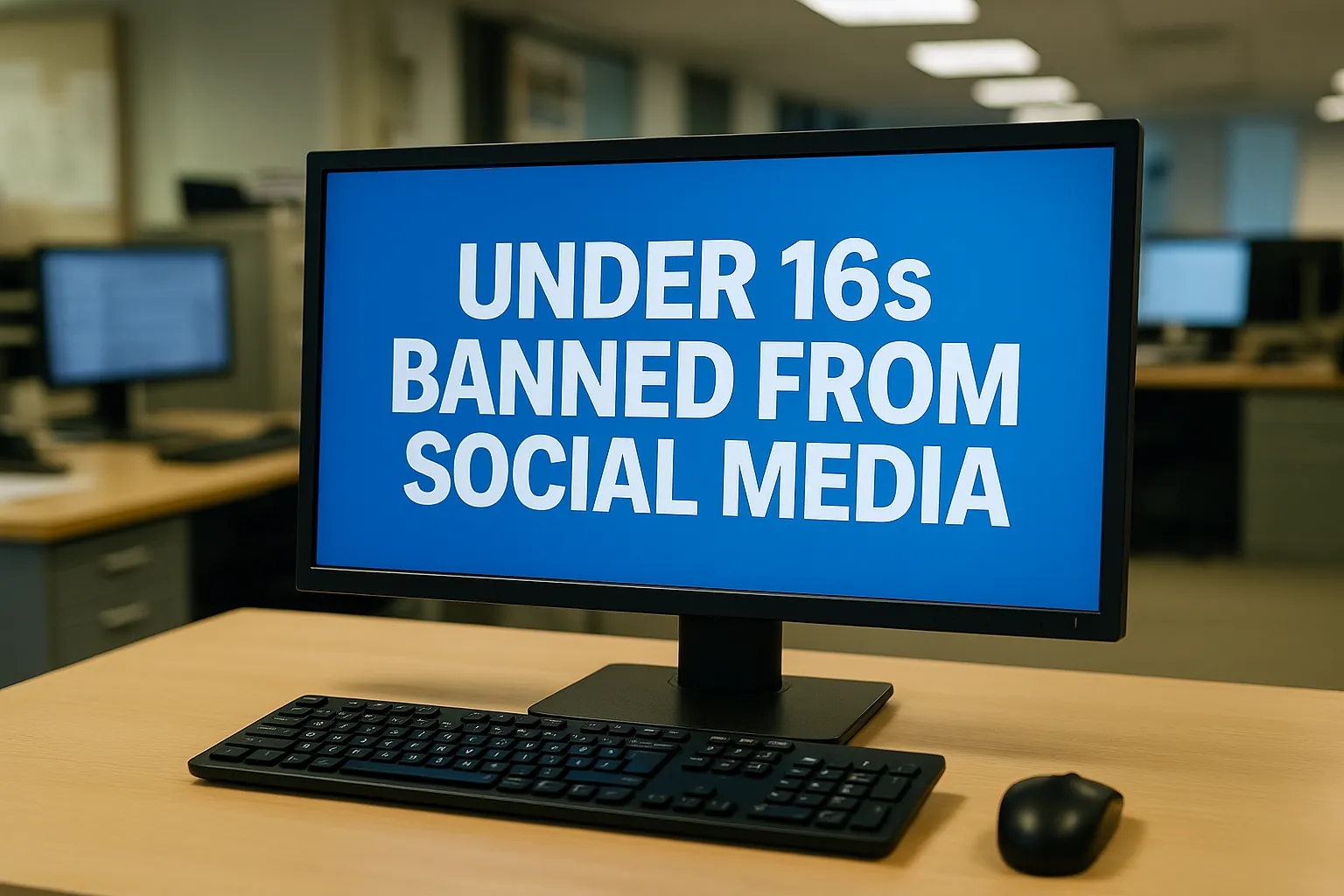
Sir Keir Starmer is poised to endorse legislation aimed at prohibiting social media access for children under the age of 16, marking a notable shift in the government’s strategy concerning online safety for young users. This development comes amid a growing recognition of the potential dangers posed by social media to minors.
Despite having previously expressed hesitance regarding a system similar to that in Australia, the Prime Minister has revised his viewpoint. This change reflects a broader reassessment of the government’s stance on child protection in the digital age, as Starmer has recently acknowledged the need for more stringent safeguards for children using social media platforms. He stated on Thursday that measures to enhance the protection of minors are essential, with the government currently investigating Australia’s approach and remaining receptive to implementing age-based limitations.
The government has also suggested it will allow an upcoming Conservative amendment to the Children’s Wellbeing and Schools Bill to proceed unimpeded. This amendment, which is set to be debated next week, aims to legally require social media companies to deny access to individuals below 16. Sources close to Downing Street have indicated that discussions around this issue have reached the highest echelons of government, suggesting that a significant number of MPs would likely support a ban if the matter were presented for a free vote. Public sentiment appears to be increasingly in favour of tougher regulations.
Political support for such measures is gaining momentum. Conservative leader Kemi Badenoch affirmed last weekend that her party intends to implement a social media ban for those under 16 should they regain power. Furthermore, Greater Manchester mayor Andy Burnham has openly endorsed stricter regulations for social media usage among young people.
Health Secretary Wes Streeting has also called for government action, cautioning that social media usage has escalated without a clear understanding of its repercussions on children and adolescents. Advocates for the proposed ban argue that it could mitigate various harms, including mental health declines and exposure to extremist content online. Jonathan Hall KC, appointed as the independent reviewer of terrorism legislation, has underscored that age restrictions might play a pivotal role in preventing a new wave of teenagers from being lured into radical online spaces.
The initiative aligns the UK more closely with Australia, where Prime Minister Anthony Albanese enacted pioneering legislation prohibiting under-16s from accessing major social media platforms such as Facebook, Instagram, TikTok, Snapchat, and X. Within the framework of the Australian law, social media companies are subject to severe financial penalties, up to A$49.5 million (approximately £25 million), if they fail to implement adequate measures—such as age verification or facial recognition—to avoid underage access.
In the UK, a campaign organised by the group Smartphone Free Childhood has gained traction, with over 100,000 letters sent to MPs advocating for a social media ban for younger users. The shifting position of the government on this matter is also illustrated by recent personnel changes. Josh MacAlister, an advocate for mobile phone bans in educational settings, has been appointed as children’s minister, while Gregor Poynton, a supporter of measures akin to those in Australia, has transitioned to assistant chief whip. Additionally, Technology Secretary Liz Kendall is perceived within Westminster as generally more insistent on online safety compared to her predecessor.
While supporters of the ban assert that it could alleviate various dangers to children, including issues of mental health and radicalisation, some organisations view the proposal skeptically. The NSPCC and the Molly Rose Foundation have cautioned against a blanket ban, suggesting that such measures could inadvertently lead children to less regulated online environments or encourage harmful behaviours to become clandestine.
Andy Burrows, chief executive of the Molly Rose Foundation, articulated concerns that unqualified prohibitions might end up “causing more harm than good” unless proper regulations regarding platform design and content are enforced concurrently.
Starmer had previously aired his reservations about an outright ban, suggesting in late 2022 that addressing harmful content more effectively might be preferable. However, as cross-party support intensifies and public opinion begins to sway, he now seems prepared to advocate for more assertive measures.
Should the amendment secure passage within the House of Lords next week, it will subsequently be presented to Members of Parliament in the Commons. This could herald one of the most consequential reforms in the UK’s regulatory landscape related to digital technologies and social media management to date.
Our Thoughts
The article highlights a significant shift in the UK government’s approach to online child protection, particularly concerning social media access for under-16s. To prevent vulnerabilities that arise from children’s access to social media, stricter regulatory measures could have been implemented sooner, reflecting the need for a proactive stance under the Health and Safety at Work Act 1974, which mandates a duty of care in protecting vulnerable individuals.
Key lessons include the necessity for robust age verification systems to prevent underage access, which aligns with the requirements outlined in regulations concerning the welfare of children. Current gaps in the online safety framework suggest a breach of the Children Act 1989, which obligates authorities to safeguard children’s wellbeing.
Implementing mandatory age restrictions similar to those in Australia could mitigate mental health risks and exposure to harmful content. It is imperative to ensure that any restrictions are not only reactive but also preventative, fostering a safer online environment. A comprehensive approach that combines regulation, platform accountability, and continuous monitoring is essential to avoid similar incidents and uphold children’s safety in digital spaces.