











Story Highlight
– Low-level gas leaks are common and underreported in Europe.
– Benzene detected in all UK, Netherlands, Italy gas samples.
– UK gas contains 37 times more benzene than North America.
– 9% of homes exceed national benzene exposure limits.
– Major leaks could expose thousands to hazardous benzene levels.
Full Story
A recently published study in the journal Environmental Research Letters highlights a significant issue regarding low-level gas leaks, suggesting that the extent of dangerous leaks across Europe may not be fully understood. The research raises concerns about the potential health risks associated with chronic exposure to hazardous substances found in domestic gas supplies.
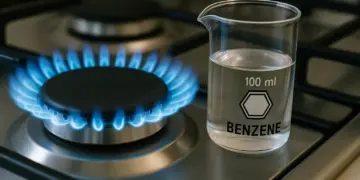
In a detailed analysis, researchers gathered and examined 72 gas samples from homes in the UK, the Netherlands, and Italy. Alarmingly, they found that benzene, a toxic chemical associated with various health issues, was present in every sample tested. Dr Tamara Sparks, the study’s lead author and an air quality scientist affiliated with PSE Healthy Energy, expressed surprise at the elevated levels of benzene discovered, stating, “We were surprised by how high the benzene levels were compared to what we’ve seen in previous studies.”
The findings indicate that many individuals may be unknowingly exposed to significant concentrations of benzene, which is known for its association with increased health risks. Dr Sparks further explained, “Given these concentrations, many people could be chronically exposed to benzene without realising it.” The inconsistency in the presence of gas leaks across different homes makes this an unpredictable hazard. “We have little clarity on why gas leaks occur in some homes and not others, making this hazard something of a lottery,” she added.
Benzene is a natural component of crude oil and is found in gas fields, and according to the World Health Organization (WHO), there is no safe level of exposure to this chemical. The study’s results were particularly striking when comparing the quality of gas in the UK to that of North America. The researchers noted that gas supplied in the UK contained, on average, 37 times the amount of benzene found in typical North American gas.
Geographic variations were also evident in the research. London exhibited benzene levels 64 times greater than the North American baseline, while St Neots had levels 42 times higher, Manchester recorded 23 times higher levels, and Edinburgh was 16 times higher. These variations suggest a significant regional discrepancy in gas quality, raising questions about the implications for public health.
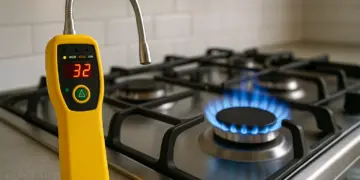
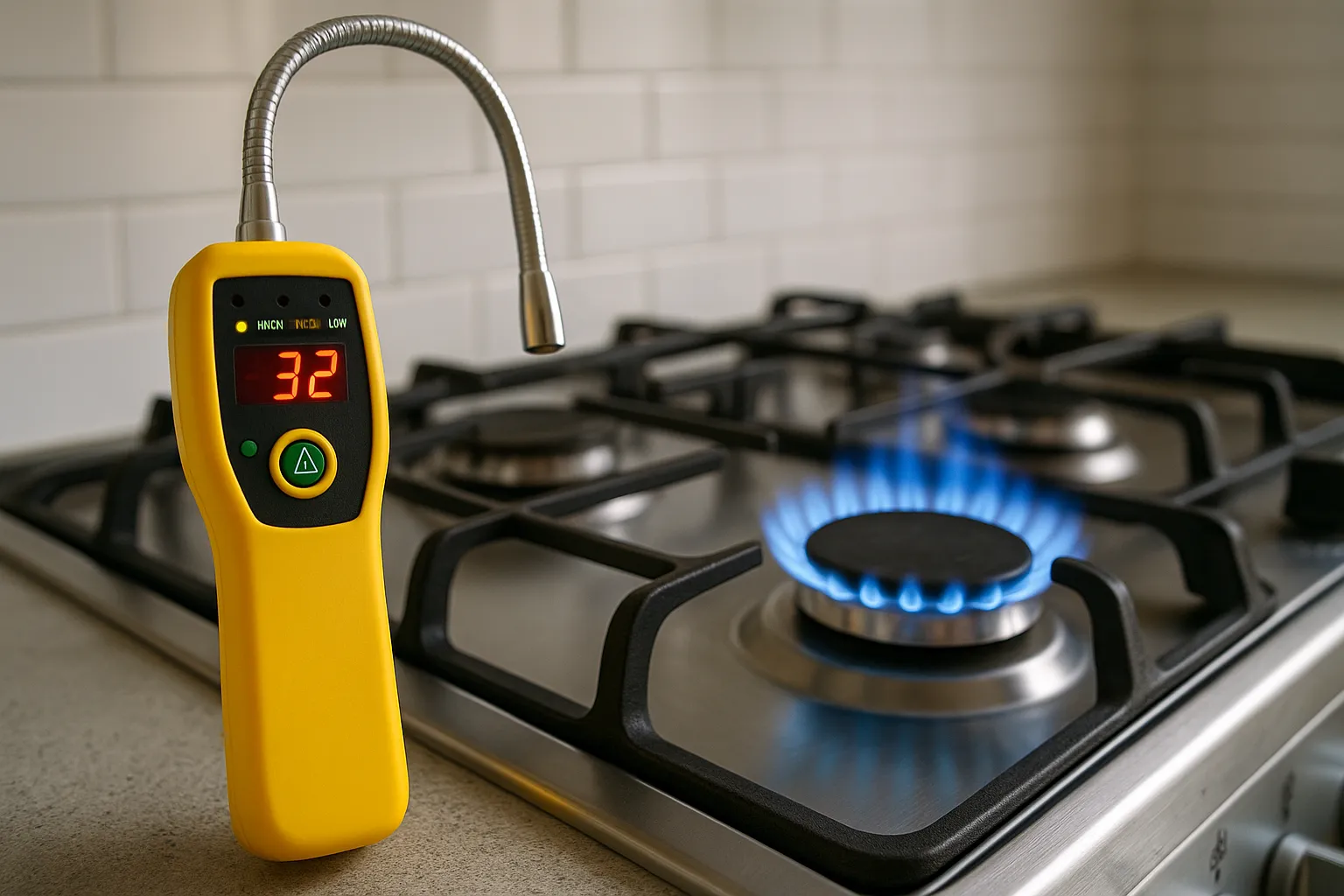
The research team evaluated gas cookers that were not in use and identified leaks in approximately 40% of the kitchens surveyed across the trio of nations involved in the study. This finding led to further alarming conclusions; when combining data on gas leaks with the concentrations of benzene found, the researchers estimated that around 9% of the homes surveyed had leaks that exceeded national safety limits, while 14% surpassed the more stringent lifetime exposure guideline set by the WHO.
Particularly concerning was the modelling conducted by the researchers which indicated that thousands of residents in Edinburgh might be exposed to benzene at levels that exceed recommended safety thresholds. Additionally, the study investigated a significant pipeline leak that occurred in the UK in 2023, which resulted in benzene concentrations peaking at four times the EU’s eight-hour worker safety limit within a close radius of 50 meters, with trace amounts detectable even up to 10 kilometers away. It is believed that this incident exposed tens of thousands of individuals in Cheltenham and Bishop’s Cleeve to harmful levels of benzene.
The authors of this study emphasise the urgent need for a comprehensive reevaluation of Europe’s dependency on natural gas in order to mitigate exposure to benzene and safeguard public health. The findings serve as a call to action for further investigation into the sources and monitoring of gas leaks to better protect communities.
Responding to the study, a spokesperson for Future Energy Networks remarked on their ongoing commitment to addressing safety concerns. “Steps are continually taken to mitigate risks, including investment in mains replacement and leakage reduction, operating a gas emergency service for reports both inside and outside properties, and working to strict gas quality specifications set by the Health and Safety Executive under the Gas Safety (Management) Regulations 1996. We will take time to consider the findings of this report in further detail,” the spokesperson said.
The organisation further noted that ongoing investments have successfully reduced gas leakage by approximately one-third across Britain’s gas distribution networks since 2013. This achievement has been realised through replacing outdated infrastructure, enhancing systems, implementing intelligent pressure controls, and deploying advanced leak detection tools, including vehicles, drones, and specialised equipment.
Despite current estimates suggesting that gas losses due to leaks remain under 0.5%, the sector aims to maintain a proactive approach. There are plans in place to continue efforts to reduce leakage in the coming years, with goal-setting planned for 2026 to 2031. As public awareness about the issue rises, the implications of this study could lead to increased scrutiny and further action within the gas industry, addressing the pressing need for enhanced safety and public health measures regarding gas supply.
Our Thoughts
The study highlights significant benzene exposure risks from gas leaks in the UK, suggesting non-compliance with Health and Safety at Work Act 1974 and the Gas Safety (Management) Regulations 1996. To prevent such incidents, better monitoring and reporting systems for gas leaks should be implemented, ensuring immediate remedial action is taken when leaks are detected.
Key safety lessons include the importance of continuous maintenance and proactive replacement of aging infrastructure to minimize leak potential, aligning with Regulation 36 of the Gas Safety (Installation and Use) Regulations 1998, which mandates safe installations. Enhanced public awareness campaigns could aid in early reporting of gas leaks, mitigating chronic exposure risks.
Moreover, more stringent adherence to WHO guidelines is necessary, given that several homes exceed both national and international exposure limits for benzene. Future energy networks must prioritize comprehensive risk assessments of their gas management systems, integrating advanced detection technologies to ensure compliance and safeguard public health, thereby reducing the likelihood of similar incidents in the future.