
















Story Highlight
– Swim 10k in May to raise funds for Cancer Research UK.
– Join Facebook group for tips and support; no entry fee.
– Track distance using Strava or Fitbit; waterproof devices recommended.
– Minimum age for participation is 18 years old.
– Raise at least £150 to earn a medal and certificate.
Full Story
**Swimming for a Cause: Taking Part in the Swim 10k Challenge**
As part of a coordinated effort to raise funds for cancer research, the Swim 10k Challenge invites participants to swim a total of 10,000 metres throughout May. This initiative not only encourages physical activity but also contributes to crucial funding for Cancer Research UK in its mission to combat cancer. Whether you’re an accomplished swimmer or just starting, there’s an opportunity to aid in life-saving research while challenging yourself this spring.
**Getting Started: How to Join**
Signing up for the Swim 10k Challenge is straightforward. Once you register, participants are encouraged to join the dedicated Facebook group to connect with fellow challengers. In this online community, you can access a host of resources: receive a complimentary Cancer Research UK swimming cap, gain motivation from others, and discover tips to manage your swimming distances effectively.
For those who prefer not to use Facebook, don’t worry. You can still participate by creating an online fundraising page on the Cancer Research UK website. While there’s no cost to join the challenge, participants are encouraged to collect sponsorship funds through their personal fundraising pages.
**Challenge Flexibility**
Though the event is themed around the month of May, participants have flexibility regarding when they complete their swims. Individuals can choose to start and finish at their convenience within the month. Whether you divide the total distance into manageable sessions of 2.5 kilometres each week or opt for shorter swims multiple times a week, the key is to enjoy the process while fundraising.
In practical terms, completing 10k can be broken down easily: for instance, 2.5k translates to either 100 lengths of a 25-metre pool or 50 lengths of a 50-metre pool. Thus, participants can strategise based on their local swimming venues.
**Health and Safety Reminders**
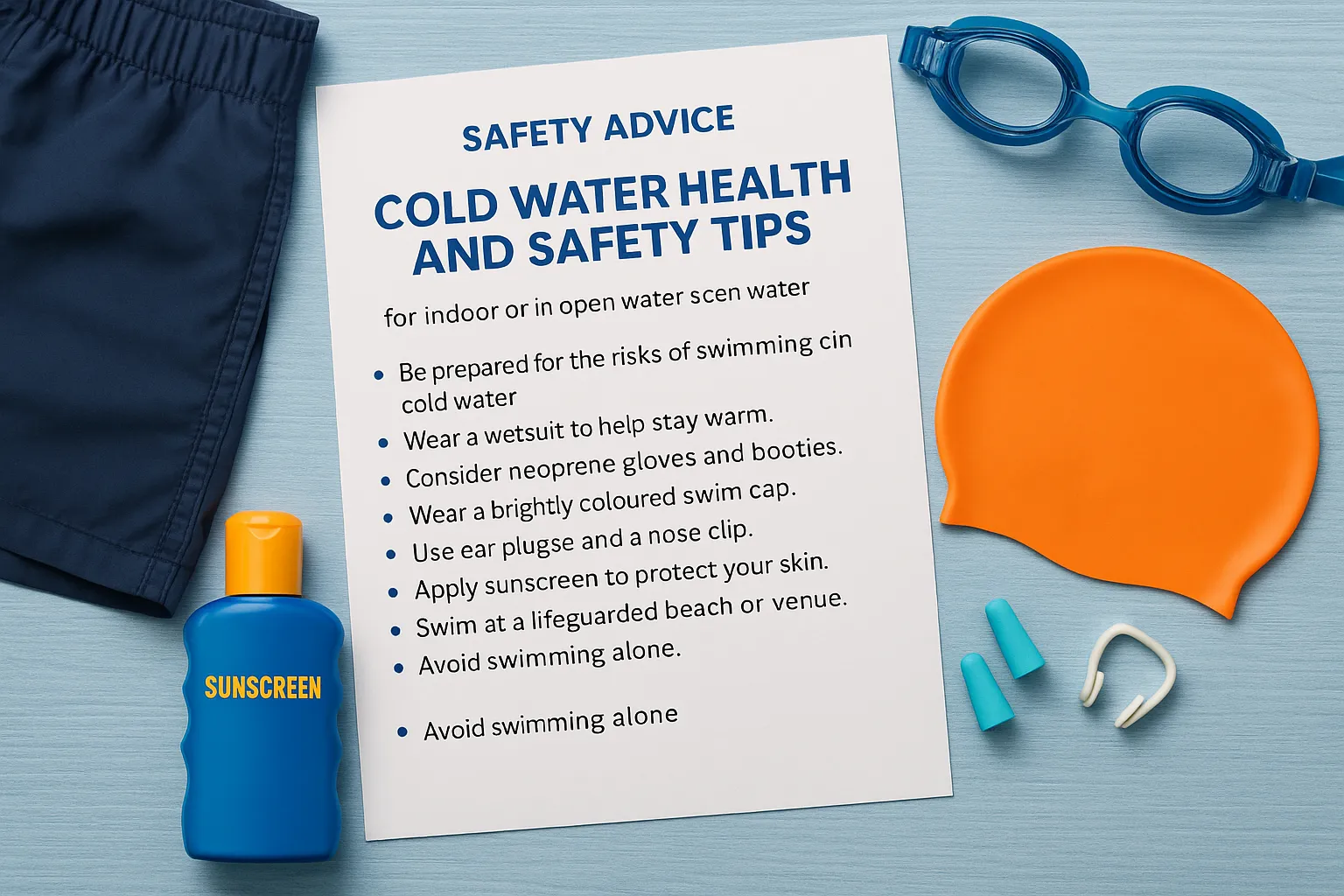
Safety is paramount, especially when swimming outdoors. It’s advisable to stay informed about sun protection. The Met Office provides a UV forecast that can help swimmers gauge when sunscreen application is necessary. It is recommended to use a high-factor sunscreen (SPF 15 or higher) and to apply it comprehensively to all visible skin before and after swimming.
When swimming outdoors, choosing appropriate attire is essential. A t-shirt worn over swimwear can help conserve body heat; likewise, neoprene wetsuits can provide buoyancy and warmth in cooler waters. Additionally, swimmers might consider using neoprene gloves and booties.
**Swim Environment Considerations**
It’s crucial to select safe swimming locations. Reservoirs, while often appealing, can present numerous dangers, including unpredictable depths, hidden machinery, and poor access to emergency services. Participants should avoid these sites entirely to ensure safety during their swims.
Only individuals aged 18 and over can register for this challenge, maintaining a standard that ensures the wellbeing of participants.
**Tracking Progress**
To effectively monitor your progress, consider using free smartphone applications such as Strava or Fitbit. These tools will not only help track the distance swum but also connect to your fundraising page, allowing supporters to celebrate your achievements collectively.
**Fundraising Enthusiasm**
Creating a successful fundraising strategy is a vital aspect of participating in the challenge. Every registered swimmer is provided with an online page designed for collecting donations. Though there is no mandated target, setting a goal of around £150 is a reasonable objective that will significantly help the organization’s research efforts.
To enhance fundraising potential, consider personalising your page with photographs and a compelling narrative about your motivations for participating. Kick-starting contributions with an initial donation from yourself often can motivate others to donate. Sharing updates about your challenge on social media platforms broadens outreach, encouraging friends and family to support your cause.
Encouragement from donations, no matter how small, can create considerable impacts. For reference, a modest donation of £3 can secure vital safety goggles for lab technicians working on innovative cancer research.
**Reaching New Heights: Setting Fundraising Goals**
Participants are encouraged to continually raise their fundraising targets once they reach their original goals. Studies indicate that fundraisers who elevate their targets can generate, on average, 51% more funds than those who don’t.
As a token of appreciation for their efforts, participants who successfully raise at least £150 will receive a medal commemorating their achievement—a tangible representation of their hard work and contributions to combating cancer.
**Additional Support and Closing Your Fundraising Page**
For questions regarding your fundraising page, numerous resources are available to assist. Should you wish to close your page while retaining online access, adjustments can be made through the settings on your page. Deletion of the page can also be facilitated through direct contact with the support team.
By uniting swimmers under this noble cause, the Swim 10k Challenge not only fosters a sense of community but significantly lightens the burden of cancer research through collective action. Interested participants can delve into further details and sign up at their convenience. The journey awaits as you dive in for a purpose greater than yourself.
Our Thoughts
The article outlines the Swim 10k in May Challenge, focusing mainly on participant engagement and safety tips. To enhance safety and potentially avoid incidents, better communication and clearer guidelines are essential. Key safety lessons include the importance of understanding swimming environments, particularly the hazards of outdoor swimming in reservoirs. Adherence to Health and Safety at Work Act 1974 requires that operations consider the health and safety of participants, emphasizing risk assessment in open water environments.
Relevant safety measures, such as providing clearer warnings about the dangers of swimming in unauthorized or hazardous areas, and ensuring participants are equipped with appropriate gear, are crucial. Additionally, failing to provide adequate safety information could constitute a breach of the Management of Health and Safety at Work Regulations 1999 if risk assessments were not thoroughly conducted.
To prevent similar incidents, organizations should enforce strict guidelines for swimming locations, supply safety briefings prior to the challenge, and ensure that participants have access to emergency support such as lifeguard services at open water events. Consistent training on health and safety regulations for event organizers can further mitigate risks.