











Story Highlight
– Damp and mould pose significant health risks.
– Vulnerable groups include children and older adults.
– Housing providers must proactively identify damp and mould.
– Technology aids in monitoring and assessing property risks.
– Staff training is crucial for effective risk assessment.
Full Story
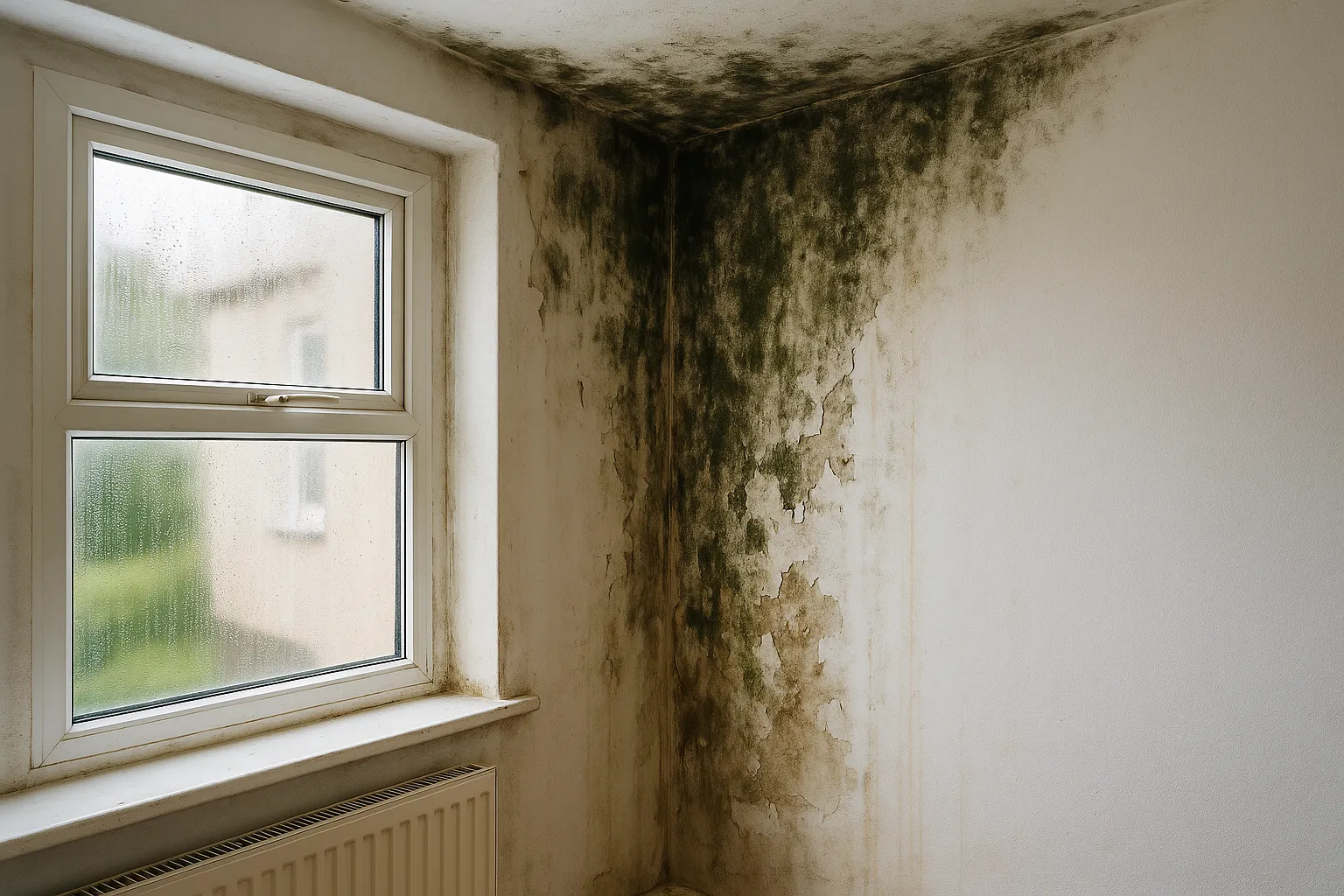
Dampness and mould are significant health threats that can adversely affect the respiratory system, vision, and skin, potentially leading to severe health complications and, in extreme instances, fatalities. This critical issue gained heightened attention following the tragic case of Awaab Ishak, a young boy whose death prompted the establishment of Awaab’s Law. Beyond the physical ramifications, living conditions plagued by damp and mould can also severely impact mental well-being.
While these conditions can pose a danger to anyone, certain populations are particularly susceptible to the more severe consequences. Individuals with pre-existing health issues, the elderly, and young children are identified as being at greater risk. Consequently, it is essential for housing providers to engage in proactive measures to understand and address these health hazards within their properties and among their tenants.
For social landlords, recognising the presence of damp and mould is crucial. This involves conducting comprehensive stock condition surveys and focusing on properties that are deemed to be at elevated risk. Research conducted by PfP reveals that homes rated in Energy Performance Certificate Band D or lower are over twice as likely to suffer from damp and mould issues. Additionally, properties that have previously experienced these problems are more likely to be affected again.
To address these challenges effectively, landlords like PfP are integrating technology into their assessment processes. For example, installing temperature and humidity monitoring devices in susceptible properties allows for continuous data collection, helping to identify potential dampness issues early on. When risks are detected, PfP reaches out to tenants for feedback and arranges follow-up surveys.
However, the complexities of understanding a property’s condition extend beyond mere data collection. Each tenant possesses unique circumstances, and their interaction with housing providers varies widely. While some residents are proactive in communicating their concerns, others may not feel comfortable reaching out or may hesitate to allow surveys in their homes. To foster better relationships and communication, PfP has instilled a ‘don’t-walk-by’ philosophy among its staff, emphasising the importance of attentive engagement with tenants.
As part of their initiative, PfP assigns community housing managers smaller areas to oversee, enabling more regular contact and visits to residents. They also implement a routine of Healthy Homes checks alongside obligatory gas safety inspections. These checks are designed to identify necessary repairs and ensure that residences remain safe, warm, and devoid of dampness or mould. Photographic documentation during these inspections allows for comprehensive feedback to surveyors, streamlining repair processes. Staff at PfP’s contact centre are specially trained to prioritise reports of damp and mould, ensuring these issues are directed to the correct teams promptly.
In a bid to enhance their understanding of housing conditions, PfP recently introduced customer conditions surveys. These surveys are distributed via email or social media, inviting tenants to voice their concerns and share photographic evidence of issues within their homes. Furthermore, PfP follows up with video consultations to delve deeper into residents’ needs and identify required repairs essential for maintaining a healthy living environment.
Training staff is equally vital in the ongoing effort to mitigate the health risks posed by dampness and mould, in accordance with the requirements established by Awaab’s Law. Housing organisations must ensure that their employees are well-informed about the implications of these issues and are equipped to address them comprehensively during every interaction with tenants. This commitment to training not only promotes awareness but also empowers staff to take meaningful action in safeguarding the health and well-being of residents.
Through these multidimensional strategies, housing providers are better equipped to combat the dangers of damp and mould, ultimately fostering safer and healthier living conditions for all tenants. The onus remains on social landlords to be diligent, ensuring that all residents are informed, supported, and heard in their quest for improved housing standards.




Absolutely agree. Damp and mould are not just property issues but public health risks that need urgent, consistent action. Providers should routinely inspect and record environmental conditions, use sensible technology to flag problems early, and ensure staff are trained to recognise and respond to signs of mould and poor ventilation. Tenants must be kept informed and supported to report concerns without fear of reprisal, and repairs should be timely and effective. Prioritising these measures will reduce harm, protect vulnerable residents and help rebuild trust between tenants and providers.
Absolutely. Prioritising early detection and prompt remediation of damp and mould is vital to protect tenants health, especially the most vulnerable. Routine inspections supported by environmental monitoring, clear reporting routes for residents and thorough training for staff will reduce risk and improve outcomes. Providers must act quickly on issues raised by tenants and ensure repairs and long term fixes are completed rather than deferred. Accountability and transparent communication build trust and help prevent avoidable harm.
This is an important and urgent issue. Damp and mould are more than maintenance concerns; they directly affect respiratory health and long term wellbeing. Social housing providers need clear, proactive strategies: regular inspections focused on moisture sources, timely repairs to building fabric and ventilation, and use of affordable monitoring to spot problems early. Training for staff should cover identification of risks, how to have constructive conversations with tenants, and referral pathways for health or housing support. Tenants must be treated as partners in prevention with accessible information and prompt responses to reports. Prioritising these actions will reduce harm and restore trust after tragedies like Awaab Ishak.
Damp and mould are preventable hazards that need urgent action from housing providers. Regular inspections and timely repairs are essential, as is training staff to spot early signs and understand health implications. Using monitoring tools can help target interventions, but they must be paired with clear resident engagement so tenants feel able to report problems and understand remedies. Prioritising repairs, improving ventilation and addressing structural causes will reduce health risks, especially for children and older people.