
















Story Highlight
– Toddler Noah Sibanda suffocated during naptime at nursery.
– Nursery worker physically restrained him face down with blankets.
– Fairytales Day Nursery closed following the incident in 2022.
– Nursery admitted corporate manslaughter; staff members pleaded guilty.
– Case highlights serious risks of negligent childcare practices.
Full Story
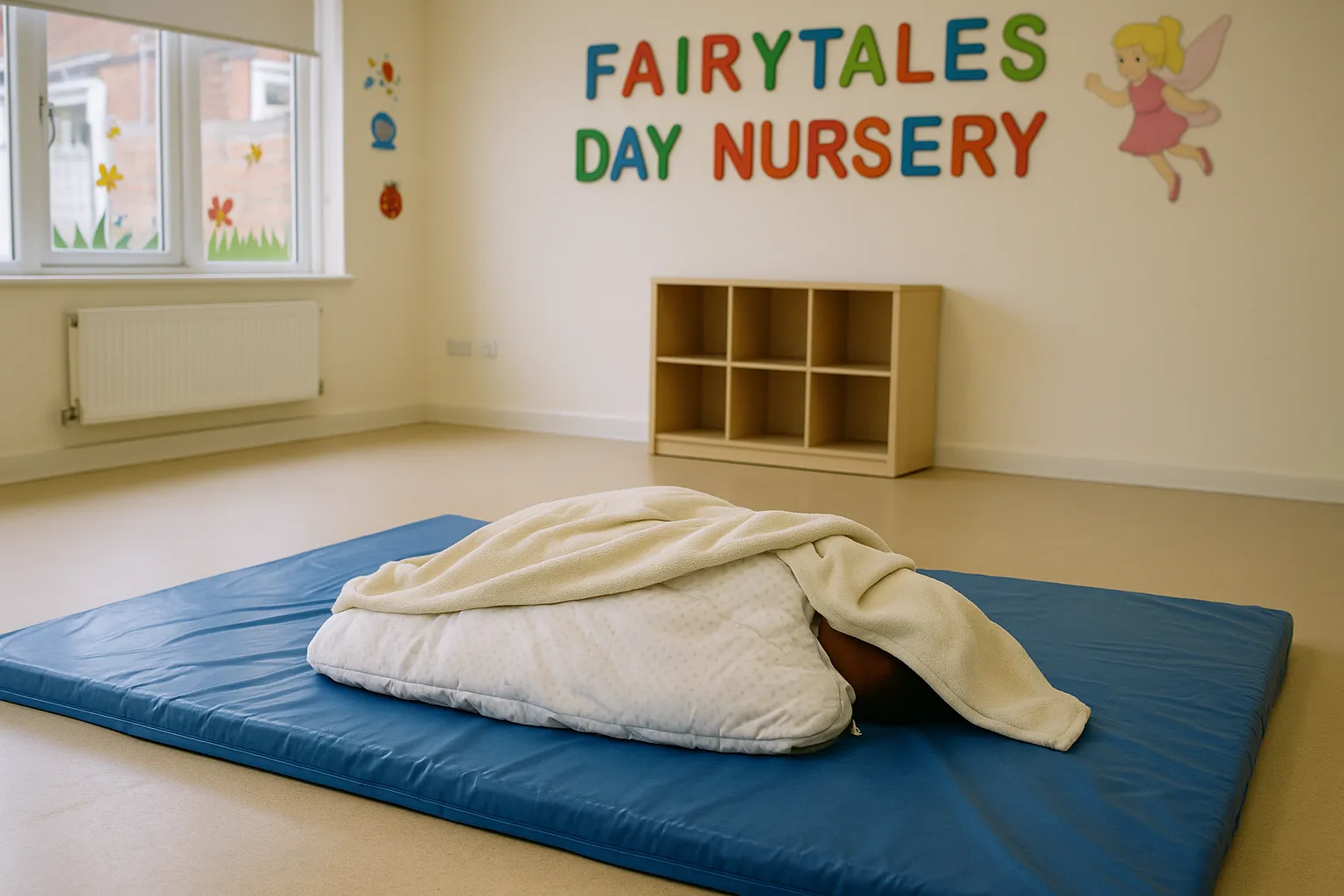
A tragic incident at a nursery in Dudley has led to the death of a 14-month-old toddler, Noah Sibanda, raising serious concerns about safety practices in childcare settings. The case has garnered significant attention after prosecutors revealed the circumstances surrounding Noah’s death, which occurred on December 9, 2022, at Fairytales Day Nursery.
The prosecution has detailed that Noah tragically suffocated while being put down for a nap. Prior to the incident, he was found “tightly wrapped” in a sleeping bag and had been physically restrained face down on a cushion with a blanket placed over his head. A nursery worker was reported to have used her leg to hold Noah in this position while attempting to settle him, which intensified the danger of suffocation. This inappropriate sleeping method severely impeded his ability to breathe and move, ultimately leading to his death.
Following an investigation, Fairytales Day Nursery Limited has accepted corporate responsibility for Noah’s death, having pleaded guilty to corporate manslaughter alongside violations of the Health and Safety at Work Act. The nursery was permanently closed after inspections in April 2023 conducted by Ofsted, highlighting that the environment was unsafe for children.
Two individuals associated with the nursery have also pleaded guilty in relation to the case. Deborah Latewood, the director and owner, admitted to a Health and Safety at Work Act offence, acknowledging that while she was unaware of the dangerous sleeping practices, she should have been cognisant of the procedures in place. In a more serious turn, nursery worker Kimberley Cookson has pleaded guilty to gross negligence manslaughter stemming from her actions in settling Noah down for sleep.
The details unveiled by the Crown Prosecution Service (CPS) underline the gravity of the offence. CCTV footage from the nursery captured the alarming scene of Noah being laid face down, tightly swaddled, with a blanket obstructing his breathing. Cookson’s actions suggest an attempt to force sleep upon Noah who was evidently resisting, a practice that while intended to be comforting resulted in a fatal outcome. It was not until some time had passed that staff realised Noah was not breathing, after which emergency services were summoned. Unfortunately, he was pronounced dead upon arrival at the hospital.
Formal sentencing for both Cookson and Latewood, alongside the nursery, is scheduled to take place at Wolverhampton Crown Court on April 16, 2024. The case has evoked responses from legal officials, with Alex Johnson, a senior specialist prosecutor, describing the anguish surrounding the incident. He remarked, “This case has been deeply distressing and represents every parent’s worst nightmare whenever they leave their young child at a nursery. Noah should have been safe in the care of professionals entrusted with his well-being.”
The prosecutors determined that the methods employed to settle Noah posed an evident and serious threat to his safety. The evidence collected, which included expert medical opinions and the damning CCTV footage, established that Noah was placed to sleep in a manner that compromised his breathing and movement. The prosecution argued that these procedures effectively created an environment in which the toddler could not escape suffocation.
The ramifications of this incident emphasize the critical responsibilities nursery providers hold in ensuring the safety of the children in their care. The failures in oversight that led to Noah’s untimely death have raised alarm about the adequacy of training and adherence to safety protocols within childcare establishments. This case underscores the essential need for stringent regulations and continuous monitoring of childcare practices to prevent such tragedies from reoccurring.
As for the parents and family of Noah, they have faced an unimaginable loss. Their grief has been compounded by the knowledge that an environment meant to nurture and protect their child instead contributed to his demise. The impact of this incident goes beyond one family— it resonates throughout the community, sparking discussions about the crucial importance of vigilant care and the potentially dire consequences when standards fall short.
Noah’s tragic passing has prompted a broader dialogue about nursery practices, raising awareness and the pressing need for reform within the sector. The hope is that this case will serve as a catalyst for change, ensuring that all child-care providers implement and uphold the highest safety standards, thereby safeguarding the well-being of children entrusted to their care.
In the wake of this heart-wrenching incident, advocates for child safety continue to push for reforms and more rigorous regulations to help prevent such heartbreaking scenarios in the future. The regulatory bodies and child welfare organisations are under immense pressure to ensure that the systemic failings highlighted in this case are addressed immediately, fostering an environment where the safety and health of children remain paramount.
Our Thoughts
The tragic incident at Fairytales Day Nursery highlights serious breaches of UK health and safety legislation, particularly the Health and Safety at Work Act 1974, which mandates that employers ensure the health and safety of employees and those affected by their work. Key safety lessons include the critical need for effective training and supervision of nursery staff regarding safe sleeping practices for infants. Staff should have been trained to avoid using dangerous restraint methods and ensuring that sleeping arrangements do not compromise breathing or mobility.
To prevent similar incidents, nurseries should implement robust health and safety management systems, including regular risk assessments and staff training updates. Establishing clear policies on safe sleeping procedures is essential. Additionally, regular monitoring and audits by management would help ensure compliance with safety standards. Proper communication between staff about child welfare and maintaining a culture of safety can further reduce risks. Enhanced oversight by regulatory bodies could also contribute to safeguarding children in such environments.