

















Story Highlight
– Tug Biter capsized during cruise ship assistance, February 24, 2023.
– Two crew members drowned; bodies retrieved the next day.
– MAIB safety bulletin highlights critical safety failures identified.
– Report emphasizes communication and training issues among crews.
– Graphic footage included despite potential distress for viewers.
Full Story
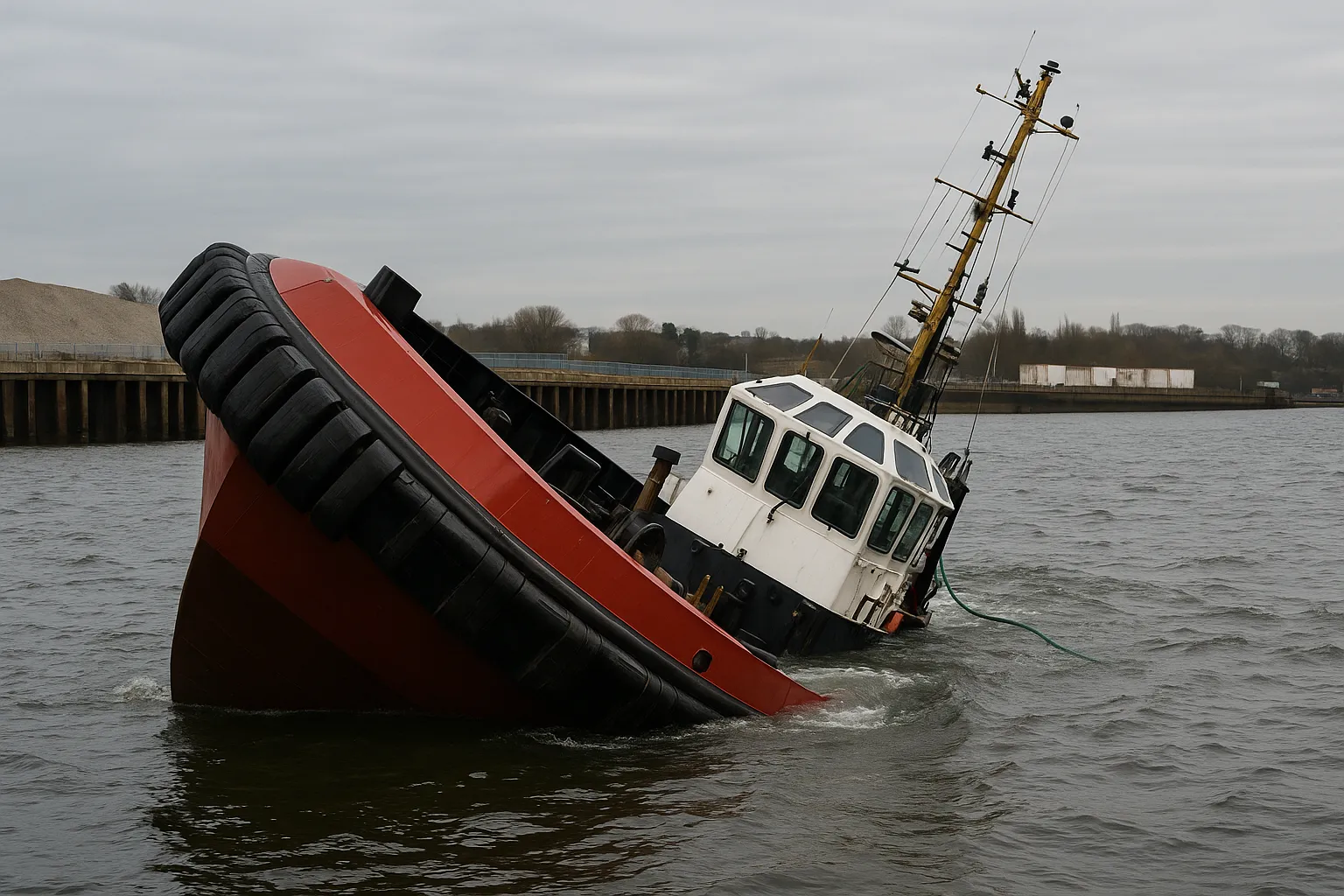
The Marine Accident Investigation Branch (MAIB) has released a safety bulletin video that includes distressing footage from the tragic incident involving the Clyde Marine Services tug Biter, which capsized while assisting the cruise ship Hebridean Princess on February 24, 2023. The accident, which led to the deaths of George Taft, 65, from Greenock, and Ian Catterson, aged 73, from Millport, has raised significant safety concerns within the maritime industry.
On the day of the incident, the tug was engaged in operations as the Hebridean Princess approached the James Watt Dock when it suddenly overturned at approximately 3:27 PM. Efforts to rescue the two crew members were ineffective, as the tug sank entirely within 35 minutes. The bodies of both men were tragically recovered the following day.
The MAIB has cautioned viewers that the forthcoming images in the video may be disturbing, yet it has not provided explicit warnings regarding the graphic nature of the footage depicting the actual moment of the tug’s capsize. The disturbing content has reportedly not been shared by some media outlets, highlighting concerns regarding sensitivity to the victims’ families and the broader implications for public viewing of such distressing material.
In their summary accompanying the safety bulletin, published on Thursday, the MAIB outlined the necessity of this video, noting it was developed at the request of the maritime industry to address critical safety issues identified during the investigation into the incident. The report provided insight into the failure of several safety protocols that were designed to protect those aboard the Biter.
The chief inspector of marine accidents has described the capsize as a “cruel lesson” in the importance of adherence to safety practices. In a November 2024 report, the MAIB not only elucidated the failures that resulted in this tragedy but also recommended changes to be implemented by the tug’s owners, Clydeport Operations Limited, along with various professional associations connected to the maritime industry.
Significantly, the investigation highlighted shortcomings in the training provided to marine pilots, which failed to equip them adequately for working with conventional tugboats. Furthermore, the communication between the vessel’s master, the pilot, and the tug masters was found to be inadequate, ultimately leading to a lack of mutual understanding regarding the operation plans.
Crucially, the report indicated that the speed of the Hebridean Princess placed undue stress on the tug’s lines, which likely caused the failure of the gob rope—a safety rigging intended to prevent capsizing. Additional findings revealed that the tug’s watertight integrity was compromised by an open hatch, which severely diminished the crew’s chances for survival during the emergency.
The MAIB’s latest safety bulletin emphasizes the need for detailed operational plans among all parties involved in towing operations, particularly highlighting the importance of fully understanding the implications of increased speed on towing lines. It also underscores the necessity of ensuring that all rigging, including the gob rope, is secured properly and that all doors and hatches are sealed during towing maneuvers.
Captain Andrew Moll OBE, chief inspector of marine accidents, noted the ongoing concern surrounding the safety of conventional tugs, referencing a troubling trend, with the capsize of the Biter marking the eighth incident of its kind since 1998, resulting in a total of nine fatalities. The safety bulletin aims to disseminate key lessons learned from this incident to the maritime industry, making it a vital resource for improving safety practices.
Recommendations resulting from the investigation have been forwarded to key maritime organisations, including the UK Chamber of Shipping, the British Tugowners Association, and the UK Maritime Pilots’ Association. The aim is for these bodies to understand and communicate the critical safety measures to their members effectively. Furthermore, recipients of the bulletin have been asked to inform the chief inspector of the steps taken to enhance safety across operations.
Despite the essential nature of the information presented in the safety bulletin, some commentators have voiced concern over the inclusion of the graphic footage, arguing that it adds little value to the safety message and could potentially cause further distress to the families of the victims. The decision to feature the footage raises ethical questions regarding the representation of tragedy in educational materials.
The MAIB’s intentions, as stated, are to promote awareness of the significant safety issues that have emerged from the Biter incident, though the method of delivery—including the disturbing footage—has polarized opinions in the media and among observers. It remains crucial for the maritime industry and regulatory bodies to critically assess such decisions moving forward to ensure that the focus remains on preventing future tragedies while respecting the sensitivities of those affected.
In conclusion, as the maritime community processes the implications of the Biter tragedy, it is evident that comprehensive safety measures and effective communication protocols must be paramount in preventing further loss of life. The MAIB’s recent actions reflect a commitment to addressing these issues, even as they navigate the delicate balance between education and sensitivity in recounting such a harrowing event.
Our Thoughts
The tragic capsizing of the tug Biter underscores significant failings in safety protocols. To prevent such incidents, several measures could have been implemented, including improved training for marine pilots in handling conventional tugs, ensuring that they are equipped with robust communication skills for clear exchanges with tug masters.
The MAIB report highlighted the failure to establish a collective operational plan among all crew members, which reflects a breach of the Merchant Shipping and Fishing Vessels (Health and Safety at Work) Regulations 1997, particularly concerning shared understanding and safety practices during operations.
Maintaining watertight integrity is critical; thus, ensuring that hatches and doors are secured during operations should have been strictly enforced, aligning with the relevant codes of practice for vessel operation. Furthermore, training should emphasize the risks associated with increased towing speed and its potential impact on vessel stability.
In summary, enhancing training, communication, and adherence to safety protocols could significantly reduce the likelihood of similar incidents occurring in the future.