

















Story Highlight
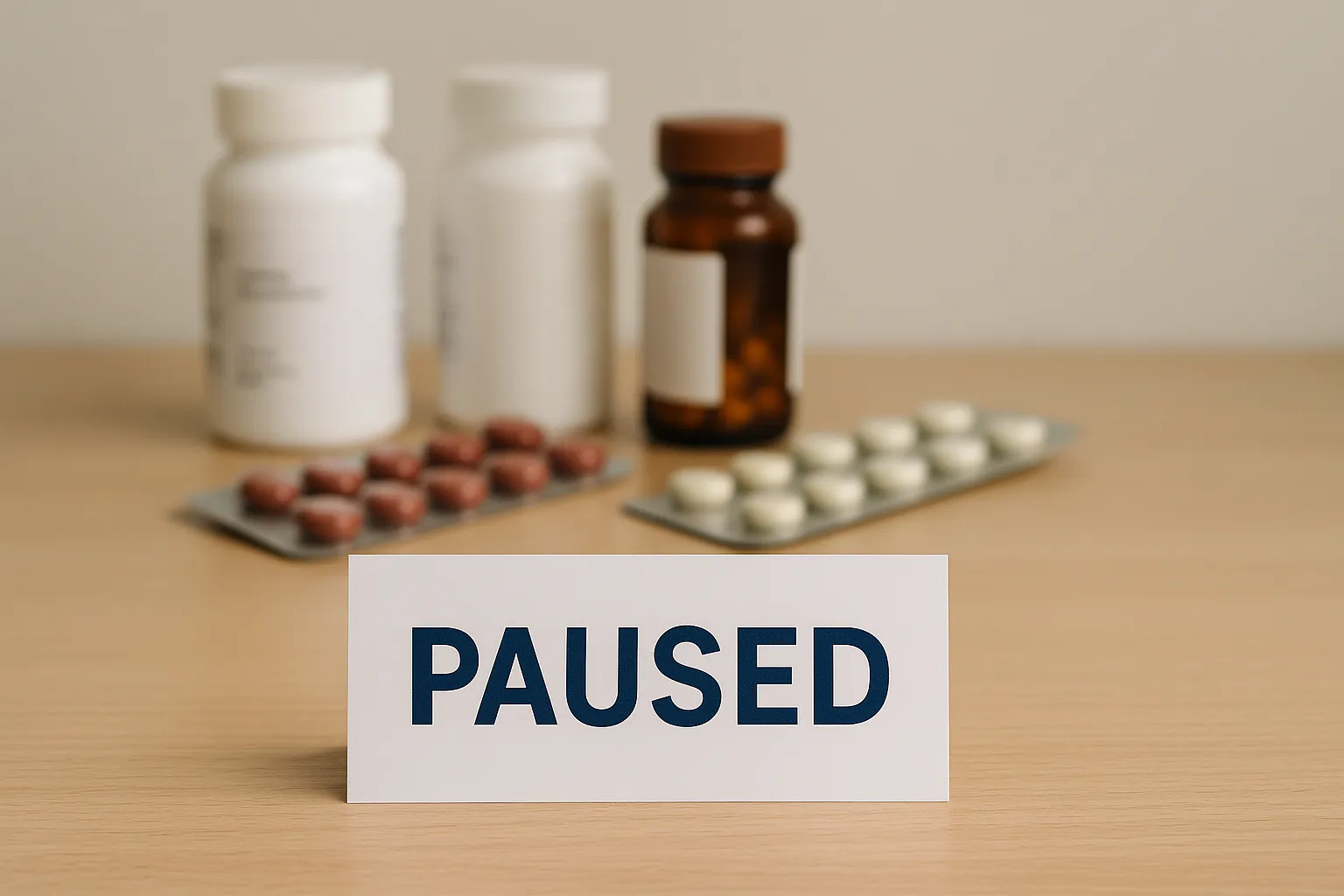
– Clinical trial for puberty blockers paused due to safety concerns.
– MHRA recommends setting minimum age limit at 14.
– Trial recruitment halted until issues with MHRA are resolved.
– Controversy sparked by opposition from public figures, including JK Rowling.
– King’s College London prioritizes wellbeing amidst ongoing review.
Full Story
A significant pause has been announced for a clinical trial involving puberty blockers in young individuals, following advisory concerns from the Medicines and Healthcare products Regulatory Agency (MHRA). The agency recommended that participants in the trial should be at least 14 years old, citing the “unquantified risk” of possible long-term biological harm associated with the use of these medications.
The MHRA’s announcement necessitated a reassessment of the trial’s parameters and safety measures, with discussions scheduled for next week between the regulatory body and King’s College London, the trial’s sponsor. Officials confirmed that recruitment for participants will remain on hold until these discussions yield a resolution regarding the safety and wellbeing of the youth involved.
The announcement has intensified scrutiny on the trial, which has already drawn considerable criticism and led to legal challenges against the government. Notably, these objections have been articulated by various public figures, including author J.K. Rowling, who has been a vocal opponent of initiatives aimed at broadening transgender rights in the UK. Rowling referred to the trial as “an unethical experiment on children who can’t give meaningful consent,” a sentiment echoed by others concerned about the implications of the research.
In response to the MHRA’s recommendations, a spokesperson for the Department of Health and Social Care reiterated the government’s commitment to prioritising the safety of minors involved in the trial. The spokesperson stated: “We have always been clear about the red lines regarding this trial – ensuring the safety and wellbeing of the children and young people involved and always being led by the clinical evidence.”
In light of the MHRA’s recent concerns, the health secretary, Wes Streeting, stated that while evaluating the viability of the trial, all findings will be scrutinised by medical professionals. He emphasised that the trial will only proceed when it is deemed both safe and necessary.
The initiative to commence the trial arose from recommendations by Baroness Hilary Cass, whose review highlighted the need for further evidence regarding the efficacy of puberty blockers for children experiencing gender dysphoria. The Cass Review noted that the existing body of research outlining the benefits of such treatments was insufficiently robust. According to Baroness Cass, while the evidence base is weak, the strong beliefs held by many clinicians, children, and their families regarding the potential benefits necessitated further investigation through clinical trials.
Originally, the plan was to include approximately 226 participants aged between 10 and 15 years in the trial. However, concerns about the appropriateness of the age criteria have raised doubts about the recruitment process. A letter from the MHRA underscored these concerns, advocating for a gradual approach, starting with those aged 14 or older, as the risks associated with using puberty blockers on younger individuals remain inadequately understood.
Critics of the trial, including Conservative leader Kemi Badenoch, have urged for its discontinuation, warning against the potential for irreversible harm to vulnerable children. Badenoch has communicated her stance through direct correspondence with Streeting, arguing for an immediate halt to the initiative.
On the other hand, the shadow equalities minister, Claire Coutinho, voiced optimism regarding the trial’s suspension, characterising it as a “huge win” for advocates of cautious policy-making in this sensitive area. Additional comments from Mr Streeting indicated his inherent discomfort regarding the administration of puberty-suppressing hormones to minors, although he maintained that adhering to expert guidance is paramount in relation to public health issues.
Meanwhile, King’s College London has issued statements reaffirming its commitment to the health and wellbeing of young individuals experiencing gender incongruence, pledging collaboration with the MHRA in reviewing the trial’s framework. A spokesperson remarked, “The wellbeing and health of young people with gender incongruence and their families has been, and will remain, our priority.”
The spokesperson further elaborated on the trial’s design, highlighting the involvement of leading scholars and the commitment to scientific rigor, underscoring the complexity of the Pathways trial. It aims to establish a clearer evidence base to inform future clinical decision-making for young people facing gender-related challenges.
As the trial remains paused, the discussions between the MHRA and King’s College London are being closely monitored. The outcome of these talks will be pivotal in determining the future of the trial and, more broadly, the handling of medical interventions for minors grappling with gender dysphoria in the UK. The commitment to ensuring a careful and scientifically sound approach reflects the growing recognition of the need for balanced dialogue in discussions surrounding transgender healthcare for youths.
Our Thoughts
The pause in the clinical trial of puberty blockers highlights critical safety oversights concerning the age eligibility criteria, which failed to align with recommendations from the Medicines and Healthcare products Regulatory Agency (MHRA). To avoid such issues, a thorough risk assessment should have been conducted prior to trial approval, adhering to the Health and Safety at Work Act 1974, which mandates that employers ensure the health, safety, and welfare of employees and participants.
Key lessons include the necessity of establishing robust age limits based on clinical evidence reflecting potential long-term biological harms. The trial should have addressed these risks earlier to maintain ethical standards in line with the Good Clinical Practice (GCP) guidelines.
Furthermore, the need for clear, expert-led communication regarding the implications of puberty blockers is crucial. It may have been prudent to engage with stakeholders, including legal advisors, earlier in the process to mitigate public and political backlash, ensuring compliance with ethical codes outlined in the UK Clinical Trials Regulations.
Future prevention of similar incidents can be achieved by fostering a culture of safety, encouraging continuous review of clinical evidence, and ensuring that participant safety protocols are stringently followed before proceeding with potentially harmful trials.