

















Story Highlight
– King’s College trial on puberty blockers paused.
– MHRA raised safety concerns regarding the trial.
– Recruitment of 226 children halted temporarily.
– Minimum enrolment age suggested to be raised to 14.
– 2024 ban on puberty blockers highlighted safety risks.
Full Story
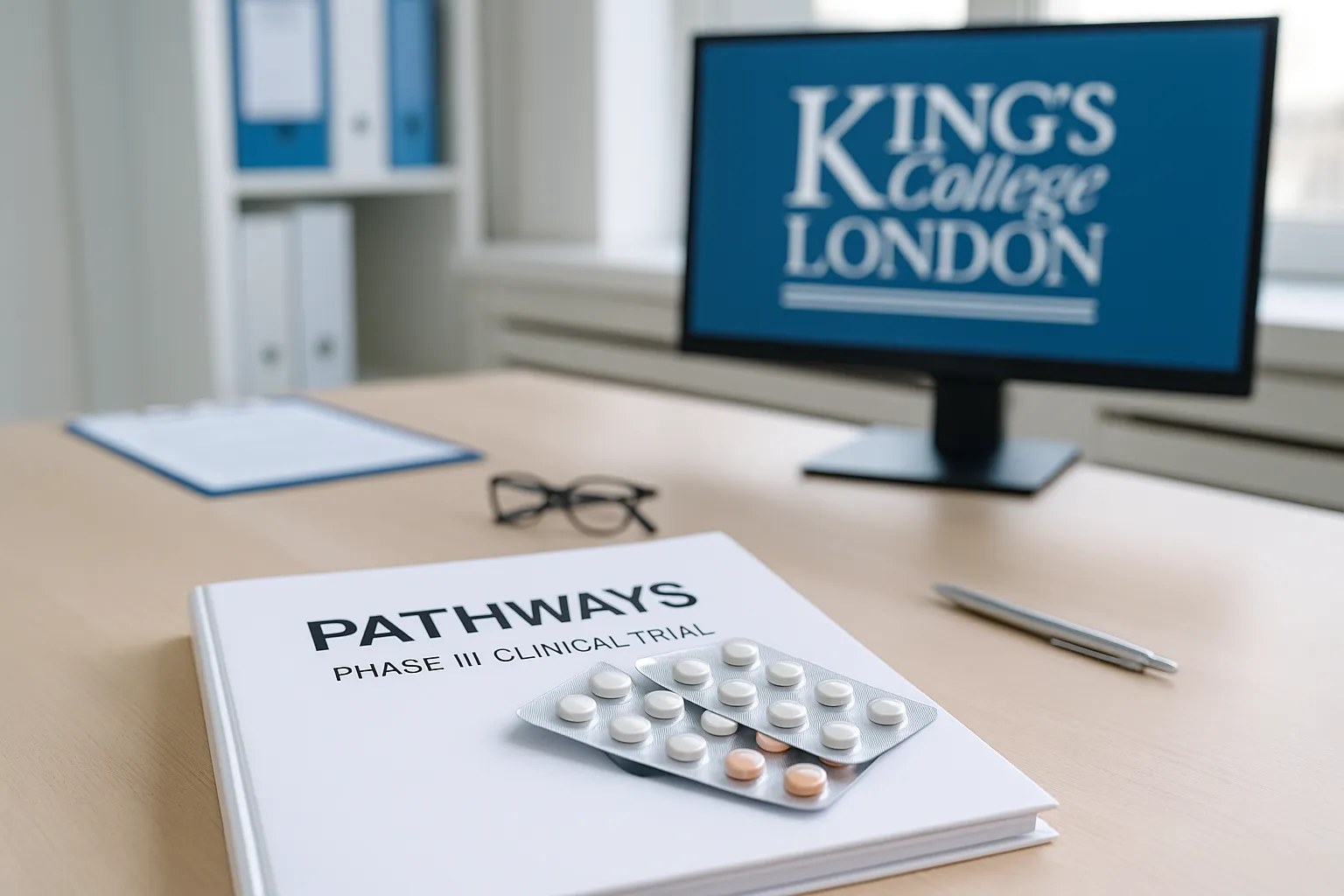
A pivotal trial examining the effects of puberty blockers on children and adolescents has been temporarily halted due to emerging concerns from the UK’s Medicines and Healthcare products Regulatory Agency (MHRA). This study, known as the Phase III PATHWAYS trial, is based at King’s College London and centres on the use of gonadotropin-releasing hormone analogues (GnRHa), such as leuprolide acetate and triptorelin, for young individuals experiencing gender incongruence.
As discussions unfold regarding the implications of the MHRA’s concerns, the trial has ceased recruiting new participants. The trial was designed to include around 226 children ages 11 to 15 who are currently receiving gender services and face distress related to their gender identity. It aims to evaluate the physical, emotional, and social impacts of administering puberty blockers to these individuals.
A spokesperson for the Department of Health and Social Care remarked on the situation, stating, “We have always been clear about the red lines regarding this trial – ensuring the safety and well-being of the children and young people involved and always being led by the clinical evidence.” This comment underscores the commitment to prioritising the welfare of the participants amid ongoing scrutiny. According to the spokesperson, the MHRA has raised new issues directly tied to the health of children and adolescents, prompting further scientific discussions between the trial’s sponsors and regulatory authorities.
The halt in trial preparations also comes in response to recommendations from the MHRA, which has suggested that the minimum age for enrolment should be increased to 14 years. This change reflects ongoing debates concerning the appropriateness of using puberty blockers in younger populations.
In 2024, the UK government instituted a ban on the use of puberty blockers for individuals under the age of 18, a move that followed the Cass Review. An independent report by the Commission on Human Medicines (CHM) concluded that there is an “unacceptable safety risk” associated with the ongoing prescription of these hormonal treatments for children.
The ramifications of this ban have been significant. TransActual, an organisation dedicated to supporting trans rights and health issues in the UK, described the government’s actions as discriminatory. “Banning medicines with no evidence of serious harm, only for trans people, using powers designed for contaminated and life-threatening drugs, is discrimination plain and simple,” said a spokesperson for the organisation.
This trial represents a critical effort to understand puberty blockers’ role in treating those with gender dysphoria. Experts in the field have emphasised the importance of such studies to develop informed clinical guidelines that reflect the realities of gender diversity in young populations. They acknowledge the necessity of balancing the potential benefits of medical interventions with the imperative of ensuring safety.
As the MHRA and clinical leaders delve deeper into these concerns, scrutiny around the implications for current and future patients remains high. The plan for reinstating trial activities will depend heavily on the examination of the findings, ensuring that any continuation is underpinned by robust scientific evidence.
Engagement from stakeholders, including medical professionals, families, and advocacy groups, will likely play a vital role in shaping the ongoing discussions surrounding this topic. The landscape of gender-affirming care for minors is evolving rapidly, necessitating continuous review and adaptation of policies and practices to align with the latest research and ethical considerations.
In the wake of these developments, many are calling for a more nuanced understanding of the complex issues surrounding gender identity and medical treatment. The dialogue between regulatory bodies, medical practitioners, and advocacy organisations is crucial in seeking pathways that protect the well-being of young people while respecting their rights to access appropriate healthcare.
As the situation develops, further insights are expected from ongoing research and discussions in the medical community. The outcomes may ultimately influence not only the PATHWAYS trial but also the broader landscape of gender-affirming care in the UK, impacting countless families navigating similar challenges.
Public interest in this trial and its implications underscores a growing awareness of the discussions surrounding transgender youth and the medical treatments available to them. This ongoing narrative continues to evolve, highlighting the importance of careful consideration and ongoing research in supporting young individuals through their journey of understanding their identities.
In summary, the pause of the PATHWAYS trial represents a critical juncture in the exploration of medical interventions for children and adolescents experiencing gender incongruence. The outcome of the regulatory review will be pivotal in determining the future of such treatments and the framework governing them, as the UK grapples with the complexities of gender identity and healthcare access for its younger demographic.
Our Thoughts
The PATHWAYS trial led by King’s College London has faced significant scrutiny leading to its temporary pause, primarily due to concerns raised by the MHRA regarding the safety and well-being of child participants. To avoid the situation, enhanced risk assessments and regulatory compliance prior to commencing the trial could have been implemented, ensuring adherence to the Health and Safety at Work Act 1974, which mandates protecting the health and safety of participants.
Key safety lessons include the necessity for thorough ethical reviews and continuous oversight involving independent bodies to ensure the welfare of minors in clinical trials. The minimum age requirement for enrolment raised by the MHRA illustrates the importance of considering physical and emotional maturity in research populations, aligning with the safeguarding principles outlined in the Children Act 1989.
Additionally, ensuring that robust informed consent processes are enacted, in line with the Mental Capacity Act 2005, would further protect children’s rights and interests in research. Future studies should enforce tighter regulations and oversight to mitigate potential risks similar to those experienced in this trial, adhering to the guidelines that emphasize the paramount importance of child safety in research.