












Story Highlight
– UK PM monitoring Australia’s social media ban developments.
– Ban applies to children under 16 across major platforms.
– Concerns raised about bullying and harmful content online.
– Discussions ongoing regarding potential UK implementation.
– Enforcement and impact on vulnerable youth remain contentious.
Full Story
**UK Government Weighs Australian-Style Social Media Ban for Children**
The UK government is currently assessing a potential ban on social media platforms for children, following Australia’s groundbreaking legislation that prohibits those under the age of 16 from accessing major platforms. This legislation, introduced by Australian Prime Minister Anthony Albanese on December 10, has sparked significant debate about children’s online safety and mental well-being.
Initially, Labour leader Sir Keir Starmer expressed personal opposition to a social media ban for teenagers. However, recent developments reveal that he is now “closely monitoring” the Australian policy, indicating a shift towards a more open stance regarding regulating children’s use of social media.
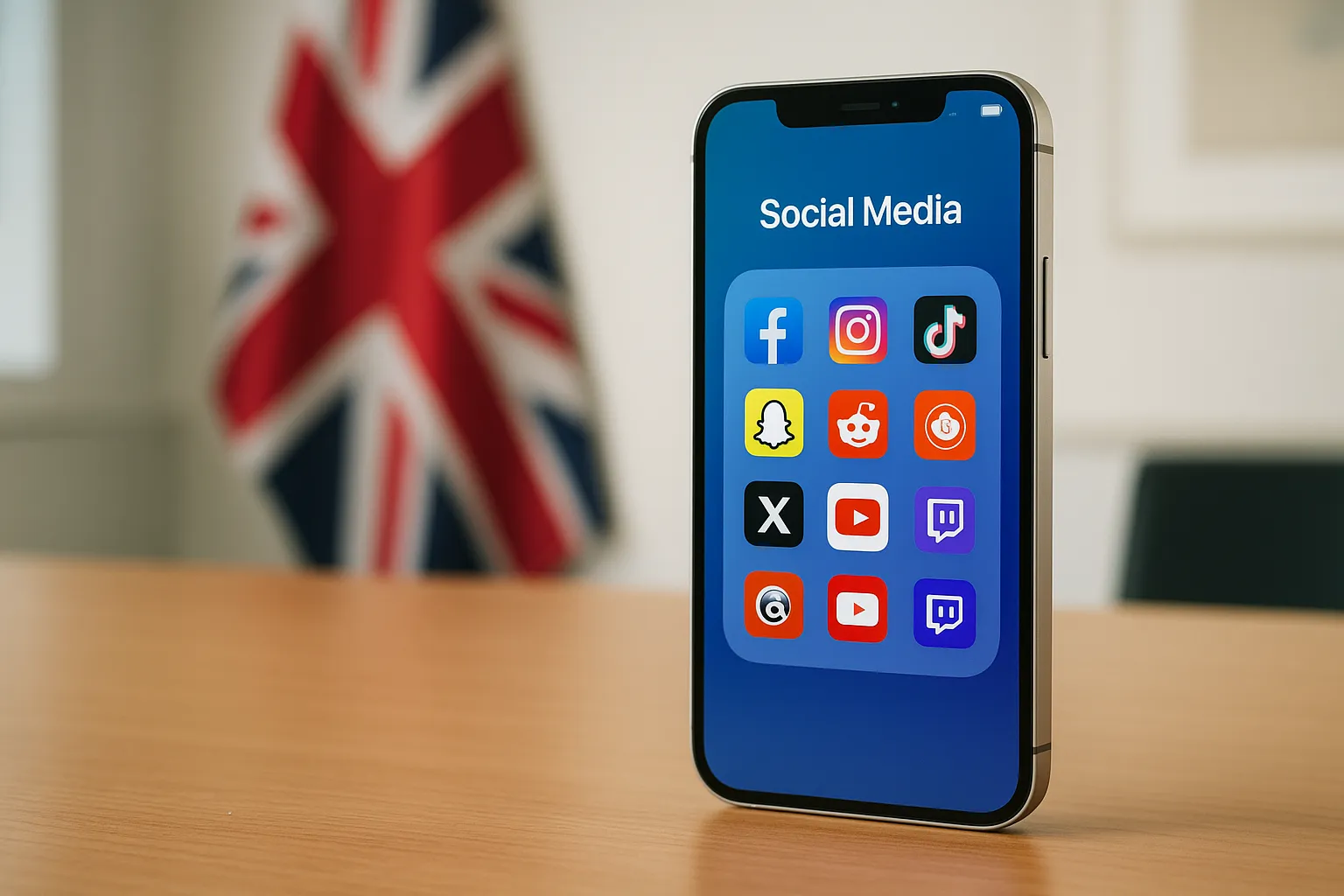
The Australian law restricts access to some of the most popular platforms, including Facebook, Instagram, TikTok, Reddit, Snapchat, YouTube, and others. Its implementation not only aims to protect children from harmful online content but also addresses concerns regarding cyberbullying, radicalisation, and misogyny prevalent in the digital space. In light of these issues, Health Secretary Wes Streeting has urged his party to adopt a more radical approach to tackle the dangers posed by social media platforms.
Streeting has been vocal about the rising risks associated with social media, suggesting that it has become increasingly detrimental to young people’s mental health. He commented, “Social media is becoming more ‘anti-social media’,” highlighting the contrast between today’s unfiltered digital landscape and the regulated environment of offline activities such as cinemas, which impose strict age restrictions. His remarks signal a growing awareness among policymakers regarding the urgency of addressing such challenges to youth.
The discussions surrounding a possible ban have gained momentum as Streeting’s comments resonate with rising public concern about the effects of social media on children’s well-being. The ongoing dialogues between Sir Keir Starmer and Liz Kendall, the Technology Secretary, suggest a pivot towards the possibility of implementing similar legislation in the UK, should the Australian model yield positive outcomes.
A spokesperson for the government reiterated their understanding of parental concerns regarding social media’s impact on children, stating, “We’ve taken some of the boldest steps globally to ensure online content is genuinely age-appropriate.” The spokesperson emphasised the need to strike a balance between protecting children and allowing them to safely engage with digital platforms.
Cultural Secretary Lisa Nandy also weighed in on the deliberations, acknowledging the importance of observing the effectiveness of the Australian approach. She expressed her apprehensions about the enforceability of a ban, reflecting the complexities of implementing such measures. Nandy stated, “We know that young people are really struggling with the amount of time that they spend online and what is happening to them online.”
The government is attempting to find an appropriate response to the increasing concern surrounding children’s exposure to harmful content online. While some policymakers advocate for a comprehensive ban on smartphone usage until the age of 16, others, like Liz Kendall, have expressed caution. Kendall stressed the need to help children navigate the online world and handle the potential harm, rather than imposing a blanket ban that may hinder their capacity to adapt to digital realities.
Experts and advocacy groups, including Netmums, are advocating for more dialogue on this issue, emphasising the implications for young people across the UK. The ongoing discussions and potential policy changes may significantly influence how children interact with social media platforms in the future.
As UK officials continue to explore the ramifications of a social media ban, many stakeholders remain keenly interested in the unfolding situation in Australia. Government representatives stress that no decisions will be made hastily and that a robust evidence-based approach will be essential in evaluating any proposed legislation aimed at enhancing children’s online safety.
**Frequently Asked Questions About the Proposed Ban**
1. **What does the proposed social media ban entail?**
The suggested legislation aims to imitate Australia’s law, preventing individuals under 16 from accessing key platforms like Instagram, TikTok, Snapchat, and YouTube. It targets protection against bullying, harmful content, and excessive screen time for minors.
2. **Has Sir Keir Starmer changed his initial position on the social media ban?**
Yes, while he previously opposed a ban for younger users, Starmer has shifted his viewpoint and is now monitoring the Australian framework closely. He has not ruled out the possibility of similar measures in the UK based on emerging evidence.
3. **What prompted the government to reconsider its approach?**
The call for a more radical re-evaluation stemmed from Health Secretary Wes Streeting’s concerns about the linked issues of online bullying and radicalisation that occur on social media. There’s a pressing need for stronger protections given the challenges children face in accessing unsuitable material.
4. **What challenges do ministers foresee if a ban is introduced?**
Members of the cabinet, including Nandy, have raised doubts regarding the feasibility of enforcing such a ban. They point out the risk of isolating vulnerable youth from essential digital services while attempting to safeguard them.
5. **Is the social media ban in the UK confirmed?**
Currently, there is no official confirmation of a ban. The government is closely observing the outcome of measures in Australia before making any decisions, with an emphasis on needing solid evidence supporting children’s safety in the digital domain.
As discussions progress, the situation remains fluid, and stakeholders await further developments that could lead to significant changes in how social media is regulated for children in the UK.
Our Thoughts
The discussion surrounding a proposed social media ban for children in the UK highlights key areas of concern regarding online safety that could be addressed under UK health and safety legislation. To avoid potential risks faced by children, proactive measures such as implementing age verification systems and stricter content moderation on social media platforms would help ensure a safer online environment. The UK Government could enforce existing regulations, such as the Online Safety Bill, which aims to protect children from harmful content.
There is a need for clearer guidelines and responsibilities for social media companies regarding the safety of underage users. Failure to implement effective controls can breach Section 2 of the Health and Safety at Work Act 1974, which mandates that employers (including tech companies) ensure the safety of their users.
Key lessons include the importance of balancing online access and safety and the necessity of robust evidence before implementing widespread restrictions. Collaboration between government bodies, technology companies, and health organizations is vital to effectively safeguard children’s wellbeing while still allowing them to benefit from these platforms.