















Story Highlight
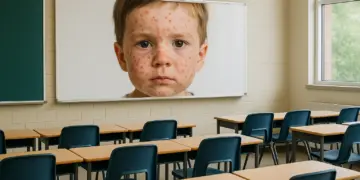
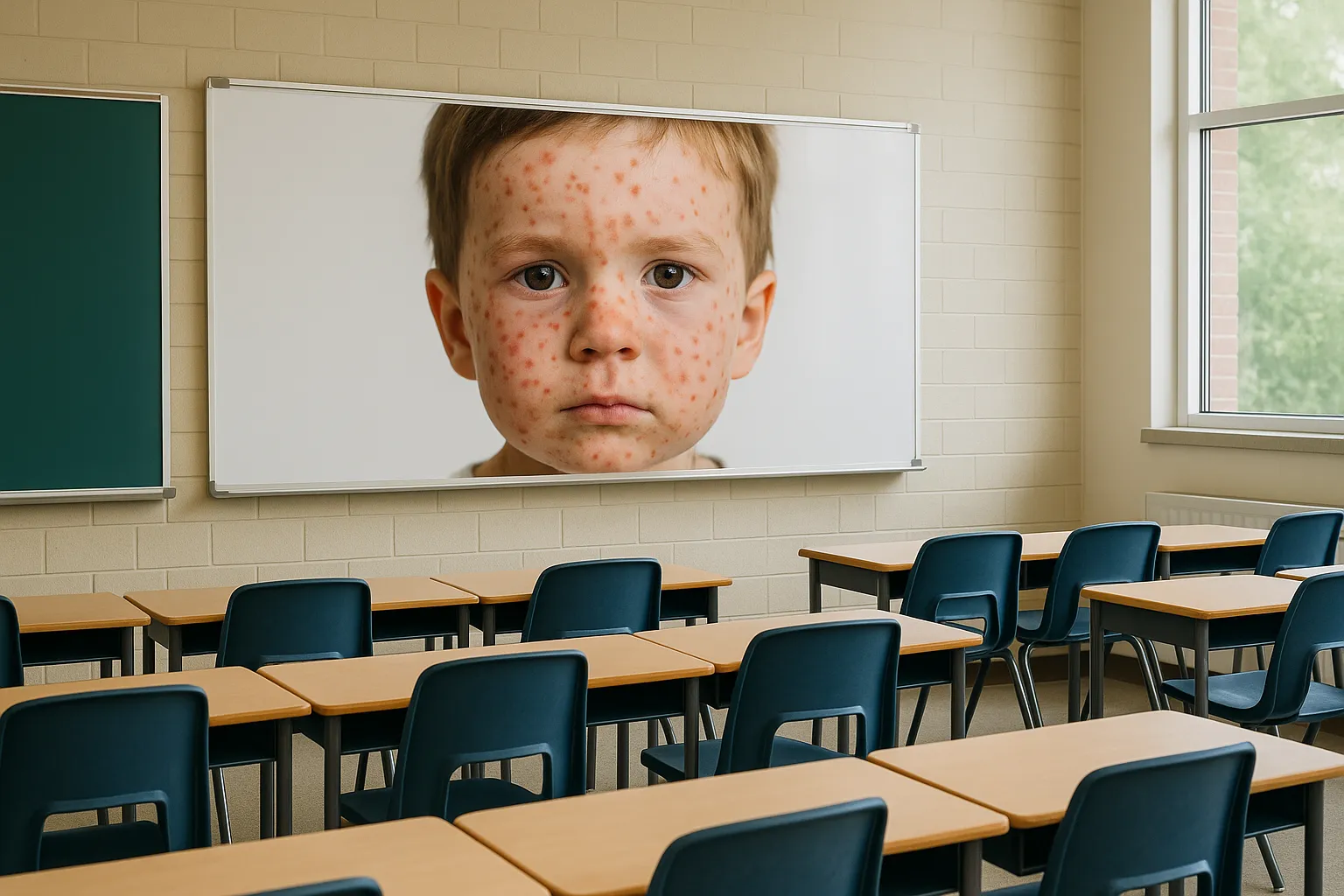
– Measles outbreak affects schools and nurseries in London.
– UKHSA urges parents to vaccinate unprotected children.
– Vaccination prevents 5,000 deaths annually in England.
– UK loses measles elimination status with rising cases.
– New campaign promotes easy access to childhood vaccines.
Full Story
Health officials in the UK are sounding alarms over a recent surge of measles cases affecting schools and nurseries in London. The UK Health Security Agency (UKHSA) is actively urging parents to ensure their children are vaccinated, emphasising the importance of immunisation in combating this highly contagious disease.
In response to this concerning outbreak, the UK government alongside the UKHSA has embarked on a public health campaign called “Stay Strong, Get Vaccinated.” This initiative aims to educate parents on the significant health risks associated with low vaccination rates and the benefits of timely immunisation. Officials estimate that routine vaccinations save approximately 5,000 lives and prevent 228,000 hospital admissions annually in England alone.
The outbreak, which has primarily affected unvaccinated children under the age of 10, has necessitated hospital treatment for several affected youngsters. The UKHSA has pointed out that diseases like measles can spread rapidly among populations with low vaccination coverage. Alarmingly, current childhood vaccination rates in the UK remain below the critical 95 per cent target set by the World Health Organization (WHO), a threshold necessary to effectively prevent the transmission of measles. As a result, the UK has lost its status as a country free of endemic measles after recording over 2,900 cases last year—marking the highest incidence in decades.
Dr Zubir Ahmed, the Health Innovation and Safety Minister, stressed the value of vaccinations in his comments on the issue. “Vaccination is one of the greatest public health successes of our time, protecting children from serious and sometimes life-threatening diseases. But with vaccination rates falling and the UK losing its measles elimination status, it’s vital we act now,” he said. The campaign aims to provide parents with trustworthy information regarding childhood immunisations and the vital protection they confer.
Reflecting further on the initiative, Dr Ahmed mentioned new measures being introduced to improve access to vaccinations. The inclusion of chickenpox protection as part of the combined MMRV vaccine is one such step aimed at supporting families in safeguarding their children’s health. “By making vaccines easier to access, we are supporting families to keep their children safe and healthy, while helping to protect communities across the country,” he added.
Health officials reiterated that routine vaccinations are the safest method for protecting children from various serious illnesses. These immunisation programmes are designed to shield against life-threatening diseases including measles, whooping cough, meningitis, polio, and diphtheria. Dr Gayatri Amirthalingam, who serves as the Deputy Director of Immunisation at the UKHSA, echoed this sentiment, indicating that falling vaccination rates over the past decade have left many children vulnerable to preventable diseases.
“The spread of measles, whooping cough, and other such ailments can have devastating consequences, especially among unvaccinated children,” she stated. “The NHS childhood vaccination programme remains the best option to protect children against 13 serious diseases.” Dr Amirthalingam also highlighted the urgency for parents to verify their children’s vaccination status, noting that it is never too late to catch up on essential vaccines, including the MMRV.
The MMRV vaccine not only protects against measles, mumps, and rubella but also includes coverage for chickenpox, with the second dose now available as early as 18 months. This adjustment ensures that children are fully immunised prior to starting school, aligning with the UKHSA’s goal of bolstering community immunity.
Caroline Temmink, the Director of Vaccination, urged parents to remain proactive about their children’s immunisation status. “Childhood vaccines have protected generations of children from devastating diseases for decades, yet too many children are still missing out on vital protection,” she pointed out. Temmink encouraged parents to check whether their children are up-to-date with recommended vaccines and to arrange appointments through their local GP. “It’s quick, it’s free, and it could save their life,” she asserted.
As outbreaks of preventable diseases pose a growing risk to public health, the continued emphasis on vaccination remains critical. Bolstering community immunity is essential in safeguarding not only the most vulnerable but also ensuring the long-term health of the population. The ongoing campaign seeks to combat misinformation surrounding vaccines, providing families with the information they need to make informed decisions regarding their children’s health.
With healthcare systems already burdened, the call to action is clear: every vaccination counts, and public health officials are committed to reversing the trend of declining vaccination rates in order to protect future generations from the resurgence of preventable diseases like measles.
Our Thoughts
The recent measles outbreak in London highlights significant gaps in vaccination coverage among children, which has direct implications for public health. To prevent similar incidents, a more proactive approach could have been adopted by health authorities. Key measures include enhancing public awareness campaigns about vaccination benefits and addressing misinformation surrounding vaccines.
Relevant regulations that may have been breached include the Health and Safety at Work Act 1974, which outlines the duty to ensure the health and safety of individuals at work and, by extension, in educational settings. Schools and nurseries should have robust health policies to promote vaccination as a part of health and safety management.
In summary, improving access to vaccinations, maintaining high awareness levels, and ensuring that parents are adequately informed about the risks of unvaccinated children are crucial strategies. Regular engagement with communities to uphold vaccination rates at or above the 95% threshold recommended by WHO is essential to prevent the spread of infectious diseases like measles in the future.