















Story Highlight
– UK patients increasingly seek hair transplants in Turkey.
– Turkish clinics offer experienced surgeons and structured packages.
– Cost of hair transplants in Turkey is significantly lower.
– Cosmedica Clinic provides comprehensive support for patients.
– Aftercare is vital for long-term hair restoration results.
Full Story
An increasing number of individuals in the UK are investigating the landscape of hair transplant options in Turkey, drawn by the country’s reputation as a leading hub for hair restoration procedures. With its renowned clinics, comprehensive packages, and skilled medical professionals, Turkey has established itself as a prime destination for those seeking hair transplants.
Experts like Dr Levent Acar emphasize the connection between hair density and a youthful appearance, prompting many patients to seek transformations that begin in Turkey. The allure of quality medical care combined with cost-effective solutions is making it a popular choice for numerous UK patients.
### Why Turkey is a Prime Destination for Hair Transplants
Turkey has gained international recognition for hair transplant procedures and attracts a significant influx of medical tourists every year. The rise in popularity of Turkish clinics stems from various factors. Primarily, the country boasts a substantial number of specialists dedicated to hair restoration, highlighting a deep reservoir of expertise. Additionally, many clinics are tailored to meet the needs of international patients, offering well-organized systems that alleviate the complexities often associated with seeking treatment abroad.
Moreover, Turkish clinics employ modern techniques such as Follicular Unit Extraction (FUE) and Direct Hair Implantation (DHI). These advanced methods, including the use of microsapphire blades, are designed to produce natural-looking results and ensure successful outcomes, particularly when the donor area is thoroughly assessed. Dr Acar elaborates, stating: “We calculate mathematically how much is needed for real density. If a patient needs 4,000, it’s better to do it in one session than make him come back three times.”
### Comparing Costs: Turkey vs. the UK
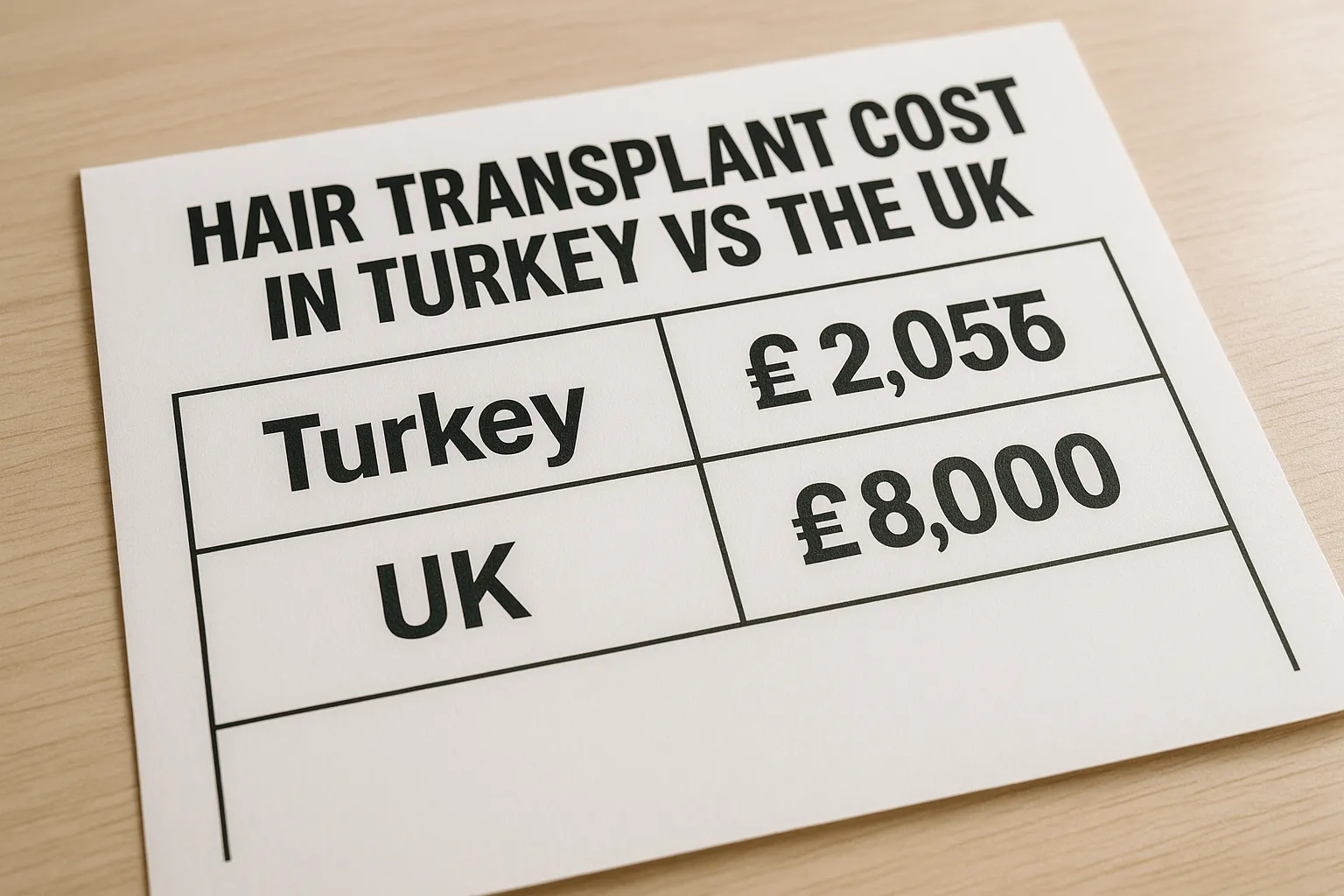
One of the primary factors driving medical tourism to Turkey is the cost of hair transplants. In the UK, the price for such procedures typically ranges from £4,000 to £10,000, depending on the chosen method and the number of grafts required. Many prospective patients find that the structured pricing offered in Turkey, coupled with comprehensive packages, is particularly appealing, as it minimizes the risk of unexpected costs.
At Cosmedica Clinic, for example, the packages often encompass hotel stays, airport transfers, initial consultations, services on the day of the procedure, and aftercare support. This contrasts with many UK clinics, where the quoted costs may not include additional expenses such as travel and accommodation.
**Cosmedica Packages Explained:**
– **FUE Sapphire Package:** This option, priced at £2,058, involves FUE techniques with graft extraction using microsurgical punches and implantation with forceps. The use of sapphire blades ensures precision in creating channels in the scalp. Patients looking for fuller coverage can opt for the megasession upgrade for an additional £756.
– **Micro Sapphire DHI Package:** Available for £2,680, this package combines sapphire blade incisions with the DHI technique, which utilizes an implanter pen to protect grafts during placement, reducing handling. This option also offers a megasession upgrade at £672 for those needing more grafts.
– **VIP Micro Sapphire DHI Package:** Priced at approximately £6,720, this premium option includes features like needle-free anaesthesia and the Regenera Activa treatment. The procedure’s incision stage is performed by Dr Acar personally, further enhancing the experience. The megasession upgrade here is priced at £1,680.
### Assessing Safety in Turkey
Despite the attractive cost and advanced techniques, safety is paramount when considering hair transplants. The Turkish market features a mix of boutique and large-volume clinics, emphasizing the importance of thorough research into surgeon qualifications and clinic credentials. Patients are encouraged to seek clinics that adhere to high health and safety standards, following guidelines set by reputable organizations like the International Society of Hair Restoration.
### What Sets Cosmedica Apart
Cosmedica Clinic stands out as one of the leading establishments for hair transplants in Turkey. Dr Levent Acar, the founder and a distinguished surgeon with over 16 years of experience, has performed more than 20,000 successful operations. Dr Acar is known for developing the DHI Sapphire method, which boasts an impressive 98% hair growth success rate.
### A Seamless Medical Tourism Experience
Many UK patients find that organizing a trip to Turkey for a hair transplant is far more straightforward than anticipated, thanks to efficient scheduling and robust support systems. Typically, the process unfolds over three days:
– **Day 1: Arrival** – Patients arrive in Istanbul, where they are greeted by a driver who takes them to their hotel. Pre-procedure instructions are provided, and schedules are confirmed.
– **Day 2: Procedure Day** – After an initial consultation and hairline design, the transplant begins. The day includes FUE extraction with micro punches, incision creation with sapphire blades, and graft placements using either forceps or DHI pens. As Dr Acar notes, “The surgery is pain-free. Recovery is just a bit uncomfortable.”
– **Day 3: Post-Procedure Review** – Patients return for their first wash and postoperative guidance, focusing on managing any swelling and understanding the care of their new hair. According to Dr Acar, “The best moment is after about 13 days, when the scabs wash away and you see the clean hairline.”
Advice for long-haul travellers includes staying hydrated and avoiding tight headgear during the return journey.
### The Importance of Aftercare
Aftercare plays a critical role in the effectiveness of the transplant results. Upon returning to the UK, patients are encouraged to adhere to a specific washing routine, avoid heavy physical activity, and take steps to protect the newly implanted hair. Cosmedica provides ongoing support for 12 months through digital check-ins and progress evaluations, ensuring that patients feel supported throughout their recovery. “The real results come after eight to 12 months,” Dr Acar notes, emphasizing the need for patience during the regrowth process.
### Conclusion: Evaluating the Value of Hair Transplants in Turkey
While the competitive pricing associated with hair transplants in Turkey is certainly appealing, UK patients are urged to consider various factors beyond mere cost. Understanding the price per graft, the surgeon’s role in the design process, safety protocols, and the overall structure of treatment packages can greatly impact patient satisfaction.
Cosmedica Clinic, through its commitment to quality and transparency, exemplifies the level of service patients can expect. With well-defined timelines and meticulous patient care, Turkey offers UK individuals a viable and appealing route toward the hair restoration they seek. As Dr Acar succinctly concludes, “When people look at a face, the density and hairline are immediately connected with youthfulness and health.” The journey toward a rejuvenated appearance may very well begin in the heart of Turkey.
Our Thoughts
The article highlights the growing trend of UK patients seeking hair transplants in Turkey due to lower costs and the perceived quality of care. To mitigate potential risks associated with medical tourism, several key safety lessons and regulatory considerations emerge.
Firstly, patients should thoroughly research clinics and surgeons, ensuring compliance with relevant UK health and safety standards. The Care Quality Commission (CQC) regulations stipulate that medical services must maintain high standards of safety, which should be evident in the clinic’s documentation.
Secondly, clinics abroad should ideally provide detailed information on their health and safety protocols, including infection control measures, informed consent processes, and post-operative care guidelines, in accordance with the Health and Social Care Act 2008.
To prevent incidents, it is essential for patients to have access to verifiable qualifications of practitioners and to seek facilities accredited by recognized organizations. Implementing a system for patients to report concerns about their care upon return could further enhance safety.
Lastly, educating patients about the risks associated with medical travel and the importance of aftercare could significantly reduce complications, aligning with general safety expectations under the Health and Safety at Work Act 1974.