











Story Highlight
– Major UK supermarkets issue “do not eat” warnings.
– Co-op recalls chips due to undeclared milk allergen.
– Farmfoods recalls Ritz Sandwich for unlisted allergens.
– Lidl’s snack product may contain foil pieces.
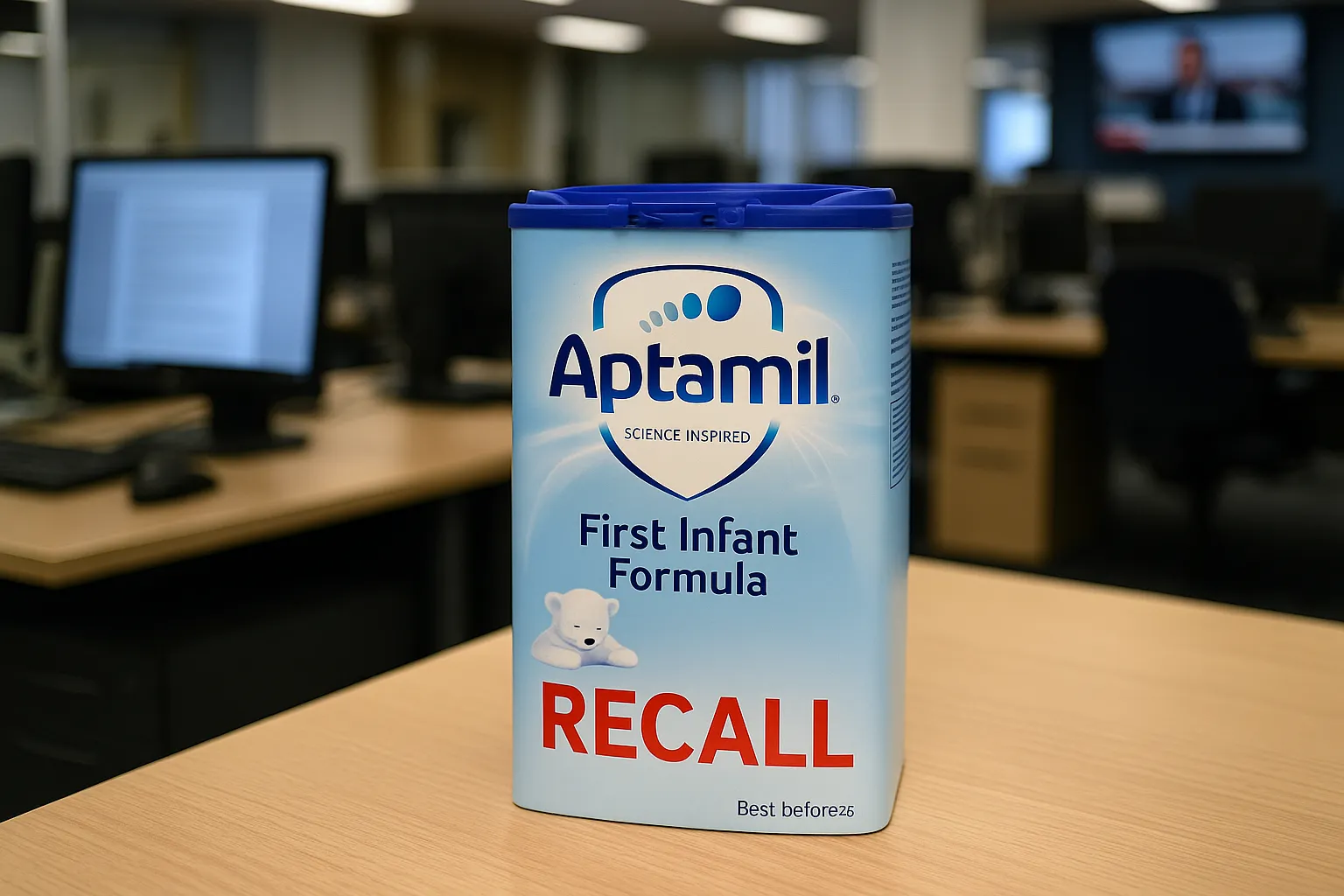
– Danone recalls baby formula due to potential toxin.
Full Story
Major UK supermarkets have recently initiated product recalls, issuing warnings to customers regarding certain food items due to various health risks. These warnings underline the importance of consumer awareness about the implications of consuming compromised products.
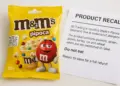
Among the supermarkets involved, Co-op has announced a recall of its Irresistible Triple Cook Thick Cut Chunky Chips. This action stems from a packaging mishap in which the chips were mistakenly packed alongside Dauphinoise potatoes, leading to the inclusion of undeclared milk in the product. The chips affected have a use-by date of February 14. A representative from the Food Standards Agency (FSA) remarked: “Co-op is recalling the above product from customers and has contacted the relevant allergy support organisations, which will tell their members about the recall.” Customers who carry a milk allergy or intolerance should avoid consuming the affected product and return it to their nearest store for a full refund. Online customers can also seek a refund through the number provided by the Co-op: 0330 041 7737. For additional inquiries, shoppers can contact Co-op customer service at 0800 0686 727 or via their website.
Farmfoods is also undertaking a recall, affecting their Ritz Cheese Sandwich due to undeclared allergens including milk, soya, and wheat. This particular issue pertains only to products imported from Indonesia and does not apply to items from other regions. An FSA spokesman advised, “Farmfoods is recalling the above product. Point of sale notices will be displayed in all retail stores that are selling this product.” Customers who have purchased the sandwich and have allergies to any of the mentioned allergens should refrain from consumption and return the product for a full refund. Further clarification can be gained by contacting Farmfoods Customer Services at 0121 700 7160.
In another case, Lidl has expressed regret after recalling its Snaktastic Multigrain Bites Sour Cream & Black Pepper. The snack has been identified as potentially containing pieces of foil. The affected batches have a best before date of April 4 and batch code 207 345. An FSA representative highlighted, “Lidl GB is recalling the above product. Point of sale notices will be displayed in all retail stores that are selling this product.” Customers are urged not to consume the snacks and to return them for refunds. For questions, Lidl customers may reach out to the company’s Customer Care team at 0203 966 5566 or via email at customer.care@lidl.co.uk. Lidl has reassured customers that no other Snaktastic products are implicated in this recall.
Parents have been warned about a serious recall involving the Aptamil First Infant Formula manufactured by Danone. This product may contain the cereulide toxin, a potential health hazard that may result in nausea, vomiting, and abdominal cramps. The toxin is notable for its resilience, making it unlikely to be eliminated through cooking or mixing with water when preparing the formula. The specific batch in question is marked with a best before date of October 31, 2026. Danone has stated that this batch was sold between May and July 2025. “Customers who still have products from this batch can return it to the shop where they bought it for a full refund with or without a receipt,” a spokesperson noted. Alongside this, the FSA urged consumers not to feed the compromised formula to babies and to consult healthcare professionals if there are any health concerns related to its use. For further assistance, parents can contact the Aptamil Careline team at 0800 996 1000 or visit www.aptaclub.co.uk.
Furthermore, drinks sold at TK Maxx and Homesense have been recalled due to potential health risks. TJX Europe is recalling its Ten Acre Gifts/Coffee Syrup collection, which may contain undeclared allergens such as nuts, peanuts, soya, and gluten. Affected products were available in stores between October 2025 and January 2026, with a best before date of September 9, 2026. An FSA representative warned: “This product may contain nuts, peanuts, soya and wheat (gluten), making it a possible health risk for anyone with an allergy to those ingredients.” Customers are advised to return any affected items for a refund. For further information, inquiries can be directed to TJX Europe via email at customerservice@tjxeurope.com or by calling 01923473561.
The protocol of product recalls is crucial in maintaining consumer safety. These recalls may occur when food products are found to pose a risk and necessitate withdrawal from the marketplace or a return by consumers. The FSA actively issues Product Withdrawal Information Notices and Product Recall Information Notices to inform the public and local authorities of any concerns related to food safety. In certain situations, a ‘Food Alert for Action’ may be released, detailing specific steps that must be taken by local authorities to safeguard public health.
In light of these recalls, it is essential for consumers to remain vigilant about food safety. Those who have purchased or consumed these items should prioritise their health by adhering to the recommendations provided by the FSA and individual retailers. Keeping informed about potential hazards in everyday products contributes significantly to maintaining safety in the food supply chain.
Our Thoughts
The recent product recalls by major UK supermarkets highlight significant lapses in compliance with UK food safety legislation, specifically the Food Safety Act 1990 and the General Food Law Regulation (EU) 178/2002, which mandate accurate labeling and allergen disclosure. To prevent similar incidents, supermarkets should implement stricter auditing processes and regular training for staff on allergen management and labeling requirements.
Key safety lessons include the importance of thorough product labeling to ensure consumers are aware of potential allergens, and the need for robust quality control checks during packaging to avoid cross-contamination. Enhanced traceability systems could also improve recall efficiency and consumer safety.
Additionally, the Food Standards Agency (FSA) recommends consistent communication with customers regarding recalls, which was followed by these retailers but could be improved with timely notifications to affected consumer groups. Regular assessments of supplier compliance with allergen controls and proactive monitoring of product batches can further reduce the risk of future incidents.