











Story Highlight
– Tesco recalls rice due to undeclared gluten risk.
– Lidl recalls snack for possible foil contamination.
– Aptamil formula recalled over potential toxin presence.
– TK Maxx drinks recalled for unlisted allergens.
– Customers advised to return products for full refunds.
Full Story
Several prominent supermarkets in the UK have recently issued warnings advising customers not to consume specific products due to health risks. These recalls involve a variety of items available across the nation, and shoppers are urged to pay close attention to the guidance provided regarding these concerns.
**Recall Announcements from Tesco**
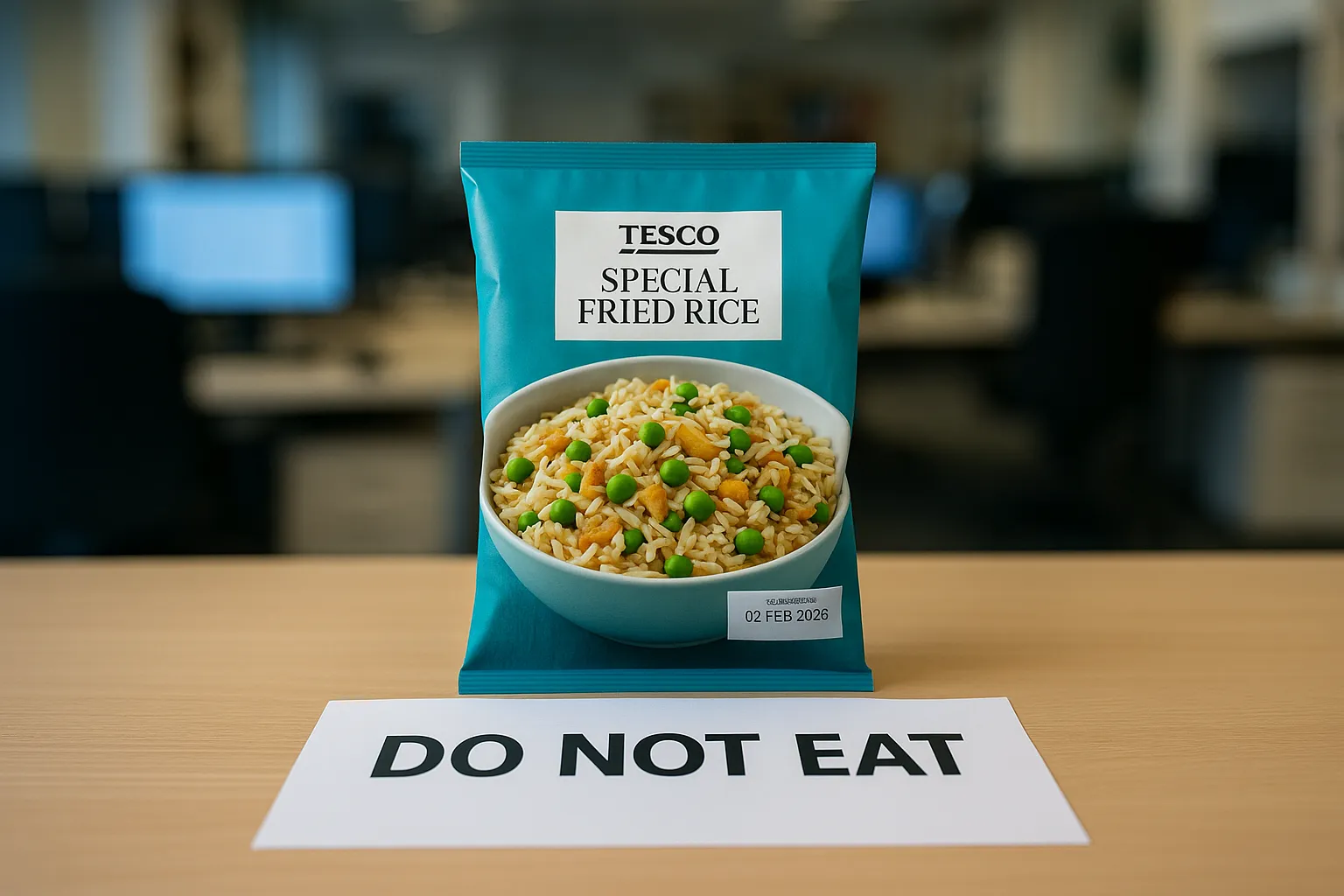
Tesco has identified a potential issue with one of its rice products. The supermarket has initiated a recall of its 350g packet of Special Fried Rice due to the accidental inclusion of gluten, which is not listed on the packaging. This poses a potential health risk for individuals with allergies or intolerances to wheat or gluten, as well as those who suffer from coeliac disease.
Consumers who have purchased this particular batch should be aware that it bears a use-by date of 2 February 2026. Tesco advises anyone holding the recalled rice to refrain from consuming it and to return the item to any branch of the supermarket. Customers will receive a full refund, and this policy remains in effect even if they do not possess a receipt for their purchase. A Tesco representative expressed regret for any inconvenience this may have caused while ensuring customers that no other products under the Tesco brand are affected by this recall.
Further information regarding this recall can be accessed through the Food Standards Agency (FSA) website.
**Lidl’s Snack Product Recall**
Lidl has also issued an apology to customers as it recalls its Snaktastic Multigrain Bites in the Sour Cream & Black Pepper flavour. The recall has been prompted by the potential presence of pieces of foil within the snack bags. The affected products, which should not be consumed, have a best-before date of 4 April 2026 and are labelled with batch code 207 345.
A spokesperson from the FSA highlighted that Lidl is implementing point-of-sale notices across all stores to inform consumers about the recall and appropriate actions to take. Customers who may have purchased these multigrain bites are urged to return the product to a Lidl store for a full refund. The Lidl spokesperson confirmed that only this specific product is affected and thanked customers for their cooperation in addressing the matter.
**Aptamil Baby Formula Recall**
In a separate incident, parents have been warned against using a specific batch of the Aptamil First Infant Formula. The manufacturer, Danone, has recalled this product due to the potential contamination with cereulide toxin, which may lead to severe gastrointestinal issues, including nausea and vomiting. The toxin is associated with certain strains of Bacillus cereus and is notably heat stable, meaning it is resistant to destruction through cooking.
The relevant batch has a best-before date of 31 October 2026, and Danone representatives confirmed that the affected formula was distributed between May and July 2025. Parents holding this particular batch are advised to return it to the retailer from which it was purchased, where they can obtain a full refund without needing a receipt. The FSA has emphasized the importance of discontinuing use of the product even if no adverse health effects have been observed in infants who may have consumed it.
**Drinks Recall at TK Maxx and Homesense**
Furthermore, a health advisory has been issued concerning drink products sold at TK Maxx and Homesense. The items in question are part of the Ten Acre Gifts/Coffee Syrup range and are subject to recall due to possible allergens, including nuts, peanuts, soya, and gluten, which are not declared on the product labels. The recall covers items sold between October 2025 and January 2026, with a best-before date of 9 September 2026.
A representative from the FSA advised that consumers who have these products should avoid consumption, particularly if they are allergic or intolerant to any of the listed ingredients. Individuals are encouraged to return the products for a full refund and to reach out to TJX Europe for more information.
The FSA plays a crucial role in managing product safety alerts, issuing notices to both consumers and local authorities regarding food items that are withdrawn or recalled due to safety concerns. These alerts serve as essential communication tools to facilitate necessary actions to protect public health.
**Understanding Product Recalls**
A product recall occurs when a significant flaw or danger associated with a food item is identified. This can result in the product being either withdrawn from sale or recalled for return by consumers. The FSA facilitates this process and disseminates critical information to ensure consumers are aware of the risks and understand how to proceed if they have purchased affected items.
In conclusion, it is vital for consumers to remain vigilant regarding food recalls, to follow the guidance issued by supermarkets and health authorities, and to return any impacted products to their respective stores for refunds, thereby ensuring safety and health within the community.
Our Thoughts
The recent recalls by major UK supermarkets highlight significant failings in product safety protocols. Key safety lessons include the importance of accurate labeling to prevent allergen exposure, as demonstrated by Tesco’s undeclared wheat in their special fried rice. This breach of the Food Information Regulations 2014 could have been avoided through more stringent quality control measures and staff training on allergen management.
Lidl’s recall of products containing foil demonstrates the need for better packaging integrity checks to ensure consumer safety and compliance with the General Product Safety Regulations 2005. For Danone, the presence of cereulide toxin in baby formula indicates that stringent testing and traceability measures are essential to protect vulnerable populations, aligning with the Food Safety Act 1990.
To prevent future incidents, supermarkets should implement comprehensive risk assessment procedures, regular audits, and enhanced communication channels with the Food Standards Agency (FSA) to ensure timely updates regarding product safety. Developing a culture of safety within organizations is critical to maintaining compliance with UK health and safety legislation and safeguarding public health.