







Story Highlight
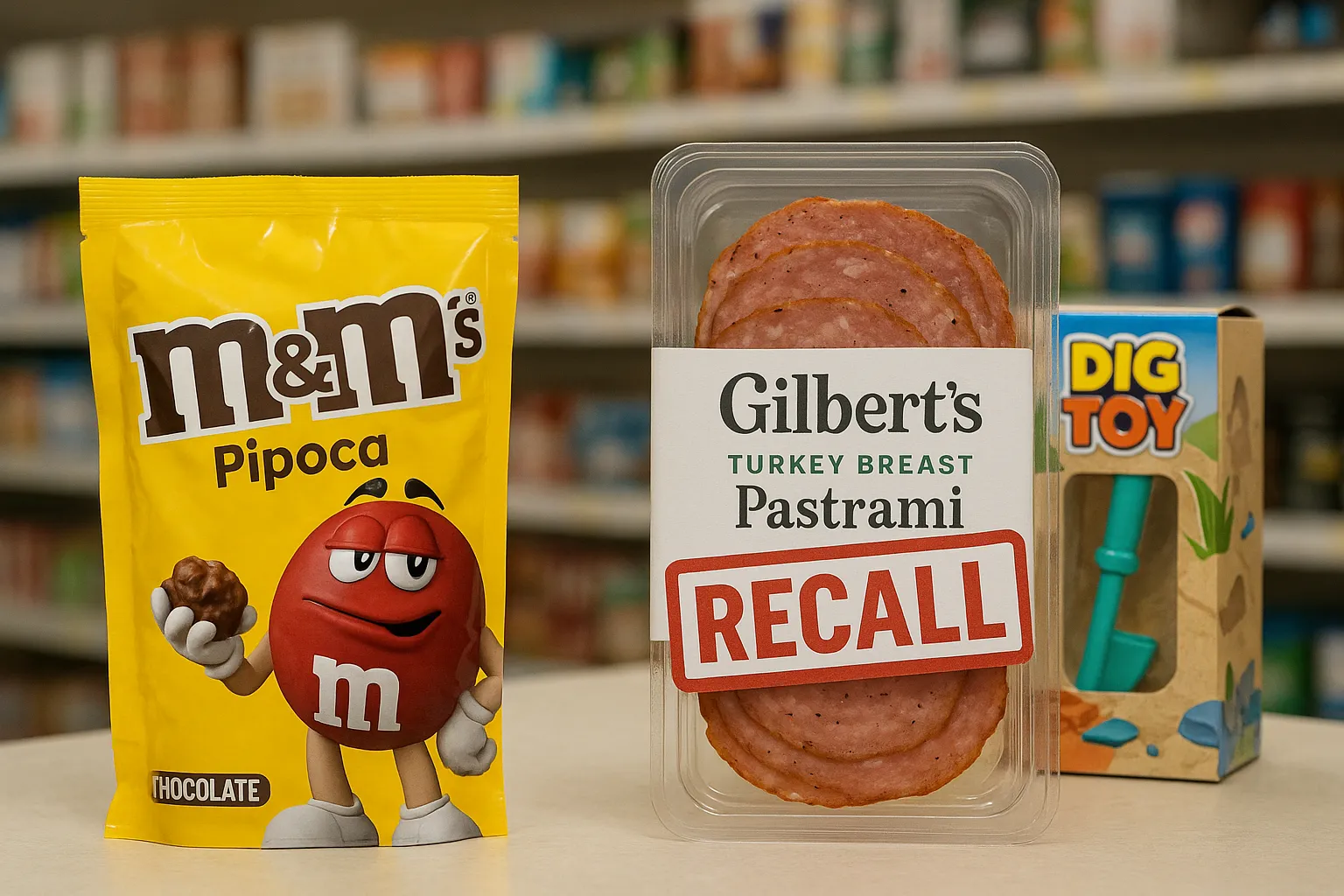
– Multiple food and toy products recalled this week.
– M&M’s recalled for allergen risk.
– Turkey Breast Pastrami found with Listeria.
– Toys recalled for potential asbestos contamination.
– Disposal instructions provided for affected products.
Full Story
A series of urgent product recalls have been announced this week involving a range of consumer items, notably including popular food products and toys, prompting safety alerts for consumers. The Food Standards Agency (FSA) has taken steps to inform the public about potential health risks associated with these items.
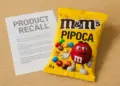
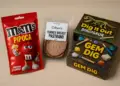
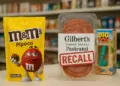
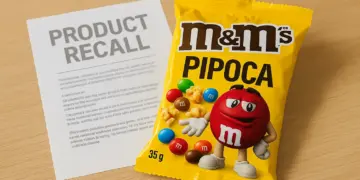
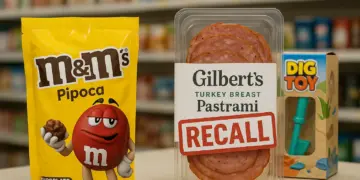
Among the items highlighted is the M&M’s Pipoca (popcorn) variant, which has been recalled due to unspecified allergen risks. The FSA reported that the product contains ingredients that could be perilous for individuals with allergies, including peanuts, barley, rye, and wheat—none of which were indicated on the UK packaging. This chocolate product was originally destined for the Brazilian market before being labeled for sale in the UK.
The FSA has specified that the recall concerns all 35g packs of M&M’s Pipoca, which should be returned to the point of purchase for a full refund, regardless of whether consumers possess a receipt. “If you have bought the above product and have an allergy to peanut or an allergy or intolerance to barley, rye, wheat or cereals containing gluten, or coeliac disease, do not eat it,” the notice advised.
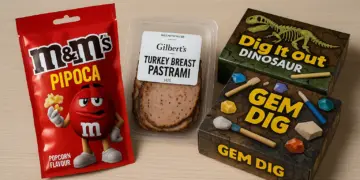
In a separate incident, Gilbert’s Turkey Breast Pastrami has been pulled from shelves due to the detection of Listeria monocytogenes, a bacterium that can lead to serious health conditions. Samples of the product revealed the presence of this pathogen, which can cause flu-like symptoms including fever, muscle aches, and gastrointestinal issues. In some cases, listeriosis can escalate to more severe complications, such as meningitis. The affected packs, weighing 142g, have a use-by date of April 9, 2026, and include product codes CK016 or CK027. Consumers are urged to check their purchases and discard any affected packaging.
Additionally, concerns have arisen regarding several toys sold through Smyths Toys. The Office for Product Safety and Standards has issued a warning about a range of dig toys that may contain asbestos. This notification relates to products such as the Dino Dig Sensory Bin, Dig In Kit GOLD, Let’s Dig Out Dinosaur Eggs (10-piece set), Gem Dig Kit (12 Gem Pack), and others in the same category. The presence of asbestos, a regulated substance known for its health risks, including cancer upon prolonged exposure, has prompted immediate recall measures.
Parents and caregivers are instructed to cease using these toys immediately. If the toys contain any sand-like material, which may be contaminated, they must handle the situation with caution. The OPSS noted, “The product presents a risk to health as the sand-like material inside the toy may be contaminated with a small quantity of asbestos.”
For those with the affected toys, the OPSS recommends safely disposing of the sand. Unused sand should be securely placed in a heavy-duty plastic bag, adequately taped, clearly labeled, and stored away from children. If the sand has previously been used, consumers should carefully clean any areas where the toy was employed using wet cloths to avoid creating dust particles. It is also advised to wear gloves and a mask during the clean-up process. The used materials, along with the contaminated sand, are to be placed in a double-bagged assembly for disposal.
Concerns regarding the recalls have sparked discussions within communities, especially those frequented by families. Local health experts emphasize the importance of adhering to recall notices to prevent health risks. Dr. Emily Thompson, a consultant in public health, stated, “It is vital for consumers to remain vigilant about product recalls and to be aware of the potential hazards linked to certain foods and toys. Consumers should always review product labels and take necessary precautions when advised.”
The rapid issuance of these recall notices calls attention to broader issues within food safety and product regulatory processes. Industry analysts suggest that these incidents underline the necessity for rigorous oversight to ensure consumer safety. They recommend that producers enhance their labeling practices to better reflect the contents and potential allergens present in their products.
As the recalls unfold, various retailers are responding by actively removing the affected items from their shelves to safeguard clients. Affected consumers are encouraged to remain informed through official channels and product safety alerts.
If you have purchased any of the recalled items, returning them to the original store is recommended for a complete refund. All consumers are urged to remain cautious and to report any adverse reactions associated with these products to health authorities. Ensuring public health safety remains a collective responsibility as vigilance and compliance with safety warnings are crucial in mitigating risk.
Our Thoughts
To avoid the incidents reported in the article, stricter adherence to UK health and safety regulations is crucial. Breaches of the Food Safety Act 1990 and regulations under the Food Information Regulations may have contributed to the allergen labeling issues in the M&M’s product. Manufacturers should ensure accurate labeling, particularly when selling internationally, to prevent health risks to consumers with allergies or intolerances.
For the Turkey Breast Pastrami, a thorough hazard analysis and critical control points (HACCP) plan could have identified the presence of Listeria monocytogenes prior to distribution, thus preventing the recall. Compliance with Regulation (EC) No 852/2004 on the hygiene of foodstuffs is essential to mitigate food safety risks.
Regarding the toy recalls due to asbestos contamination, the Control of Asbestos Regulations 2012 emphasizes the need for proper assessment and management of risks associated with asbestos. Regular safety inspections and rigorous product testing prior to market release could prevent similar incidents.
Overall, improved communication, stricter quality control measures, and adherence to relevant regulations are key lessons to prevent such recalls in the future.