




Story Highlight
– Sand Art Activity Kit recalled over asbestos contamination fears.
– Product removed from Amazon and eBay marketplaces.
– OPSS advises immediate disposal and safety precautions.
– Four other toys recalled this year for similar concerns.
– Asda and Design Group UK also issued recalls recently.
Full Story
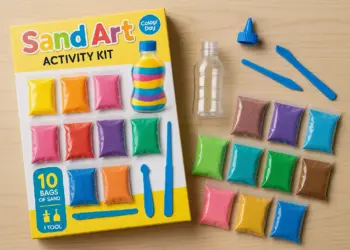
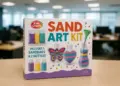
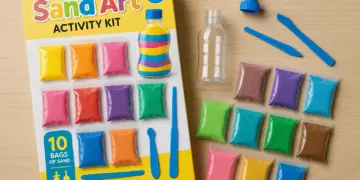
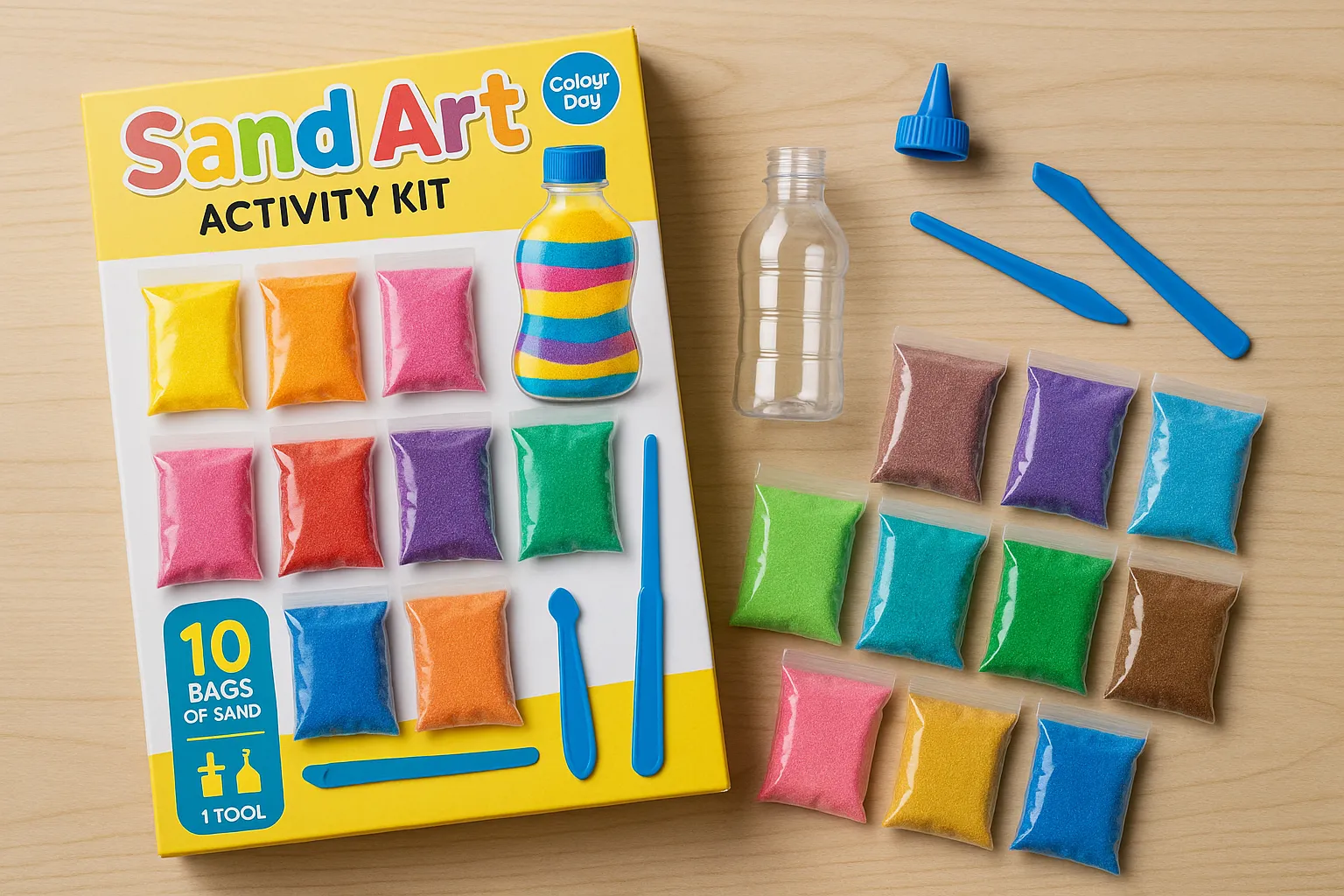
A recent urgent recall has been issued for a children’s toy as concerns arise regarding potential asbestos contamination. The Sand Art Activity Kit, which includes ten bags of coloured sand along with a variety of bottles and tools for creative play, has been withdrawn from major online platforms, including Amazon and eBay.
The Office for Product Safety and Standards (OPSS) has reiterated the health risks posed by the toy, stating that the sand included in the kit may contain a small amount of asbestos. Asbestos is a known hazardous material that has been banned due to its serious health implications, particularly when individuals are exposed, even in minimal quantities.
According to the OPSS, the Sand Art Activity Kit, manufactured by Colour Day, does not comply with the Toys (Safety) Regulations 2011, which are designed to ensure toys are safe for users, especially children. Parents who have purchased the kit are strongly urged to refrain from using it and to dispose of it in a safe manner.
For those still holding onto the product, the OPSS has laid out specific steps to mitigate any potential risk. If the colored sand remains unopened, it should be carefully placed in a heavy-duty plastic bag, which must then be securely double-taped. Furthermore, it is crucial that the bag is clearly labelled and stored away from children’s reach to prevent any accidental exposure.
In cases where the sand has already been used, the OPSS recommends cleaning the areas where the sand was present using damp cloths to minimise the risk of creating dust that could be inhaled. It is advised that individuals handling the sand wear protective gloves and a mask, and that they double-bag the product once cleaned. Moreover, family members, particularly children, should be kept away from any areas that have come into contact with this product until they have been thoroughly cleaned and the toy disposed of in general waste.
Consumers are also encouraged to directly contact the vendor from whom they purchased the kit to request a full refund. Efforts to gather statements from Amazon and eBay regarding this recall are ongoing.
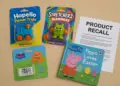
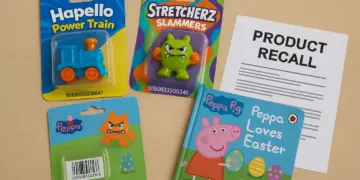
This incident marks yet another instance in a troubling trend of toy recalls due to similar concerns. Earlier this year, at least four other toys faced similar fates due to fears of asbestos contamination related to sand products. For instance, last week, major supermarket chain Asda was compelled to recall its Stretcherz “Stretch Squad” and “Slammerz” figures on advisement that these toys might also contain trace amounts of asbestos. An Asda spokesperson commented, “While we have received no reports of harm, we are taking this action out of an abundance of caution and in line with our commitment to the highest standards of safety and quality.”
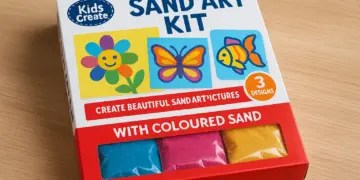
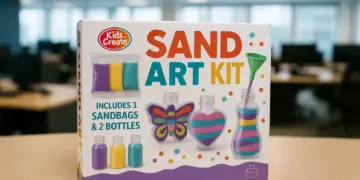
In addition to the Sand Art Activity Kit, another product recently recalled over the same health concerns was the Kids Create Sand Art Kit, produced by Design Group UK. The batches affected were sold between January 2025 and February 2026, carrying the barcode 5012128618222 and model number YKICACA4A016. This kit included three bags of 20g coloured sand, similarly triggering alarms about the safety of its contents.
Furthermore, last month, a significant episode also occurred when children’s play sand sold at Hobbycraft was recalled after a concerned parent reported potential asbestos traces in their product. Such incidents have raised alarms among safety officials, prompting calls for increased vigilance among consumers regarding toy safety.
The series of recalls not only highlights the ongoing challenges regarding product safety standards but also underscores the critical need for vigilance in the marketplace. As the OPSS continues to monitor these situations, parents and caregivers are urged to remain informed about the toys their children interact with and to take immediate action if safety alerts are issued.
With these incidents circling back to the broader issues surrounding the safety of children’s products, it is essential for stakeholders – manufacturers, regulators, and consumers alike – to share the responsibility of ensuring product safety. Only through cohesive efforts can we ensure that toys remain a source of joy and creativity for children, rather than potential health risks.
Our Thoughts
The recall of the Sand Art Activity Kit highlights critical failures in safety compliance and risk management regarding the Toys (Safety) Regulations 2011. To prevent such incidents, manufacturers should implement stringent quality control measures to ensure raw materials are free from hazardous substances like asbestos. Comprehensive testing protocols and supply chain audits are essential to ensure compliance with UK health and safety regulations.
Businesses must enhance their due diligence in the selection of suppliers and conduct regular risk assessments. They should also establish clear reporting mechanisms for customers to report safety concerns, thereby fostering proactive management of risks. Additionally, manufacturers should be required to provide transparent product information and safety assurances to consumers.
Training for staff on identifying harmful materials and the importance of adhering to safety regulations can further reduce the likelihood of contamination. Increased regulatory oversight could also play a role in preventing the sale of non-compliant products in online marketplaces.
Lastly, educating consumers on safe disposal methods and proper handling of potential hazardous products is crucial in mitigating health risks. By addressing these areas, future incidents can be significantly avoided.