
















Story Highlight
– Smart devices pose heightened risk for hackers post-Christmas.
– NCSC advises setting up two-step verification immediately.
– Vulnerable devices can expose home networks to cyber attacks.
– Strong, unique passwords recommended for new accounts.
– UK enforces security standards for all smart devices sold.
Full Story
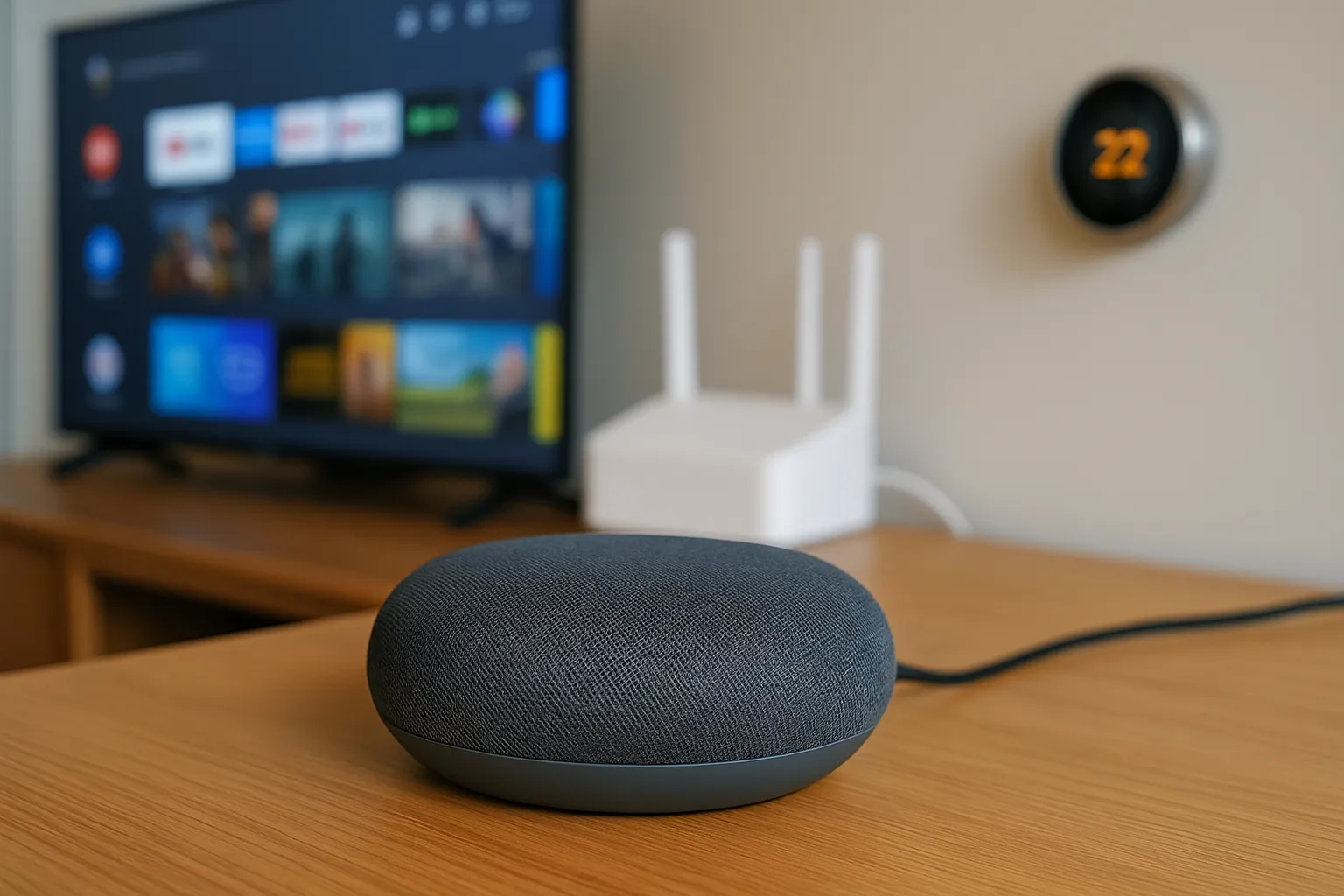
As the festive season concludes, safety experts in the UK are urging individuals who have recently acquired smart gadgets for Christmas to take immediate action to reinforce their cyber security. These smart devices, which include an array of internet-connected items such as speakers, fitness trackers, security cameras, and various household appliances, are becoming increasingly popular. However, the varied nature of these technologies also presents enhanced opportunities for hackers, particularly during the post-holiday period.
The National Cyber Security Centre (NCSC), a branch of GCHQ, has issued a caution, emphasising that unsecured smart devices can serve as entry points for cybercriminals. These devices could potentially expose home networks to unauthorised access or be exploited for broader cyber attacks. Previous analyses of millions of connected households have shown that, on average, each device faces around ten attacks within a 24-hour window, highlighting the persistent threat in the realm of internet-connected technology.
This warning follows a broader context where health experts have also advised individuals with mental health concerns against using artificial intelligence (AI) chatbots for support during the holiday season. As people embrace technology during festivities, the importance of protecting personal information cannot be overstated.
In response to these threats, the Government is advocating a straightforward five-minute task for families: setting up two-step verification and enabling automatic updates on their new devices. Cyber Security Minister Baroness Lloyd remarked, “Smart devices can bring families closer at Christmas, whether it’s video calls with relatives or enjoying festive films and new gadgets. Taking a moment to follow simple setup steps gives families peace of mind and lets them focus on making amazing Christmas memories.”
Jonathon Ellison, the NCSC director for national resilience, reiterated the importance of securing smart devices. He stated, “As you set up a smart device you received this Christmas, make sure it’s wrapped up in the essential security layers. Keeping your home and your information safe is the best present you can give yourself this year. We recommend following the NCSC’s guidance for using smart devices, and remember to switch on two-step verification for all your important accounts.”
The Government asserts that the UK is at the forefront of protecting citizens from cyber threats. In April of last year, the introduction of the Product Security and Telecommunications Infrastructure regulations mandated that all smart devices sold within the UK comply with stringent security standards. These provisions include the elimination of default or easily guessable passwords, ensuring that new devices are equipped with better protections against cyber attacks.
Experts provide several crucial steps that consumers should follow to enhance the security of their new devices:
1. **Enable Two-Step Verification**: When establishing accounts for new devices and applications, activating two-step verification adds a crucial layer of security, making it significantly more challenging for cybercriminals to gain access, even with stolen passwords.
2. **Create Strong Passwords**: It is essential to develop robust, unique passwords for each new account. A successful strategy involves combining multiple random words, which aids in creating passwords that are both memorable and difficult to guess.
3. **Activate Automatic Updates**: Keeping the software of devices updated is vital for maintaining security. Enabling automatic updates ensures that the latest security features are regularly installed without requiring manual intervention.
4. **Establish Parental Controls**: For families with children, setting up parental controls is an effective approach to safeguard young users while maintaining oversight over the devices they access.
5. **Review Privacy Settings**: Consumers should regularly assess and adjust the privacy settings on their devices. Disabling remote access and limiting unnecessary data collection can enhance overall privacy and security.
For additional guidance, individuals are encouraged to visit the NCSC’s official website, which offers comprehensive resources on securing smart devices.
In a society increasingly reliant on technology, the need for vigilance in protecting personal information is paramount. The warnings from the NCSC highlight an urgent call to action for consumers to take the necessary steps to protect themselves now that the holiday excitement has faded.
As new technologies continue to infiltrate our daily lives, staying informed and proactive regarding security measures will be essential not only during the festive season but year-round. Emphasising simple, proactive steps can significantly reduce the risk of cyber threats and help families focus on what truly matters — spending time together and creating cherished memories.
Our Thoughts
To prevent security breaches associated with smart devices, users should have been encouraged to follow recommended guidelines when setting up these gadgets. Key safety lessons include the importance of implementing robust security measures, such as two-step verification and strong, unique passwords. The UK’s Product Security and Telecommunications Infrastructure regulations mandate that smart devices sold must meet basic security standards; however, users often neglect to take essential steps to secure their devices post-purchase.
Regulations potentially breached include the requirement for manufacturers to provide products that do not have default or easily guessable passwords. Additionally, there is a responsibility on manufacturers and retailers to provide clear guidance on setting up devices securely, which is often overlooked.
To prevent similar incidents, it is crucial to educate consumers on the importance of cybersecurity practices when integrating smart devices into their homes. This includes not only adhering to manufacturers’ guidelines but also proactively engaging with security updates and settings. Enhanced consumer awareness campaigns could also support adherence to safety standards and foster a culture of cybersecurity awareness among users.