











Story Highlight
– Thousands of women feel unsafe in ill-fitting PPE.
– Two-thirds report receiving poorly fitting clothing.
– One in five unable to perform jobs due to PPE.
– Oversized gear poses safety hazards in the workplace.
– GMB seeks updated laws for inclusive, properly fitting PPE.
Full Story
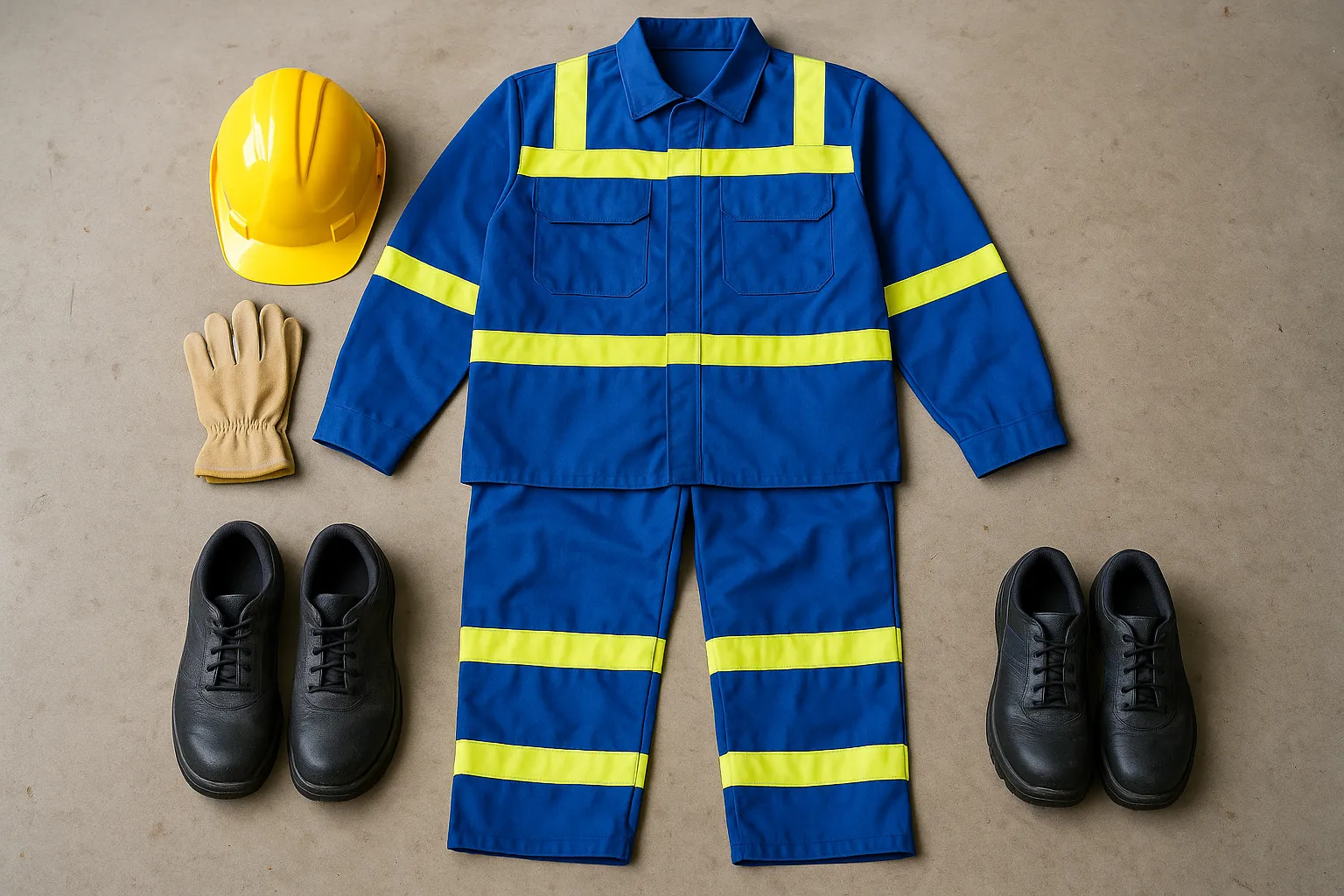
A recent report highlights significant concerns among female workers regarding the inadequacy of personal protective equipment (PPE) tailored for their needs. The findings, based on a survey conducted by the GMB union, reveal that many women in various industries feel unsafe and embarrassed due to the ill-fitting nature of the gear they are required to wear.
The survey, which gathered responses from hundreds of GMB members, unearthed startling statistics: over two-thirds of women reported receiving PPE that did not fit properly. Alarmingly, one in five participants stated that such poorly fitted clothing hindered their ability to perform their jobs effectively. Moreover, around 60% expressed that their work apparel was uncomfortable, raising serious concerns about both safety and efficacy in the workplace.
Testimonies from affected workers underscore the critical issues linked to ill-fitting PPE. One custody officer shared her experience with “low-rise pants that don’t work for a lot of women’s body shapes,” revealing that this type of clothing has led to unwelcome comments from prisoners regarding her underwear. Such instances highlight not only discomfort but also the broader implications for women in positions that require a high level of professionalism and dignity.
In another stark example, a female worker in the textiles industry described how the issue transcends mere discomfort, presenting real safety risks. She stated, “Oversized gloves create an entanglement hazard with machinery, and respirators that don’t seal properly expose me to hazardous wood dust and chemicals, threatening my long-term health.” This stark warning from industry professionals illustrates the dual threat posed by inadequate PPE: it not only affects personal comfort but also jeopardizes the well-being of those who rely on this equipment for safety.
In light of these concerning revelations, the GMB union is advocating for an overhaul of health and safety regulations to ensure that all workers, particularly women, are provided with PPE that fits appropriately. The union is pushing for the implementation of the new British Standard, which they hope will pave the way for inclusive PPE that accommodates the diverse needs of the workforce.
One respondent encapsulated the sentiment behind the current situation, stating, “For years PPE for women has been men’s clothing shrunk and dyed pink; they call it ‘shrink and pink’, which is frankly ridiculous.” This practice not only patronises female workers but also diminishes their crucial role in the workforce. The call for universally designed PPE resonates across gender and ability lines, emphasizing that safety in the workplace should not be compromised by outdated practices.
There are broader implications of inadequate PPE that extend beyond individual experiences, affecting the overall workplace environment. Unsafe and inappropriate equipment can lead to increased accidents, reduced morale, and a feeling of exclusion among female employees. To combat these issues, the GMB is advocating for a significant push towards equitable safety measures that recognise the specific needs of all workers.
To foster discussion and awareness around this issue, the GMB has launched a campaign aimed at raising public and political consciousness regarding the necessity for inclusive PPE. This initiative seeks to galvanise support from various stakeholders, including employers and policymakers, urging them to prioritise the safety and well-being of female workers across all sectors.
Experts in health and safety have chimed in, noting that the importance of properly fitting safety equipment cannot be understated. Dr. Emily Johnson, a workplace safety consultant, commented on the correlation between ill-fitting PPE and occupational hazards, stating, “When workers are uncomfortable, their focus can wane, leading to diminished performance and an increased risk of workplace accidents.” This expert insight reinforces the notion that PPE is not merely a regulatory requirement but a fundamental cornerstone of a safe and productive working environment.
The GMB’s campaign, alongside the new standards being sought, is seen as a critical step toward ensuring that all workers feel respected and valued in the workplace. As discussions surrounding women’s safety, equality, and rights continue to evolve, the moves towards providing adequately designed PPE signal a crucial shift in workplace culture.
In conclusion, the issue of poorly fitting PPE for women is not just a matter of aesthetics or comfort; it is fundamentally about safety and dignity in the workplace. With heightened awareness and advocacy from unions like the GMB, there is hope for establishing a new norm where all workers, regardless of gender or body type, can operate with the assurance that their safety gear is designed for them. As the campaign gains momentum, it is crucial for employers and regulators to listen to the voices of female workers and take meaningful action to rectify these longstanding issues.
Our Thoughts
The survey highlights significant concerns regarding inadequate personal protective equipment (PPE) for female workers, which breaches the Health and Safety at Work etc. Act 1974 and the Personal Protective Equipment at Work Regulations 1992. Employers are legally obligated to provide suitable PPE that fits correctly and is appropriate for the specific tasks conducted by employees. The failure to do so not only compromises safety—through issues such as entanglement hazards and improper respirator sealing—but also undermines worker dignity.
To prevent these issues, organizations must conduct thorough risk assessments that include considerations for fit and comfort of PPE, engaging in consultations with workers to understand their specific needs. Additionally, the implementation of gender-specific PPE standards is essential to ensure inclusivity and safety. Companies could benefit from reviewing the latest British Standards in PPE to ensure compliance and developing systems for regular feedback from workers on the effectiveness of the equipment provided. By fostering an inclusive approach to PPE provision, the risk of incidents related to ill-fitting equipment can be significantly reduced, enhancing both safety and employee morale.