















Story Highlight
– Women awarded over £600,000 for surgical errors.
– Surgeon Derek Klazinga’s blunders occurred from 2002-2016.
– Vaginal mesh use paused in 2018 due to safety concerns.
– Many patients experienced chronic pain, PTSD after surgeries.
– Health board compensated over £5 million for treatment errors.
Full Story
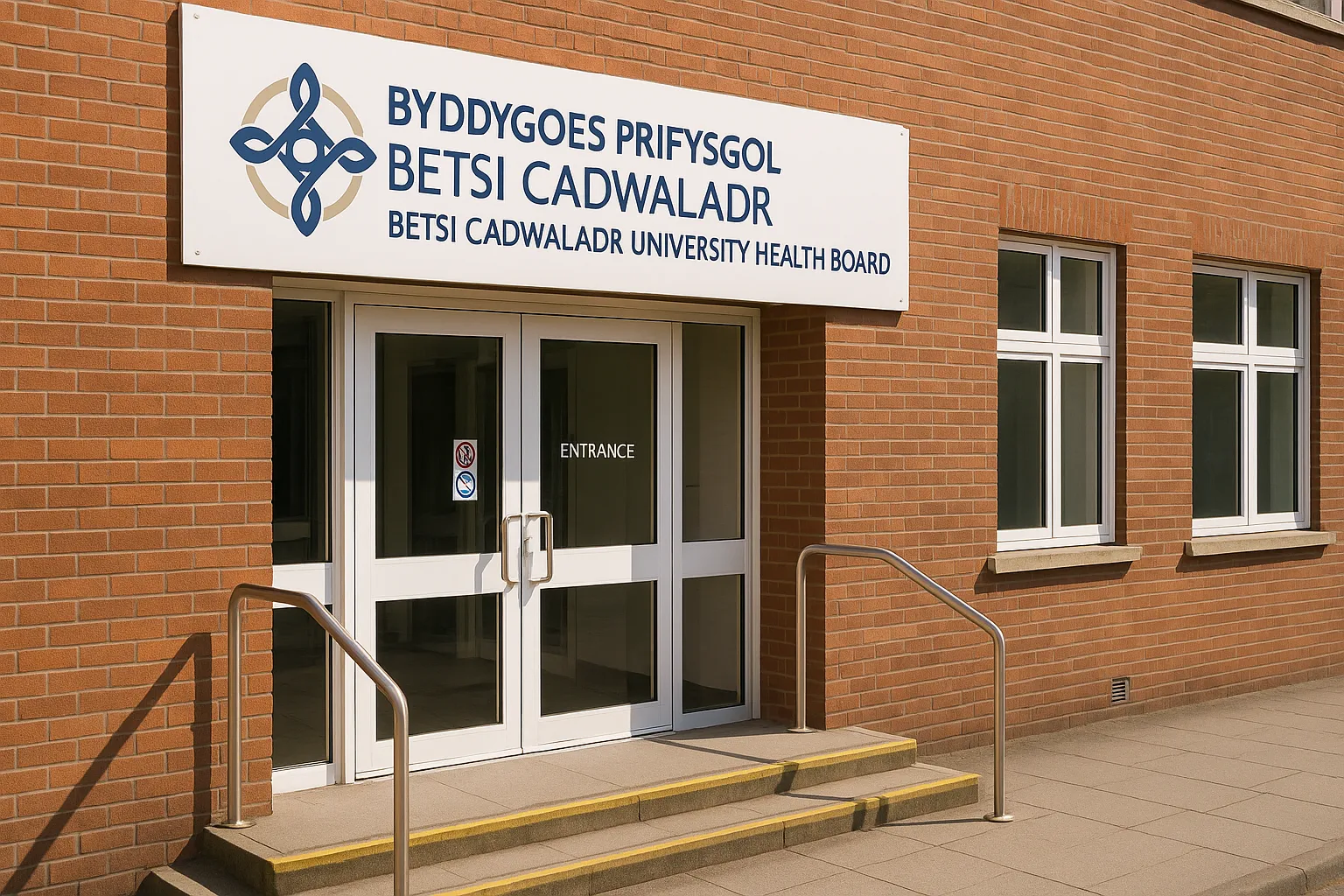
A group of women affected by problematic gynaecological surgeries conducted by an NHS surgeon has been awarded over £600,000 in compensation. The surgeon in question, Derek Klazinga, was affiliated with the Betsi Cadwaladr University Health Board in North Wales, where he worked from 2002 until 2016.
During this time, Klazinga performed surgical procedures using a controversial mesh implant intended to provide support for pelvic tissues in cases of incontinence or pelvic organ prolapse. However, the use of such implants has faced significant scrutiny, leading to a suspension of their application in the UK in 2018 due to serious safety concerns. This decision arose from widespread reports of adverse effects experienced by patients, many of whom continue to suffer chronic pain as a result of these procedures.
An investigation by the Welsh-language broadcaster S4C revealed that a total of 25 women have since been compensated, with seven receiving amounts totalling £600,000 since 2015. Among these women is 40-year-old Kerry Watson, from Kinmel Bay in Conwy. Watson underwent a bladder prolapse procedure in 2014 when she was just 29 years old, and her experience has been marked by prolonged suffering.
Watson disclosed that she now consumes around 120 tablets a week to manage persistent pain, and in 2024, she was diagnosed with post-traumatic stress disorder (PTSD) connected to her medical ordeal. Reflecting on her emotional turmoil, Watson stated, “I didn’t want to be here anymore. I couldn’t deal with the pain, I couldn’t deal with the thoughts I had. I was nobody, just a bag of pain. Ten long years of that. Ten long years.”
She described her immediate post-operative experience, stating, “When I woke up the next morning, I had this awful pain in my back, on the left side. The pain was off the scale. I’ve never felt anything like it.” Additionally, Watson recounted how complications from the surgery affected her daily life, including difficulties in play with her children, saying, “I was leaking when I exerted myself or tried to play with the boys or pick them up – I’ve got three boys.”
In 2023, Watson discovered a law firm’s website that was compiling cases related to surgeries conducted by Klazinga. Subsequently, she initiated her own claim against the Betsi Cadwaladr health board, which resulted in the opinion of a gynaecological expert stating that she had not needed the surgery. The expert indicated that alternative, less invasive treatments such as injections or a removable silicone device termed a pessary could have effectively addressed her symptoms.
Despite the health board disputing the effectiveness of injections for her specific case, they conceded that other non-surgical options, like the pessary, should have been proposed to Watson prior to surgery. Furthermore, the health board admitted that the consent process prior to her operation did not adhere to the expected standards of an adequately skilled practitioner.
Watson emphasised her lack of informed consent regarding the risks connected to using the mesh, expressing, “I wasn’t told about the risks involved with mesh. I didn’t receive the correct information before the surgery.” Her compensation was primarily based on the assertion that she was not given information about alternatives to the tension-free vaginal tape obdurator (TVT-O) mesh operation.
Watson initially rejected a lower compensation offer but later accepted a settlement of £110,000, which, after legal fees, left her with £97,200. Reflecting on this amount, she remarked, “Is that going to cover all those nights I’ll be up crying in pain? That doesn’t touch the sides, really.” Along with her, six other women shared their experiences with the S4C programme *Y Byd ar Bedwar* (The World on Four), revealing a common theme of inadequate consent and chronic pain affecting their lives.
The Betsi Cadwaladr health board has not disclosed the total compensation allotted to all 25 patients, citing confidentiality concerns, although they acknowledged having disbursed over £5 million in compensation over the past decade for errors in gynaecological treatments.
Solicitor Michael Strain, representing one of the claimants, described the situation as a shocking scandal, advocating for enhanced transparency. He highlighted the unusual nature of a single clinician being linked to such numerous claims without the board informing patients of these connections.
In 2021, Klazinga voluntarily removed himself from the medical register ahead of a scheduled fitness to practice hearing by the General Medical Council (GMC), which consequently did not proceed. In a statement, Klazinga expressed profound regret for the physical and psychological distress endured by these patients, attributing part of the issue to the use of medical products that were later revealed to be defective and subsequently banned in 2018.
He noted that his retirement predated these revelations and asserted that he had consistently prioritised patient care, adhering to medical principles throughout his practice. “I acted with the utmost professionalism and integrity,” he declared, stressing his unawareness of the products’ defects until after his retirement.
The specific manufacturers of the mesh products utilised by Klazinga remain unidentified. Nevertheless, several companies have made financial settlements related to complications from mesh surgeries, albeit without accepting liability. In multiple cases, health authorities conceded that patients were not adequately informed about alternative treatments or the potential risks associated with procedures prior to surgery.
Dr Clara Day, Executive Medical Director of BCUHB, apologised to all women who experienced complications as a result of mesh insertions. She acknowledged the resultant stress and pain that affected a subset of women within the health board’s reach. Since assuming her role in September of the previous year, Dr Day has become aware of historical claims tied to a clinician who departed in 2016. She stated, “In all cases we have followed the correct legal processes and sought to finalise those claims as quickly as possible, in the best interests of those patients.”
For those interested, the complete investigation is available on the S4C programme *Y Byd ar Bedwar*, including the episode titled *Dan Gyllell Klazinga* on BBC iPlayer, with English subtitles provided.
Our Thoughts
The incidents described highlight significant breaches of UK health and safety legislation, specifically regarding informed consent and patient care standards under the Health and Social Care Act 2008. To avoid the adverse outcomes experienced by the patients, Betsi Cadwaladr University Health Board should have ensured comprehensive training and adherence to guidelines around the use of vaginal mesh implants, especially considering the pause on their use due to safety concerns.
Key safety lessons include the necessity for thorough communication about alternative treatments and potential risks involved in surgical procedures, as mandated by the Care Quality Commission. Furthermore, regular audits of clinical practices and increased oversight of clinicians with multiple claims against them could have identified the issues earlier, preventing harm.
To prevent similar incidents, health services must prioritize patient education, ensure proper consent procedures are followed, and maintain transparent records of treatment options discussed. A proactive risk management approach, including regular training updates for healthcare providers on the latest clinical evidence and guidelines, is vital in safeguarding patient welfare and complying with health regulations.