

















Story Highlight
– Worker crushed by granite slabs at Blyth Marble Ltd.
– Steven White, 61, died during workplace accident.
– Company breached health and safety regulations in court.
– Lack of safety posts contributed to the incident.
– Blyth Marble has updated safety procedures post-incident.
Full Story
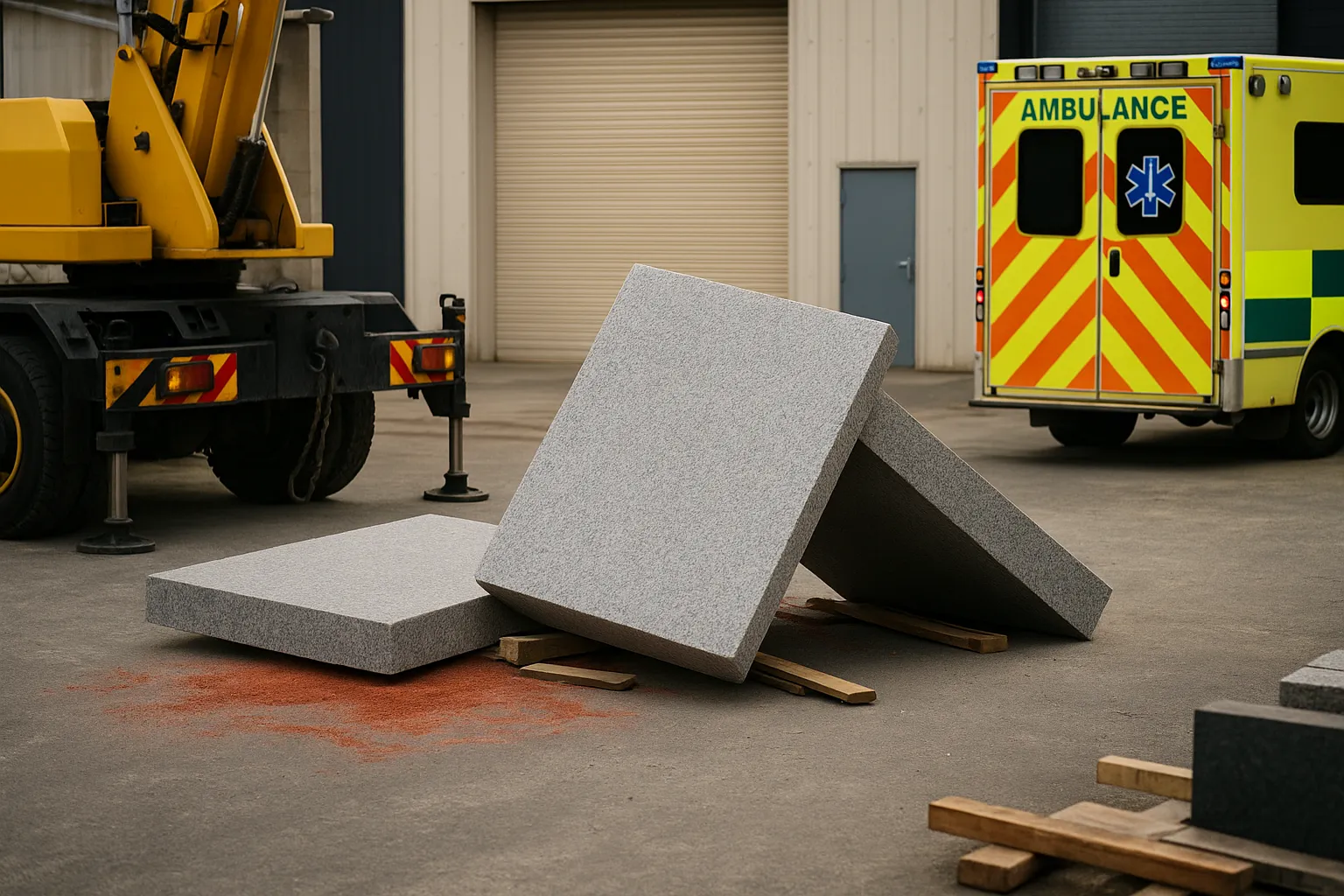
A tragic incident at Blyth Marble Ltd in Larkhall, Lanarkshire, resulted in the death of a worker after he was struck by falling granite slabs. The accident occurred while Steven White, a 61-year-old employee and father, was offloading materials from a lorry. The two granite blocks, each weighing approximately 95 kilograms, toppled over as he was using a mechanical lift.
Emergency services responded promptly to the scene following the accident, which took place in September of the previous year. Despite their best efforts to resuscitate him, Mr White was pronounced dead at the site. Blyth Marble Ltd, a prominent stockist of various stone materials including marble, granite, and quartz, has been operational since 1969 and is headquartered in Worksop, Nottinghamshire, distributing to various regions across Scotland and England.
The circumstances surrounding the incident have led to significant scrutiny of Blyth Marble Ltd’s health and safety practices. During proceedings at Hamilton Sheriff Court in South Lanarkshire, the company admitted to breaching health and safety regulations. Evidence presented in court indicated a lack of written guidance regarding the use of ‘safety posts’ which are critical to prevent such slabs from rolling or toppling during operational procedures.
Fiscal depute Blair Speed outlined the events leading to the fatal accident. He explained that the slab lifter had been improperly positioned atop the granite pieces, resulting in an unstable setup. As Mr White attempted to assess the situation, he was compelled to jump from the lorry due to the precarious tilt of the slabs. Unfortunately, while the crane operator continued to raise the lifting mechanism, the granite blocks fell, leading to Mr White sustaining lethal injuries.
The court also examined the machinery involved in the incident, determining that it had been inspected post-accident and deemed functional; however, the absence of robust safety measures was a crucial factor in the unfortunate outcome. The fiscal depute noted the substantially increased likelihood of danger when proper safety protocols are not adhered to.
In the wake of this tragedy, Blyth Marble Ltd has acknowledged the need for urgent improvements and updates in their safety protocols. Representing the company, Barry Smith KC expressed heartfelt condolences to Mr White’s family, reflecting on the profound regret felt by the organization for the incident. He noted that lessons learned from this event would lead to the implementation of stricter safety measures to prevent future occurrences.
The court has adjourned the sentencing of Blyth Marble Ltd, with Sheriff Michael Higgins indicating the need for further deliberation on the evidence before reaching a conclusion on the case. The anticipated sentencing next month is likely to address the company’s accountability in the death of Mr White, as well as their commitment to enhancing workplace safety.
This incident underlines the critical importance of adhering to safety regulations in workplaces, especially in industries that handle heavy materials. Experts in occupational health and safety have reiterated that the enforcement of stringent safety protocols can prevent such tragedies. They advocate for ongoing training for employees on the safe handling of materials and the proper use of safety equipment.
The death of Steven White serves as a stark reminder of the potential dangers present in manual labour environments, especially when operating heavy machinery or materials. Authorities and safety regulators are keen to ensure that lessons resulting from this incident lead to a reevaluation of safety practices across similar industries, aiming to safeguard the wellbeing of workers.
As the community mourns the loss of a life cut short, it is imperative for companies to reflect on their safety culture and practices, ensuring that they prioritize the protection of their employees above all else. Following this case, there is an expectation for a renewed commitment to health and safety protocols, which, if implemented effectively, could contribute to a reduction in workplace accidents.
While the details surrounding the accident at Blyth Marble Ltd are still being examined, the broader implications resonate strongly across the sector, as stakeholders reflect on their responsibilities towards employee safety. The forthcoming sentencing will likely resonate throughout the industry, underscoring the necessity for rigorous compliance with health and safety legislation to prevent future tragedies similar to the one experienced by the family of Steven White.
Our Thoughts
The tragic incident at Blyth Marble Ltd highlights several key areas for improvement in health and safety practices that could have prevented the fatal accident. Firstly, the absence of clear, documented procedures regarding the use of safety posts significantly increased the risk of slabs toppling over. According to the Health and Safety at Work Act 1974, employers are required to ensure, as far as is reasonably practicable, the health and safety of their employees. This includes providing adequate training and clear instructions on handling heavy materials.
Additionally, the company failed to implement a safe system of work. The risk assessment process should have identified the use of safety posts as critical when offloading heavy slabs. The lack of appropriate safety measures constitutes a breach of the Management of Health and Safety at Work Regulations 1999, which require proactive risk management.
To prevent similar incidents, all employers must ensure thorough training for workers, clearly documented safety protocols, and proper risk assessment processes are in place to address the hazards associated with heavy lifting. Regular reviews and updates of safety procedures should also be enforced to maintain a safe working environment.