
















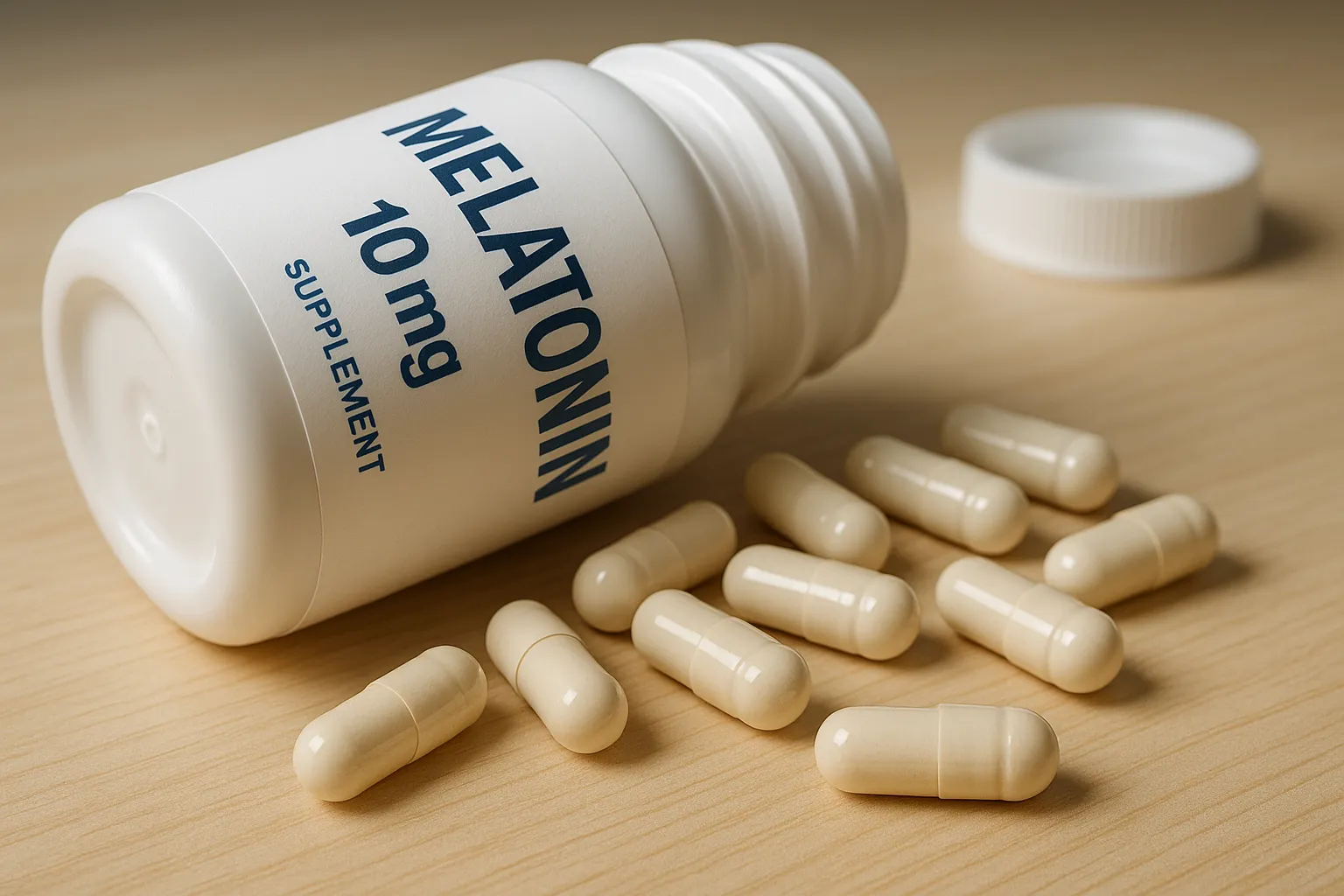
Story Highlight
– Melatonin supplements linked to increased heart failure risk.
– Users 90% more likely to develop heart failure in five years.
– Melatonin users hospitalized for heart failure 3.5 times more.
– Study suggests melatonin may not be harmless as assumed.
– More research needed to confirm findings and implications.
Full Story
A recent study from researchers in New York has raised concerns about the potential risks associated with the long-term use of melatonin supplements for individuals suffering from insomnia. The findings suggest that individuals who regularly consume these supplements may face a significantly higher risk of developing heart failure compared to those who do not use melatonin.
The analysis involved the examination of health records from over 130,000 adults diagnosed with insomnia who had taken melatonin for a duration of at least a year. The study found that melatonin users had a 90% increased likelihood of being diagnosed with heart failure within a five-year period compared to their non-melatonin-using counterparts. In addition to this alarming statistic, melatonin users exhibited a threefold increase in the likelihood of being hospitalized due to heart failure.
Dr. Ekenedilichukwu Nnadi, the lead author of the study and chief resident in internal medicine at SUNY Downstate/Kings County Primary Care in New York City, highlighted the implications of these findings. “Melatonin supplements may not be as harmless as commonly assumed,” he stated in a press release. He further suggested that if the association observed in the study is confirmed, it could have significant implications for how healthcare professionals provide guidance on the use of sleep aids.
The data also indicated that individuals who regularly used melatonin were nearly twice as likely to die from any cause within the same five-year timeframe when compared to non-users. Despite its over-the-counter availability in the United States, melatonin is prescribed only in the UK, where concerns about its safety have been compounded by these findings.
Conducted as an observational study, this research has not yet undergone peer review, leading independent experts to urge caution in interpreting the results. Dr. Chelsie Rohrscheib, a neuroscientist and head of sleep research at Wesper, who was not involved in the research, pointed out that the study demonstrates correlation rather than causation. “The study shows an association between melatonin use and heart failure, not necessarily that one causes the other,” she explained. “Further research is necessary to determine whether long-term melatonin usage itself is the underlying factor or if it is merely an indicator of pre-existing health conditions that may contribute to heart failure.”
As insomnia affects millions, the study’s findings are particularly relevant, especially given that around one in four Americans report taking melatonin supplements at least once each year. The cohort of the study comprised 130,828 adults, average age 56, with a significant proportion—over 61%—being female. Of these, around half had previously been prescribed melatonin, while a control group consisted of participants with insomnia who had never used the supplement.
The analysis revealed alarming statistics regarding heart failure risks. Among melatonin users, the chance of developing heart failure within five years stood at 4.6%, compared to 2.7% for non-users. In the UK, data indicated that individuals receiving two melatonin prescriptions at least 90 days apart faced an 82% increased risk of heart failure. Furthermore, hospitalization rates due to heart failure were substantially higher among melatonin users, at 19%, compared to just 6.6% for those who did not take the supplement.
Dr. Nnadi expressed surprise at the widespread prescription of melatonin for insomnia, highlighting that in the US, it is not officially indicated for this purpose and should not be taken chronically without appropriate medical guidance. Dr. Marie-Pierre St-Onge, who was not involved in the study but chairs the writing group for the American Heart Association’s scientific reports, echoed these sentiments, stressing the importance of proper medical oversight in the long-term use of melatonin.
Several caveats accompany the study, including limitations in the dataset which may not accurately reflect the totality of melatonin use. Dr. Rohrscheib noted that over-the-counter usage, dosage, and the quality of melatonin products are issues that complicate the reliability of such research.
In light of these findings, those experiencing chronic sleep issues are advised to consult their healthcare providers regarding potential health risks, including cardiovascular complications. The researchers acknowledged the need for further, more rigorous studies to clarify the relationship between melatonin use and heart health. “While our study exposes significant safety concerns regarding this commonly used supplement, it cannot establish a direct cause-and-effect scenario,” Dr. Nnadi concluded.


This is worrying and highlights the need for careful risk assessment when people use over the counter sleep aids. Employers and safety teams should ensure staff are aware that melatonin is not without potential harms and encourage anyone using it, especially those with cardiovascular risk factors, to seek medical advice. Review occupational health guidance on fitness for work and consider discussing alternative non pharmacological sleep strategies as part of wellbeing programmes.
Important to treat these findings seriously and not dismiss them as alarmist. Employers and safety officers should review any workplace policies that encourage use of over the counter sleep aids and ensure staff know to seek medical advice before starting melatonin, especially if they have cardiovascular risk factors. Occupational health can flag vulnerable workers for a medical review and consider non drug approaches to insomnia such as sleep hygiene, shift scheduling and access to cognitive behavioral therapy for insomnia.
This is a concerning finding that employers and safety teams should note. Many workers use over the counter sleep aids to manage insomnia, and if melatonin is linked to higher heart failure and hospitalization risk it could affect fitness for work, particularly in safety critical roles. Employers should ensure occupational health advice is available, review medication and medical declarations during assessments, and encourage staff to consult their clinicians before starting or continuing melatonin. In the meantime consider temporary adjustments for anyone starting melatonin such as closer monitoring, limiting safety critical duties until medical clearance is obtained, and reinforcing healthy sleep hygiene and non pharmacological alternatives.
This is concerning. Anyone using melatonin for sleep should review their need for it and discuss risks with a clinician, especially if they have cardiovascular risk factors or existing heart disease. Employers and safety managers should consider including guidance on over the counter sleep aids in wellbeing communications and occupational health assessments. Further research and clear clinical guidance are needed before changes are widely adopted, but caution and individual risk assessment are prudent now.