















Story Highlight
– Officials urge safe heating during UK cold spell.
– Main rooms should be heated to 18°C or higher.
– Vulnerable populations face increased health risks from cold.
– Energy-saving tips include using thermostats and draught-proofing.
– Community support vital for managing cold-related issues.
Full Story
As winter temperatures continue to plummet across the United Kingdom, authorities and energy specialists are emphasising the importance of ensuring homes are heated safely, while also looking out for those in vulnerable situations. This latest cold snap has heightened concerns related to rising energy expenses, potential health issues, and the risk of fires as households revert to indoor heating methods and cooking, prompting a renewed focus on practical solutions for staying warm in an affordable and safe manner.
For many, the pertinent question arises: how can one maintain warmth without jeopardising health or incurring exorbitant heating costs? This situation not only poses an economic challenge for families but also represents a significant public health concern, as colder weather has the potential to increase strain on emergency services, particularly affecting older individuals and those with existing medical conditions.
**The Importance of Guidance During Cold Weather**
Cold weather has been shown to elevate the likelihood of serious health issues such as heart attacks, strokes, and respiratory illnesses. Public health officials recommend that individuals maintain a temperature of 18°C or above in their primary living spaces, especially for older adults and those managing long-term health issues. Even brief exposure to colder environments can escalate health risks, underscoring the urgency of these recommendations during periods of low temperatures.
As energy prices remain a source of anxiety for many households, with fluctuating price caps over the last two years, financial prudence in heating becomes paramount. Experts urge individuals to consider practical measures to ensure their home environment is both warm and safe.
**Safety-First Heating Solutions**
According to specialists, the heating process can begin with simple adjustments to thermostats and timers. Ideally, living spaces should be heated to a minimum of 18°C, with bedrooms warmed prior to nightly rest. Employment of heating programmers can ensure that heating is used judiciously, operating only when necessary rather than throughout the day.
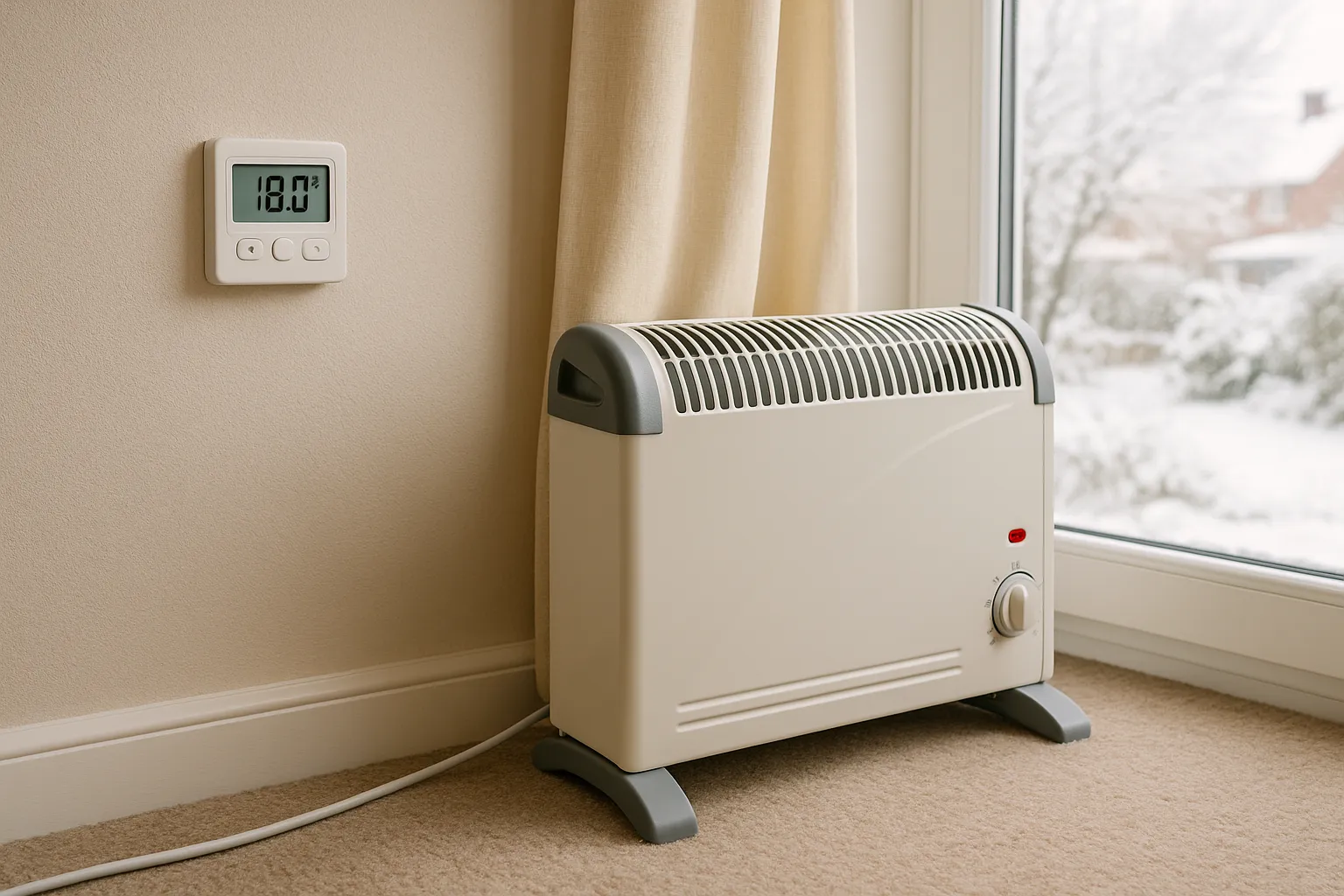
While space heaters can serve as an effective means of supplementary heating, adherence to safety guidelines is critical. These devices should be placed on stable, flat surfaces and must be positioned at least one metre away from any flammable materials, including curtains, bedding, and furniture. They must never be used to dry damp clothing and should not be left unattended while in use or running in empty rooms. When employing gas or solid-fuel heating appliances, it is crucial to ensure that vents remain unobstructed. Functional carbon monoxide detectors are essential; these should be tested monthly with batteries replaced as necessary.
Additional measures such as bleeding radiators to promote even heating, shutting doors in unused rooms to retain warmth, and utilising draught excluders around windows and doors can further enhance energy efficiency. Residents are encouraged to wear layered clothing and use blankets to maintain warmth without relying solely on heating systems throughout the day. Electric blankets should be carefully inspected for any signs of damage and should not be used concurrently with hot water bottles; instructions provided by manufacturers should always be followed, with those meant for overnight use turned off before sleep.
**Cost-Effective Heating Without Compromising Safety**
To maximise efficiency, energy consultants suggest prioritising heating in the rooms where time is spent most. It is advisable to warm living spaces in the evening and bedrooms just prior to bedtime. Minor adjustments, such as lowering the thermostat by one degree, can provide savings, though it is critical that temperatures do not fall below 18°C if elderly individuals or those with health concerns reside in the home.
For those concerned about heating expenses, various forms of assistance may be available; eligible households might qualify for the Warm Home Discount, Winter Fuel Payment, or Cold Weather Payments. Local councils and charitable organisations frequently operate “warm hubs” and may offer grants or blanket distributions. Citizens Advice and other local energy advisory services can assist individuals in identifying available support.
Simple improvements to home insulation can also make a notable difference. Effective solutions include investing in thick curtains, lined blinds, and accessing draught-proofing services for chimneys and letterboxes, which help mitigate heat loss. It remains vital to ensure that hot water cylinder thermostats are set at a safe yet efficient level. Regular servicing of boilers is also advisable to minimise the risk of breakdowns during bitterly cold spells.
**Identifying Health Risks and At-Risk Populations**
Living in cold conditions can exacerbate existing medical issues, including asthma, chronic obstructive pulmonary disease (COPD), and heart ailments. Populations particularly vulnerable include infants, the elderly, and individuals with disabilities. Extended exposure to low temperatures can lead to hypothermia, a condition that may not be immediately evident. Symptoms to watch for include shivering, cognitive confusion, slurred speech, and excessive drowsiness. Should these warning signs be observed, it is imperative to warm the individual gradually and seek medical assistance promptly.
It is also crucial for communities to check in on neighbours, especially those living independently. A simple visit can vastly improve someone’s situation and potentially avert serious health concerns. Additionally, medical professionals note that indoor air quality often deteriorates during the winter months. It is advisable to air out rooms briefly each day to combat moisture and dampness without significantly lowering the ambient temperature.
**Recommendations from Health Officials**
In response to the cold weather, public health authorities recommend proactive planning for chilly nights by ensuring that basic medical supplies are stocked and maintaining a supply of food and warm beverages at home. Dressing in layers and utilising appropriate bedding is also encouraged to retain heat. Households should prioritise wearing indoor slippers to reduce heat loss through flooring.
Fire safety remains a critical concern during colder months. Fire services advocate for regular testing of smoke alarms, ensuring that emergency exits remain clear, and caution against using outdoor barbecues or camping equipment for indoor heating. When utilising candles, especially during power outages, ensure they are secured in stable holders and placed away from flammable items.
**Future Outlook**
Weather forecasts indicate that the UK will likely experience more short-lived cold spells as winter progresses. Adhering to established best practices—such as heating essential rooms, using alarms, and implementing measures to limit draughts—will be vital. Those apprehensive about rising energy bills are encouraged to communicate early with their providers and local support organisations. With adherence to safe heating guidelines, cost-effective measures, and a sense of community, households can effectively combat the cold while minimising associated health risks. In the approaching days, preparation and community connectivity can significantly enhance safety and well-being for all.
Our Thoughts
To mitigate risks associated with cold weather heating practices, several safety lessons can be drawn from the article. Firstly, adherence to the Health and Safety at Work Act 1974 emphasizes the importance of ensuring a safe working and living environment, which includes maintaining adequate heating and minimizing risks from heating appliances.
The article highlights regulations relating to the use of electrical appliances, such as the Electricity at Work Regulations 1989, which require proper maintenance and safety checks on devices, including regular testing of carbon monoxide alarms and ensuring gas appliances are vented correctly.
Key preventative measures include educating the public on safe heating practices, such as maintaining living temperatures at 18°C for vulnerable individuals and ensuring space heaters are placed away from flammable materials. Additionally, promoting community check-ins for those at risk can align with the responsibilities outlined in the Management of Health and Safety at Work Regulations 1999, ensuring that appropriate measures are in place to safeguard health, especially for the elderly and those with medical conditions.
Overall, enhancing public awareness and compliance with health and safety regulations can significantly reduce the risks posed by cold weather heating practices.