
















Story Highlights
– Worker lost part of foot due to machinery accident.
– Company fined £500,000 for safety violations.
– Failure to prevent access to dangerous machinery parts.
– HSE emphasizes need for effective safety measures.
– Investigation revealed inadequate risk assessment conducted.
Full Story
A York-based animal feed manufacturer has faced legal consequences following a serious workplace accident that resulted in a worker losing part of his foot due to inadequate safety measures. William Thompson (York) Limited was fined £500,000 after the incident, which highlighted significant shortcomings in the company’s adherence to health and safety regulations.
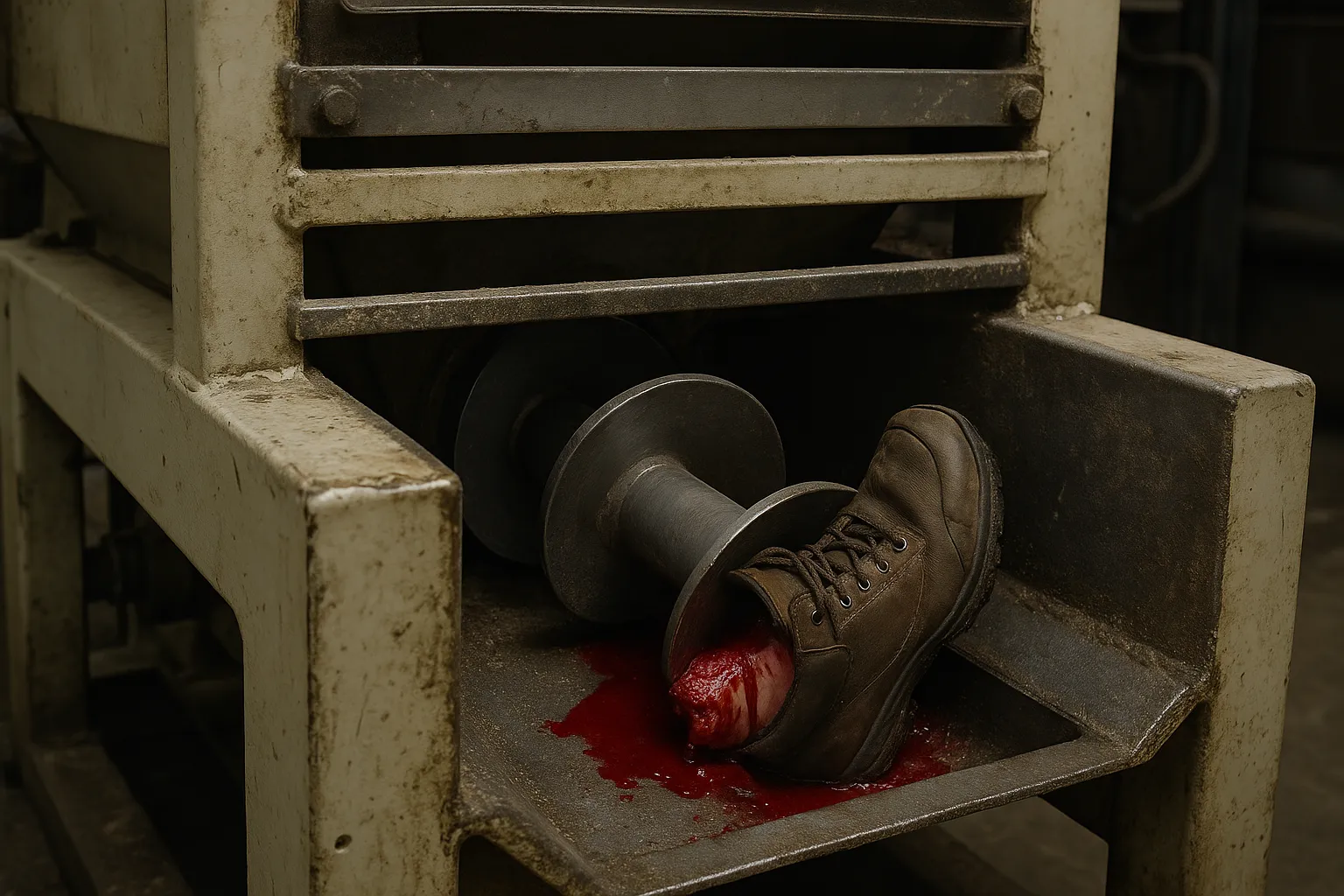
On 14 November 2023, a 41-year-old supervisor at the firm’s Jubilee Mill site was attempting to troubleshoot a malfunction in the machinery when the accident occurred. The supervisor opened a press while the machine was still operating at considerable speed. This action led to his foot becoming caught in a rotating auger, a machine component designed to transport excess feed. The injuries sustained were severe enough to require the worker to be hospitalised for six weeks.
An investigation by the Health and Safety Executive (HSE) revealed that the company had neglected its responsibility to implement proper safety measures to prevent employees from accessing hazardous areas of the machinery. Specifically, the failure to adequately guard the rotating auger contributed to the incident. HSE’s guidelines emphasise that employers are obligated to take effective steps to prevent access to dangerous machinery components, typically through fixed guarding. In situations where ongoing access is required, interlocked guards should be installed to halt machinery movement before personnel can approach potentially hazardous areas.
Evidence from the investigation, which included CCTV footage, indicated that the protective measures in place were woefully inadequate. The footage showed that only minimal guarding was installed above the auger, insufficient to prevent the worker’s foot from slipping through to the moving blade below.
At York Magistrates’ Court on 18 November 2025, William Thompson (York) Limited pleaded guilty to violating Section 2(1) of the Health and Safety at Work Act 1974. Alongside the £500,000 fine, the company was also ordered to cover £4,455 in legal costs.
HSE Inspector Shauna Halstead commented on the severity of the incident, stating: “This company’s failures resulted in a man sustaining life-changing injuries. Too many workers are injured or killed every year because of failures to guard dangerous parts of machinery. Companies must implement safe working practices when carrying out maintenance operations. We will not hesitate to take action against companies which do not do all they should to keep people safe when working with machinery.”
This case serves as a stark reminder of the critical need for employers to rigorously enforce safety measures in the workplace, particularly in environments involving heavy machinery. The HSE continues to advocate for improved health and safety protocols to mitigate the risks faced by workers across various industries.
In the wake of this case, industry experts are urging similar companies to review their safety procedures and ensure that they are in line with current regulations. Health and safety organisations suggest that regular training sessions for employees, coupled with ongoing machinery assessments, could greatly reduce the likelihood of accidents.
Local advocates for workplace safety have expressed their relief at the court’s decision but underscored the importance of proactive measures to create safer working environments. They note that while fines and penalties can act as deterrents, a cultural shift towards prioritising employee safety is essential for long-term change.
This incident echoes a broader trend in various sectors where machinery-related accidents continue to result in serious injuries. Recent statistics from the HSE reveal that machinery-related incidents represent a significant portion of workplace injuries, emphasising the need for stringent compliance with safety regulations.
The HSE, as Britain’s foremost health and safety regulator, emphasises the importance of ongoing vigilance in workplaces across the nation. They encourage employers to familiarise themselves with the Provision and Use of Work Equipment Regulations 1998 (PUWER), which outline essential safety requirements for using and maintaining equipment in the workplace.
In responding to the evolving safety landscape, the HSE urges all stakeholders, from employers to employees, to engage in continuous dialogue about safety practices. By fostering a culture of safety and accountability, businesses can work towards preventing future incidents and ensuring the welfare of their workforce.
This case also highlights the role of regulatory bodies in enforcing compliance and promoting best practices within the industry. The legal repercussions faced by William Thompson (York) Limited serve not only as a punishment for their negligence but also as a warning to other companies about the potential consequences of overlooking employee safety.
The HSE remains committed to enforcing safety standards across various sectors, with a focus on reducing workplace injuries and fatalities. By emphasising accountability and the implementation of robust safety measures, the HSE aims to create safer environments for all workers.
As Britain continues to navigate the complexities of workplace safety, this incident at William Thompson (York) Limited underscores the necessity for stringent adherence to health and safety protocols, an ongoing commitment to employee welfare, and the pursuit of comprehensive strategies to mitigate risks associated with machinery use.


This tragic incident is a stark reminder that basic machine guarding and safe systems of work are not optional. Employers must ensure machinery is properly guarded, lockout and isolation procedures are in place and enforced, and staff are trained and competent to carry out troubleshooting safely. Regular risk assessments, routine maintenance and active supervision are essential to identify hazards before someone is harmed. Compliance with legislation and visible leadership on safety save lives and prevent devastating outcomes for workers and their families.