
















Story Highlight
– Study shows CBD can reduce dog aggression levels.
– Dogs on CBD displayed less intense aggressive behaviors.
– CBD use linked to increased age and health issues.
– Legal in US, but not authorized in the UK.
– Caution needed due to potential side effects and dosage.
Full Story
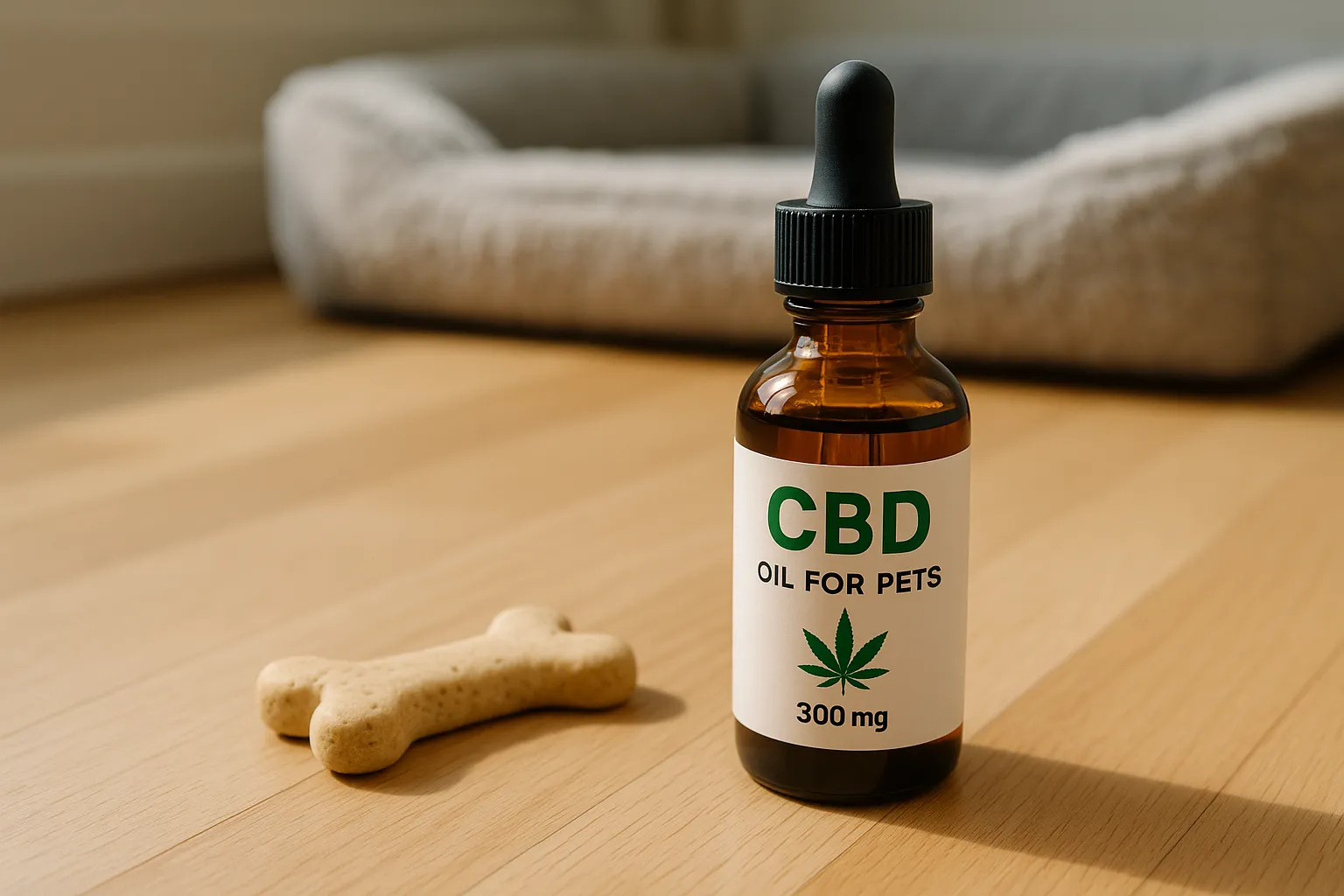
Research into the potential benefits of Cannabidiol (CBD) for pets has emerged as a nuanced area of interest, particularly concerning its effects on canine aggression. A recent study suggests that CBD, a compound derived from hemp and marijuana, may help reduce aggressive behaviours in dogs while offering insights into broader applications in animal behaviour management.
The study, which draws on considerable data from the Dog Aging Project—a comprehensive longitudinal study involving over 47,000 dogs—aims to shed light on the implications of CBD consumption in dogs. The project involved annual surveys conducted from 2019 to 2023, where pet owners provided detailed information about their dogs’ diets, lifestyles, health, and living conditions, including the frequency of CBD usage.
According to findings, approximately 7.3 percent of surveyed dogs had been administered CBD at some point, with 5.8 percent reported as frequent users. This subset displayed a noted decrease in aggressive behaviours compared to those who did not receive CBD, suggesting its potential utility in dog training and behaviour therapy. Researchers assert that CBD might have a calming effect on dogs, thus diminishing the intensity of aggression.
Professor Julia Albright, a veterinarian from the University of Tennessee and a co-author of the study, indicated that aggression in dogs is often linked to underlying stress or anxiety. “Most canine aggression is related to underlying stress or anxiety – a fight or flight response that kicks in,” Albright explained. However, the study found that while aggression levels dropped in dogs receiving CBD, other behavioural indicators such as anxiety did not show the same promising trends. This raises questions regarding why CBD appears less effective in alleviating other anxious behaviours.
The study’s authors also noted that dogs involved in the research who received CBD tended to be older, with an average age three years higher than dogs that did not use the supplement. This demographic detail highlights a connection between canine age and CBD usage, as older dogs may face various health challenges, including dementia (18.2 percent of CBD users), osteoarthritis (12.5 percent), and cancer (10 percent), all of which may lead pet owners to seek alternative therapies.
In the United States, the legal backdrop surrounding CBD has evolved significantly since the passing of the Agriculture Improvement Act in 2018, which has led to an increased acceptance and accessibility of hemp-derived products. While CBD is legal for pets across all states, it is important to note that veterinary professionals are restricted in their ability to recommend or administer these products due to regulatory limitations. As it stands, no CBD products have received approval from the FDA for veterinary use, which raises concerns about safety and efficacy in pets.
In the UK, the situation is markedly different, as CBD products are not yet authorised for veterinary use. The absence of approved veterinary formulations means that pet owners are left with little guidance regarding the appropriate dosing and potential side effects of CBD in dogs. Although there is no evidence that CBD is harmful to dogs, organisations like the Blue Cross urge caution, highlighting the necessity of consulting a veterinarian before introducing any new supplement.
Despite the promising findings surrounding CBD, pet owners must be aware that the compound can lead to side effects ranging from gastrointestinal upset to diarrhea. Additionally, research remains limited regarding the appropriate dosages and potential interactions with other medications. Studies have indicated that while some dogs with arthritis might experience less pain and increased activity after CBD treatment, the consensus among experts is that there are still many uncertainties related to the overall benefits of CBD for canine health.
Maxwell Leung, an assistant professor at Arizona State University and co-author of the research, noted the broader implications of their findings. “There are many similarities in how CBD can benefit dogs and humans medically,” Leung stated, suggesting that additional research might open pathways for understanding how CBD can address health issues across species.
As pet owners consider the incorporation of CBD into their dogs’ regimens, the importance of sourcing reliable products cannot be overstated. The variability in product quality can be significant, underscoring the necessity of selecting trusted manufacturers. Furthermore, the distinction between CBD and tetrahydrocannabinol (THC) must be clarified. While THC, the psychoactive component of cannabis, is responsible for the “high” associated with marijuana, CBD does not produce these effects and instead is thought to mitigate anxiety and inflammation.
As the conversation around CBD continues to develop, it is essential for pet owners to remain informed and cautious. The research presents an initial framework for exploring the potential veterinary applications of CBD, but the need for rigorous testing and regulatory approval remains paramount. Until the landscape becomes clearer, engaging with veterinarians for tailored advice is the most prudent course of action for those considering CBD supplements for their canine companions.
Our Thoughts
The article highlights the increasing interest in CBD use for dogs, yet notes the lack of authorized products and adequate research in the UK. Key safety lessons emphasize the importance of veterinary consultation before administering any supplement to pets. Relevant regulations, such as the Veterinary Medicines Regulations (VMR) and the Animal Medicines Regulations (AMR), underscore that only authorized products should be used, which CBD is not in the UK at this time.
To avoid potential health risks, proactive measures could include stricter regulations on the marketing of unlicensed products and clearer communication to pet owners regarding dosage and safety implications.
Furthermore, the Veterinary Surgeons Act requires veterinary professionals to act in a pet’s best interest, including advising against unproven treatments like CBD unless validated by clinical evidence. Future incidents could be prevented by promoting evidence-based practice, ensuring products undergo rigorous testing for effectiveness and safety, and maintaining professional guidelines that discourage non-licensed treatments.
Overall, awareness and adherence to existing regulations regarding veterinary medicines are crucial to safeguarding animal health in the context of emerging supplements like CBD.