















Story Highlight
– Over a third of Ajax vehicles linked to new injuries.
– Thirty soldiers reported symptoms during recent training exercise.
– Minister stated no hospitalizations were necessary.
– General Dynamics employee attributed issues to crew errors.
– Company initiated internal investigation regarding employee comments.
Full Story
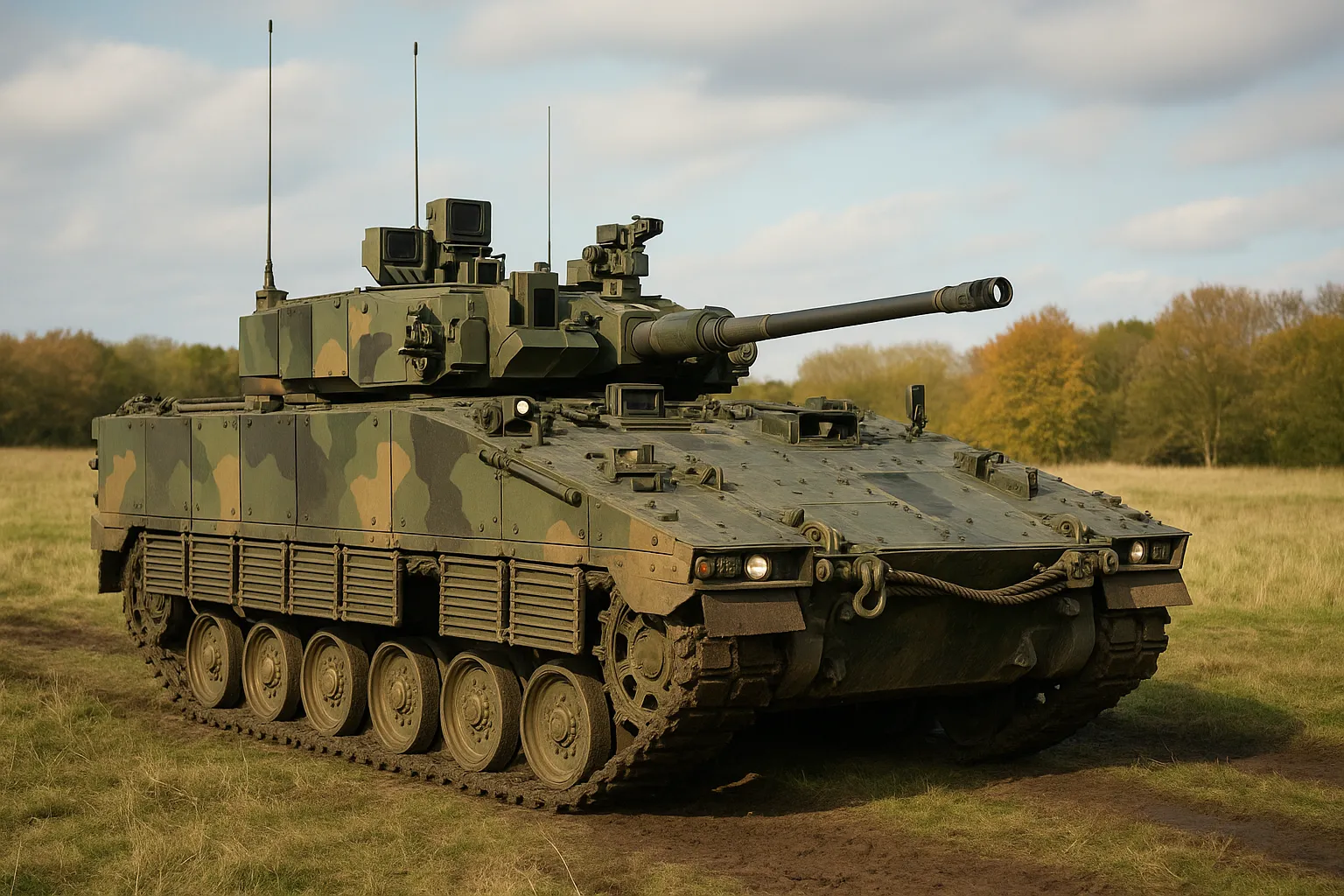
Concerns have emerged regarding the use of Ajax vehicles during a recent training exercise by the British Army, with reports indicating that over a third of the fleet may be associated with new cases of noise and vibration-related injuries among personnel. These developments come at a critical juncture, as government ministers have expressed their willingness to explore all potential avenues regarding the programme’s future.
A statement provided in the House of Commons on 4 December revealed that during the exercise conducted on 22 November, 30 soldiers reported experiencing symptoms potentially linked to 23 of the Ajax family vehicles involved. With a total of 61 vehicles participating in the exercise, this suggests that approximately 38% were implicated in the reported issues.
In a parliamentary response, Luke Pollard, Minister of State at the Ministry of Defence, confirmed that while the symptoms presented by the soldiers were concerning, none were severe enough to necessitate hospitalisation. He noted that the training activity was suspended within thirty minutes to ensure that the personnel could access medical aid promptly, emphasising that “the safety of personnel is a top priority”.
The implications of these findings are significant, particularly as ministers have indicated a potential re-evaluation of the Ajax programme. Inside sources within the Defence sector have suggested that officials may be poised to consider terminating the programme if both the ongoing inquiry by the army and a distinct safety investigation uncover fundamental flaws. A senior Defence official remarked, “I will take whatever decisions are required” based on the results of these inquiries.
The growing number of vehicles linked to these injury reports raises questions about the effectiveness of recent modifications intended to address enduring issues of vibration and noise. The situation has drawn further attention following the comments of a senior employee at General Dynamics UK, the company responsible for the Ajax programme. This individual, who has extensive experience in testing and acceptance procedures for the vehicles, posted on a prominent Facebook group that many of the reported issues were attributable to operator error, inadequate maintenance, and flaws in command structure. His remarks reignited discussions among soldiers and personnel regarding the persistent shortcomings associated with the Ajax fleet.
The individual, identified as an Acceptance Manager, stated, “apart from coolant leaks, everything else is user driven or command shortfall”. Given the seniority of the employee within the contracting firm, these comments quickly gained traction and sparked considerable debate about the responsibility for the deficiencies reported.
In response to the controversy, General Dynamics UK was approached for clarification regarding whether the statements made by the employee represented the company’s views or if an internal review would be forthcoming. The firm released a statement asserting that it takes the matter seriously and that the opinions shared by the individual do not align with the company’s values. The statement further expressed profound respect for the service members who protect the nation and its allies, reaffirming the company’s commitment to delivering equipment that meets rigorous safety standards. It also noted the company’s collaborative efforts with the Ministry of Defence in providing and supporting the Ajax family of vehicles, highlighting a mutual commitment to protecting the safety and wellbeing of service personnel. An internal investigation was initiated to address the comments, aimed at ensuring appropriate actions align with the company’s human resources policies.
The timing of these remarks is particularly critical, given that government officials appear to be prepared to make substantial decisions about the future of the Ajax programme. With new data reflecting that a noteworthy proportion of vehicles still suffer from noise and vibration complications during active training, the consequences of these ongoing issues could have far-reaching implications for the programme’s continuation.
The Ajax programme, aimed at providing advanced armoured vehicles equipped with superior technology, has been fraught with challenges since its inception. The need for a thorough investigation into the operational safety of these vehicles has never been more pressing, as fatalities and injuries related to vehicle performance could have detrimental effects on troop readiness and morale.
As the ongoing review processes unfold, the potential for significant changes or even an overhaul of the programme remains a live issue. With serious questions surrounding the adequacy of existing solutions to mitigate the vehicles’ issues, stakeholders are watching closely to see how the Ministry of Defence and its contractors will respond to these alarming developments.
The outcome could determine not only the future of the Ajax vehicles but also set a precedent for how similar defence projects are managed in the UK. In the face of these dual inquiries and the health and safety of service members at stake, timely and transparent communication from both government and industry leaders will be essential in navigating this complex situation.
Our Thoughts
To prevent the reported noise and vibration injuries during the Ajax vehicle training exercise, a more rigorous risk assessment process should have been implemented in accordance with the Management of Health and Safety at Work Regulations 1999. This would involve assessing the potential impact of noise and vibration on personnel and implementing appropriate control measures, such as enhanced vehicle designs or improved training protocols.
Additionally, the Control of Noise at Work Regulations 2005 requires that employers take action to prevent or reduce risks to health from noise exposure. Modifications to the vehicles should have been thoroughly tested to ensure compliance with these regulations before the exercise occurred.
The communication from a senior employee at General Dynamics regarding crew error suggests a potential lack of adequate training and supervision, which could indicate breaches of the Health and Safety at Work Act 1974 that mandates employers ensure the health, safety, and welfare at work of all employees.
Key lessons here emphasize the importance of addressing systemic issues related to equipment safety and ensuring that all personnel are adequately trained in maintaining and operating the vehicles to prevent future incidents. Regular review processes and safety audits of modifications can also mitigate similar occurrences.