
















Story Highlight
– High energy drink intake linked to increased stroke risk.
– Case study involved a man with severe hypertension.
– Stopping energy drinks normalized patient’s high blood pressure.
– Concerns about energy drinks’ health effects on youth.
– Calls for stricter regulation and awareness campaigns.
Full Story
A growing body of medical opinion indicates that high consumption of energy drinks may be linked to an increased risk of stroke. Health professionals are expressing concerns over the potential impact of these beverages, particularly on younger populations. The findings stem from a case study involving a typically healthy man in his 50s, treated for a stroke by clinicians at Nottingham University Hospitals NHS Trust.
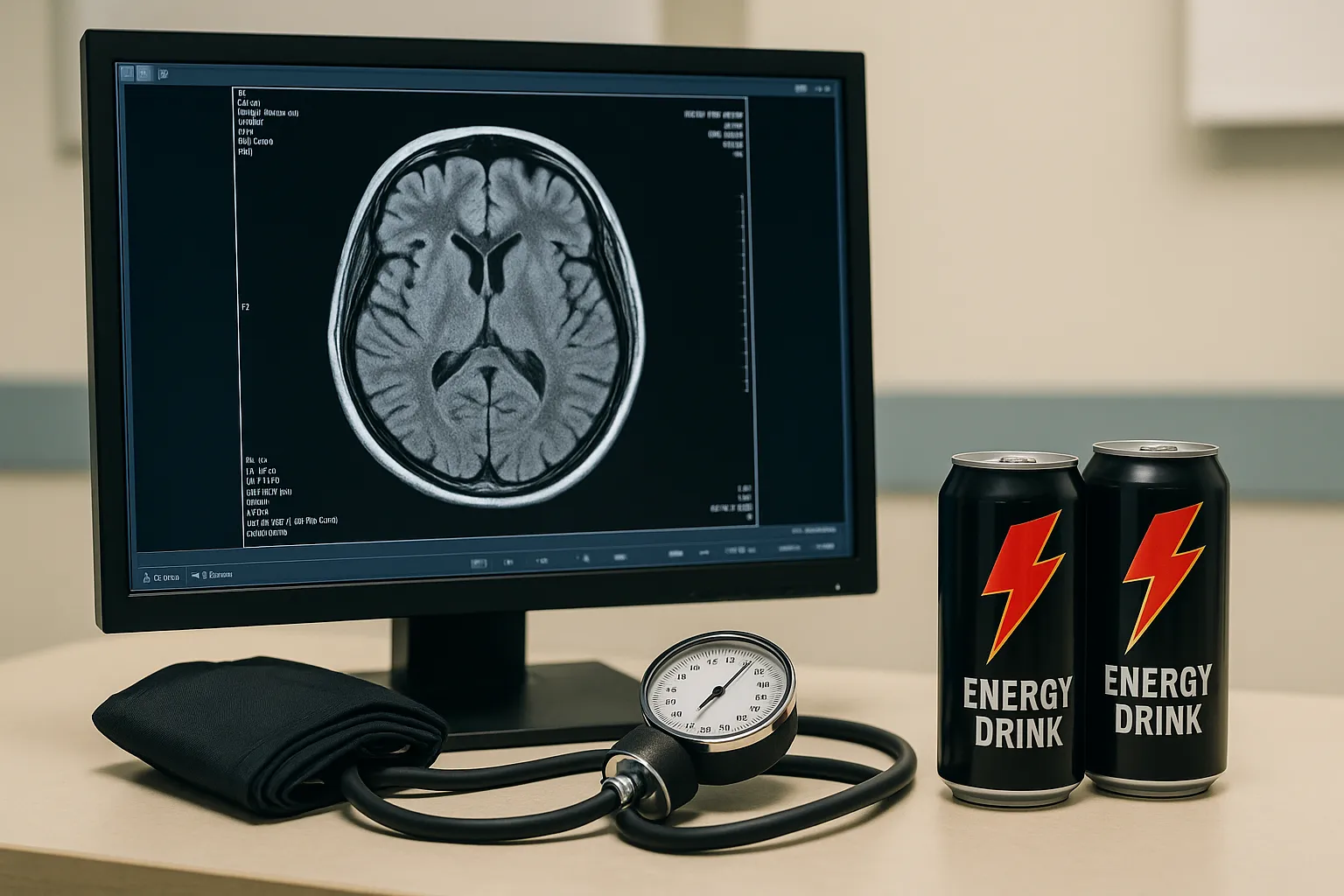
Upon hospital admission, the patient displayed alarming symptoms, including sudden weakness on his left side, difficulties with balance, and problems with his speech and swallowing. An MRI scan confirmed the diagnosis of an ischaemic stroke, which is characterised by the obstruction of small blood vessels that supply blood to the brain. Notably, the man’s blood pressure was recorded at a critical level of 254/150mmHg—far exceeding the normal range of 90/60mmHg to 120/80mmHg. The NHS classifies high blood pressure as 135/85mmHg or higher for home measurements, and 140/90mmHg or greater in clinical settings.
In medical literature published in BMJ Case Reports, the treating physicians elaborated on the patient’s condition. Initially, he was prescribed medication in hospital to decrease his blood pressure, resulting in a temporary reduction. However, upon returning home, the man’s blood pressure levels began to rise again, remaining persistently high even with additional medications. When questioned during a follow-up appointment, he revealed that he had been consuming an average of eight cans of energy drinks daily, each containing 160mg of caffeine per 16 fluid ounces. This amounted to an estimated daily intake of 1200-1300mg of caffeine, substantially above the recommended maximum of 400mg per day.
After ceasing his consumption of energy drinks, the patient’s blood pressure returned to a normal range, and he no longer required medication for blood pressure management. Remarkably, just one week post-abandonment of these drinks, his blood pressure readings stabilised around 120 to 130mmHg/80mmHg. The physicians concluded that it was likely the patient’s excessive intake of energy drinks contributed to his secondary hypertension and subsequent stroke. “As our case and discussion illustrate, it is possible that both acute and chronic intake of energy drinks may increase cardiovascular disease and stroke risk,” they noted.
While the evidence on the relationship between energy drink consumption and health risks is still emerging, the authors call for greater scrutiny. They suggested enhanced regulation surrounding the sales and marketing of energy drinks, particularly as advertising campaigns often target younger demographics. Additionally, they recommended that healthcare professionals inquire specifically about energy drinks when assessing young patients with symptoms of stroke or unexplained hypertension.
Reflecting wider public health concerns, the UK Government announced plans to ban the sale of high-caffeine energy drinks to individuals under 16, citing adverse health implications for children. The man affected by the stroke reflected on his long-term health consequences, stating that he still experiences residual symptoms, including numbness in parts of his body eight years later. “I obviously wasn’t aware of the dangers drinking energy drinks was causing to myself,” he said. “I have been left with numbness in my left hand, fingers, foot, and toes even after eight years.”
Energy drinks are known to vary significantly in their caffeine content, with the average drink containing around 80mg of caffeine per 250ml. For comparison, a cup of tea contains approximately 30mg of caffeine, while coffee can contain up to 90mg. However, certain energy drinks can contain concentrations of caffeine exceeding 500mg in a single serving. Such figures highlight the potential risks associated with these popular beverages.
Many energy drinks include ingredients that may also contain caffeine, such as guarana, which is reported to have caffeine concentrations double that of coffee beans. The cumulative effect of caffeine alongside these other components, including taurine and ginseng, is thought to exacerbate the risk of cardiovascular issues and stroke by increasing blood pressure through various mechanisms.
In response to these public health discussions, a spokesperson for the British Soft Drinks Association, which is backed by industry funding, stated that the European Food Safety Authority has verified the safety of energy drink ingredients. “There is no scientific justification to treat energy drinks differently than other main sources of caffeine, such as tea, coffee, and chocolate,” the spokesperson remarked. Current food regulations dictate that products with high caffeine content must include a warning label indicating their caffeine levels and that they are unsuitable for specific vulnerable groups.
The debate surrounding energy drinks’ safety and regulation continues to unfold within the context of public health. The attention drawn to the potential risks associated with excessive consumption may lead to further scrutiny from health authorities and provoke ongoing discussions about the consumption habits of the population, particularly among younger individuals. As this issue remains under examination, it is clear that both individuals and healthcare professionals must be vigilant regarding the consumption of these potent beverages.
Our Thoughts
This case highlights several areas where health and safety practices could be improved to prevent adverse health outcomes related to energy drink consumption.
Firstly, enhanced regulation of energy drink sales, particularly to minors, is vital. The recent government announcement to ban high-caffeine energy drinks for under-16s addresses this, but further restrictions could consider limiting marketing strategies that promote excessive consumption among all age groups.
Secondly, awareness campaigns should be implemented to educate consumers about the dangers of high caffeine intake and its potential health risks, such as high blood pressure and stroke. This aligns with the Health and Safety at Work Act 1974, which requires employers to ensure the health and safety of their employees and could extend to promoting public health awareness.
Additionally, healthcare providers should incorporate comprehensive dietary inquiries into routine assessments, particularly for patients presenting with hypertension or cardiovascular symptoms, under the regulations of the Care Quality Commission. This could lead to earlier identification and intervention in cases of dangerous consumption patterns.
Overall, increasing awareness and regulation surrounding energy drink consumption can significantly reduce risks associated with their high caffeine content.