
















Story Highlight
– Grandmother died from Legionnaires’ disease after hot tub use.
– Family claims death was preventable, citing safety failures.
– Symptoms included pneumonia and illness in several relatives.
– Inquest confirmed Legionella contracted from poorly maintained hot tub.
– Family seeks to raise awareness about hot tub safety.
Full Story
The tragic case of a grandmother, Paulette Crookes, who passed away due to Legionnaires’ disease after celebrating her 70th birthday in a hot tub has led to serious scrutiny regarding health and safety regulations surrounding such amenities. The family of Mrs Crookes, who was enjoying a holiday with ten relatives at Tapnell Farm on the Isle of Wight in February 2020, described her sudden and unforeseen death as “entirely preventable.”
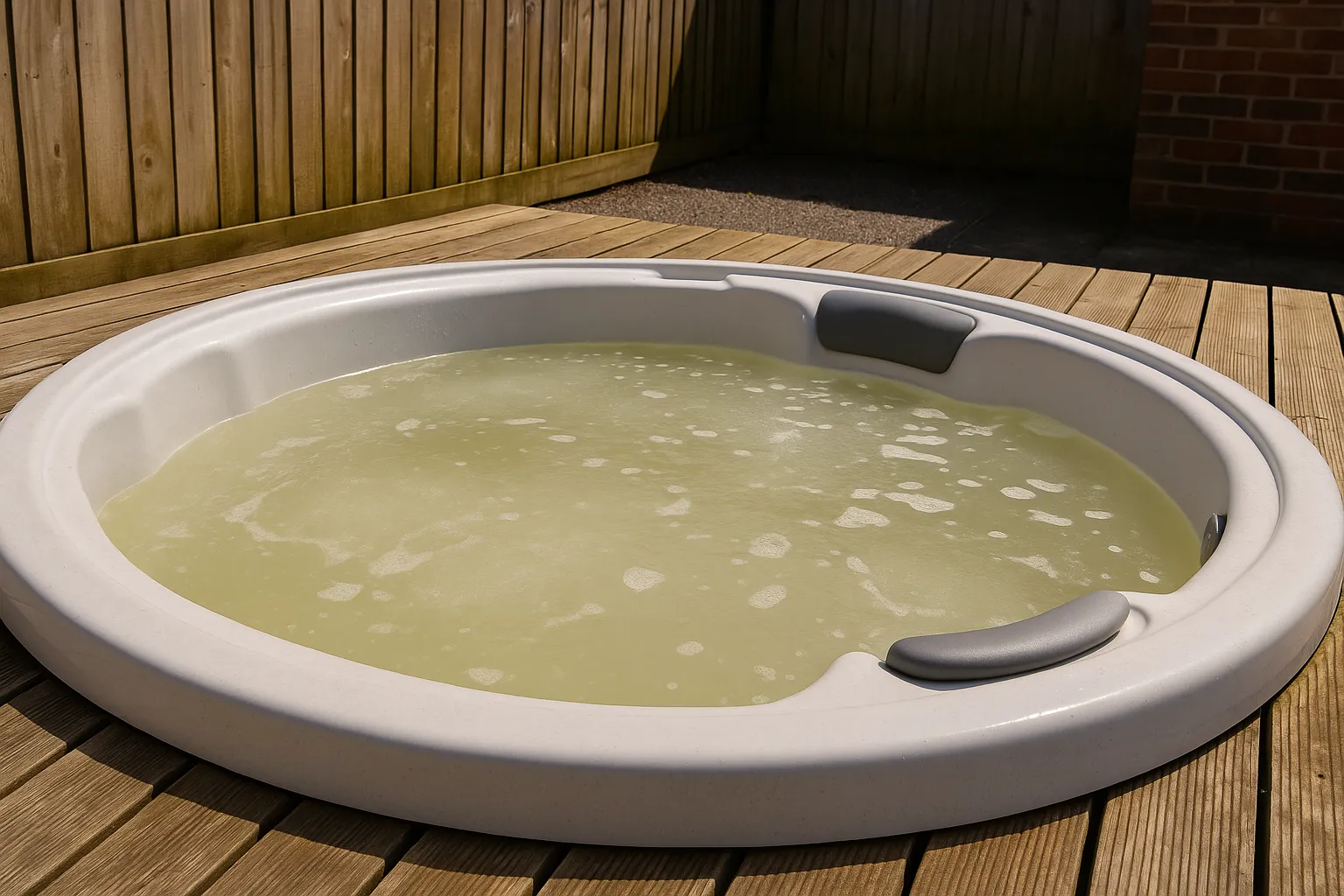
Mrs Crookes, who had been in good health prior to her trip, made the most of her time at the family rental, spending significant periods in the hot tub on the first night of their stay. However, her daughter, Nicola Vaughan, recalled that the next day brought concerning signs, stating, “There was a strange smell. It was a bit of a musty smell. Also, the water was a bit cloudy. It looked a bit off-colour, not the colour water should be.” Shortly afterward, Mrs Crookes reported feeling unwell and cut her visit short, which left the family worried.
The situation escalated as multiple family members started to exhibit symptoms of illness, including rashes and digestive distress. Medical consultations later revealed that these issues were linked to the hot tub’s maintenance, which the family claimed was inadequate. Following her hospitalisation, Mrs Crookes was diagnosed with pneumonia caused by Legionella pneumophila, a bacterium associated with water sources like poorly maintained hot tubs.
A recent inquest concluded that Mrs Crookes’ death was a direct result of her contracting Legionnaires’ disease from the hot tub during her stay. Joanna Lloyd, the housekeeping manager at Tapnell Farm, testified during the inquest, asserting that she had conducted daily tests on the hot tub water and did not recall any problems during the family’s visit. Despite her testimony, the Crookes family contended they observed no such checks being made.
In light of these developments, the family expressed their devastation over the loss of Mrs Crookes and their determination to raise awareness of the dangers posed by inadequately managed hot tubs. They stated that they now have a clearer understanding of the circumstances surrounding her death, as the jury’s findings highlighted the link between the hot tub and her illness. “We hope that her passing serves as a stark reminder of the serious dangers associated with hot tubs when health and safety protocols are not given the importance they require,” said the family. They expressed a desire that sharing their story could potentially prevent similar tragedies in the future, adding, “If sharing this message helps save even one life, then her loss will not have been in vain.”
The family also thanked Coroner Caroline Sumeray and the jury for their comprehensive investigation while voicing concerns regarding how the Isle of Wight Council’s Environmental Health department handled the case. They expressed frustration, stating, “We remain deeply concerned about the IW Council’s Environmental Health investigation. Our mother’s death was entirely preventable, and had proper health and safety procedures been followed, she would still be here with us today, looking forward to Christmas with her family.”
Describing their mother, her daughters emphasised that she was “the heart of our family and lived for her children and grandchildren, who were her world,” remarking that her loss was both “devastating and unexpected.” Mrs Crookes had been eager to celebrate her milestone birthday and was even described as adventurous, having enjoyed the zipline at the farm, which reflected her vibrant spirit.
Legionnaires’ disease, the cause of this unfortunate incident, is a severe form of pneumonia that can lead to significant health complications, including respiratory failure and septic shock, which can be fatal. The disease is caused by the Legionella bacterium, which primarily thrives in water systems that are not adequately maintained. In the UK, approximately 500 cases of Legionnaires’ disease occur each year, while the figure stands around 6,100 in the United States.
Infection typically arises from inhaling aerosolized water droplets that contain the bacteria. Certain populations are at a heightened risk of severe outcomes, including older adults, smokers, and individuals with weakened immune systems, such as those undergoing chemotherapy. Symptoms generally manifest within two to ten days post-exposure and can range from mild headaches and muscle pain to severe respiratory distress and confusion.
The appropriate treatment for Legionnaires’ disease involves prompt hospitalisation and antibiotic therapy. Preventative measures largely hinge on the rigorous cleaning and disinfection of water systems. To reduce personal risk, individuals are advised against smoking, as it compromises lung function and exacerbates susceptibility to infections like Legionnaires’ disease.
This case serves as a reminder of the critical importance of health and safety procedures in leisure facilities, particularly those involving water systems. The Crookes family’s petition for accountability highlights the need for continual oversight and adherence to safety standards to prevent such tragedies in the future.
Our Thoughts
The tragic case of Paulette Crookes highlights several key areas for improvement in health and safety practices surrounding hot tub usage. To prevent such incidents, regular and thorough maintenance of hot tub facilities, in line with the Health and Safety at Work Act 1974, is crucial. This includes ensuring that water quality is monitored and maintained within safe parameters to prevent the proliferation of Legionella bacteria.
The responsibilities of the rental property managers and environmental health authorities must be clearly enforced under the Management of Health and Safety at Work Regulations 1999, which require risk assessments to identify potential health hazards, including those associated with poorly maintained leisure facilities.
Regular training for staff on safe operational procedures is also necessary. In this case, the housekeeping manager’s claims regarding daily water checks should have been backed by documented evidence, suggesting a breach of the Control of Substances Hazardous to Health (COSHH) Regulations 2002.
To prevent similar tragedies, hot tub rental companies should develop comprehensive health and safety protocols and ensure compliance, including detailed records of maintenance checks and immediate corrective actions for any issues identified. Educating users about potential risks can also enhance safety awareness among guests.