















Story Highlight
– Aldi recalls Christmas canapes for undeclared allergen concerns.
– Mislabeled mozzarella sticks contain egg, posing health risks.
– Affected packs have a use by date of December 15.
– Customers advised to return products for full refunds.
– Recall highlights risks of poor labeling for allergy sufferers.
Full Story
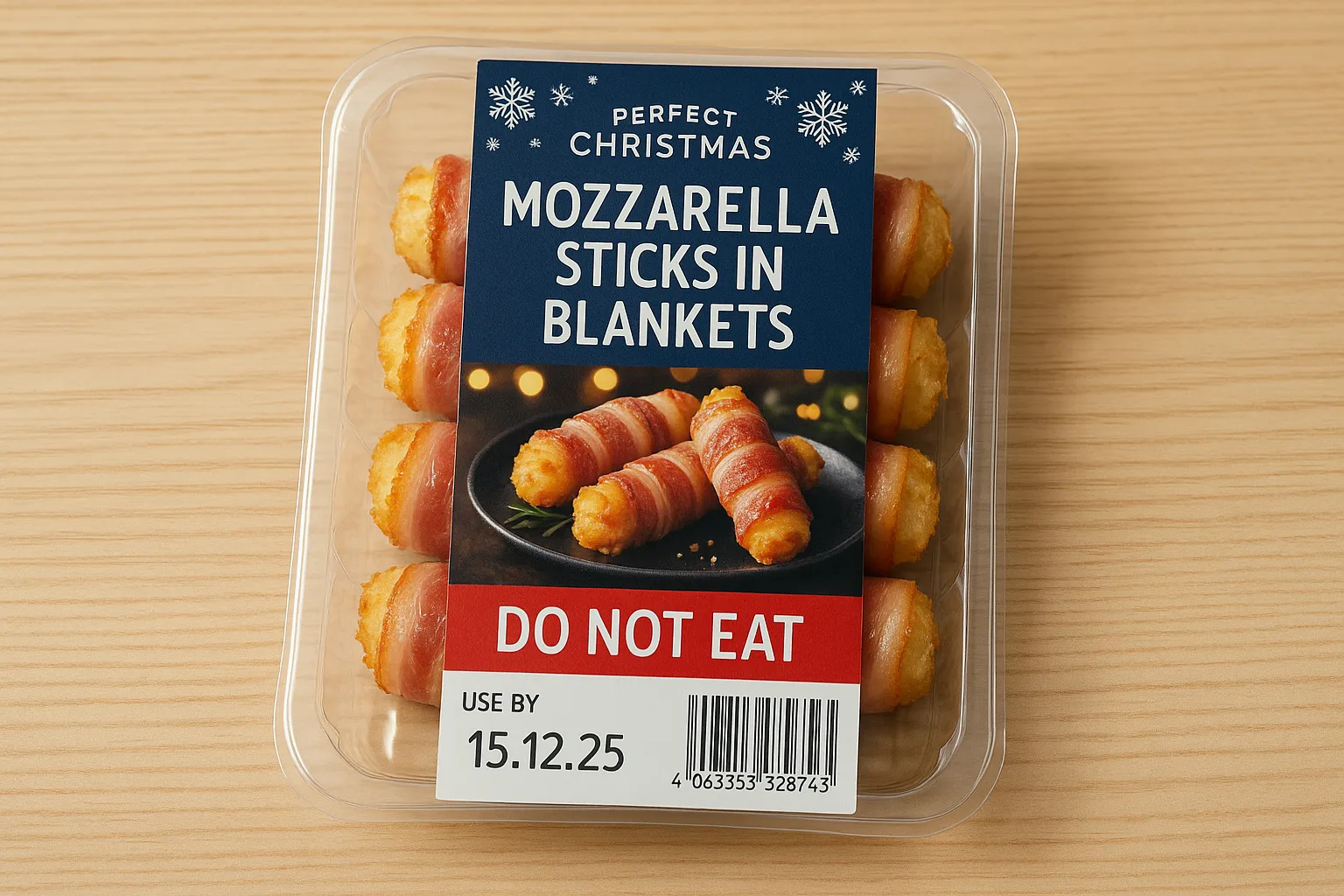
Aldi’s Perfect Christmas Mozzarella Sticks in Blankets have been recalled due to potential health risks associated with undeclared allergens, prompting urgent warnings from food safety authorities. The supermarket is taking precautionary measures following the discovery that some products containing egg were incorrectly labelled, posing serious risks for individuals with egg allergies or intolerances.
The Food Standards Agency (FSA) has issued a ‘do not eat’ advisory for this specific batch of festive snacks, which weighs 278 grams and bears a use-by date of 15 December 2025, along with the barcode 4069365328743. The presence of egg in these mozzarella sticks, which is not stated on the packaging, can potentially lead to life-threatening allergic reactions in those affected.
Egg allergies are particularly prevalent among children, and while many affected individuals can tolerate extensively cooked egg in baked goods like pastries and cakes, the risk of severe allergic reactions remains significant. Symptoms can arise from even trace amounts of the allergen, including hives, swelling in various parts of the body, vomiting, and in extreme cases, anaphylaxis. Notably, it is essential to understand that contact with egg can also provoke a reaction, potentially affecting only the skin.
Aldi has issued a point-of-sale notice to inform customers of the recall and the reasons behind it. In a statement, the company clarified, “As a precautionary measure, our supplier is recalling Perfect Christmas Mozzarella Sticks in Blankets because the product is labelled incorrectly and contains an undeclared allergen (egg).” Customers are encouraged to return the affected products to any store in order to receive a full refund.
For any queries or additional information, consumers can reach Aldi’s customer service on 0800 042 0800 or visit their official website. The supermarket has expressed regret over the inconvenience caused to its customers by this incident.
The precautionary recall aligns with established food safety protocols, which are regularly enforced by both manufacturing entities and regulatory bodies. According to the FSA, products may be subject to withdrawal from shelves or recalled altogether when they are found to potentially jeopardise public health.
Food allergies occur when the immune system reacts adversely to particular food substances, such as peanuts, eggs, milk, or shellfish. The reactions can vary widely in severity, with mild symptoms including itchy skin while severe reactions can lead to anaphylaxis, where the throat narrows, hindering breathing. The administration of adrenaline is crucial in such cases, and individuals with serious allergies are typically advised to carry an auto-injector, such as an EpiPen, at all times.
There have been notable incidents that have heightened awareness surrounding allergen exposure and the importance of accurate food labelling. For instance, Natasha Ednan-Laperouse tragically passed away in 2017 after unknowingly consuming sesame in a Pret a Manger baguette during a flight. Her untimely death catalysed legislative changes in the UK, leading to the enactment of Natasha’s Law. This law now mandates clearer labelling for allergens on pre-packaged foods. Although her case specifically highlighted the dangers of sesame, experts have cautioned that the risks associated with inaccurate labelling extend beyond any single allergen, with packaged and imported goods frequently posing risks that could prove fatal for allergy sufferers.
Under current UK and EU legislation, egg is recognised as a common allergen that must be distinctly highlighted within the ingredients list of pre-packaged products. This requirement aims to protect consumers and ensure they are well-informed about the food they consume.
As Aldi navigates the fallout from this recall, attention remains focused on the broader implications for the food retail industry, particularly concerning allergen management and consumer safety. Food safety experts continue to advocate for stringent oversight of food labelling practices, emphasising the necessity for transparency in ingredient lists, especially for those with life-threatening allergies.
The situation illustrates a critical need for vigilance in food safety and labelling accuracy, underscoring the potential consequences of lapses that can jeopardise consumer health. As food manufacturers strive to adhere to compliance standards, the importance of protecting vulnerable populations from allergen exposure cannot be overstated.
For the time being, customers who have purchased the recalled product are advised to check their kitchens for any affected stock and return it without hesitation. With the festive season approaching, consumers should remain proactive in ensuring their food choices are safe, reinforcing the importance of careful choices and awareness about allergens during this bustling time of year.
Our Thoughts
To prevent the recall of Aldi’s Christmas canapes due to undeclared allergens, several measures could have been implemented. Firstly, stricter quality control processes should be established within the supply chain to ensure accurate labeling, in compliance with the Food Labelling Regulations 1996 and Regulations (EU) 1169/2011. Enhanced employee training on allergen management and labeling, as mandated by the Food Safety Act 1990, would also help mitigate risks.
The key safety lesson from this incident highlights the importance of thorough allergen checks, as mislabeling can lead to severe health consequences for consumers, particularly those with allergies.
The breach of regulations regarding the clear indication of allergens on product labels is significant, as egg is classified as a major allergen under UK law. This incident underscores the necessity for ongoing vigilance and rigorous adherence to food safety laws to prevent similar occurrences.
Increasing consumer awareness and ensuring that all food products are accurately labeled would significantly reduce the risk of allergic reactions and enhance overall food safety practices in retail settings.