















Story Highlight
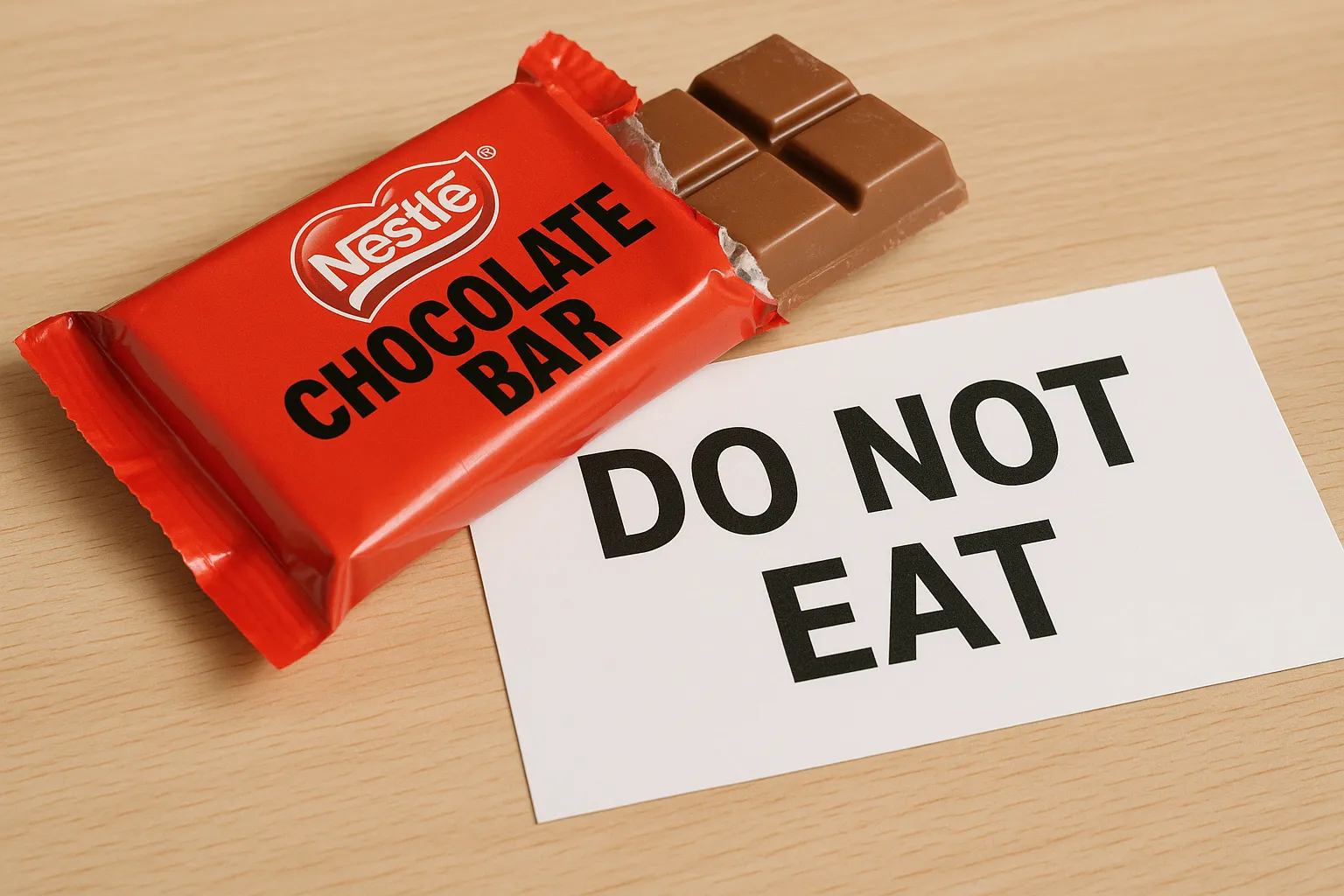
– Health experts warn against viral chocolate bar.
– Contaminated product sold in UK supermarkets.
– Consumption poses serious health risks.
– Authorities urge consumers to avoid eating it.
– Immediate investigation launched into the chocolate bar.
Full Story
Health authorities have issued an urgent alert concerning a viral chocolate bar available in UK supermarkets, advising consumers to refrain from consuming the product.
In recent days, reports have surfaced regarding a specific chocolate bar that has gained notoriety not only for its taste but also due to alarming health concerns surrounding its ingredients. The concerns have led both health experts and government officials to recommend that the public avoid purchasing or eating this particular item amid rising awareness of potential health risks.
The chocolate bar in question has become increasingly popular, particularly among younger demographics, thanks to its online marketing and recommended pairings on social media. However, the unexpected surge in consumers’ enthusiasm quickly transformed into caution as scientists highlighted health implications that can arise from consuming the bar.
A spokesperson for the Food Standards Agency (FSA) has stated that the chocolate bar has been linked to a series of adverse health reactions, prompting the governing bodies to issue the advisory. “We are monitoring the situation closely and have received a number of reports from individuals experiencing negative side effects after consuming this product,” the FSA representative said.
Experts have emphasized the need for consumers to be vigilant regarding their dietary choices, particularly when it involves products that are rapidly marketed without sufficient transparency regarding their ingredients. Dr. Jane Thompson, a nutritionist at the UK Health Security Agency, remarked, “It is critical that consumers are aware of what they are eating. The recent reports regarding this chocolate bar serve as a reminder that not all products are vetted for safety before they hit the shelves.”
Further investigations have suggested that the chocolate bar may contain unlisted allergens, heightening concerns for individuals with specific dietary restrictions. The FSA has urged retailers to cooperate fully with the investigations to ensure that no further cases arise from the product’s consumption.
Given the mounting health concerns, various supermarket chains have begun pulling the chocolate bar from their shelves as a precautionary measure. Tesco, Sainsbury’s, and Asda have all announced that they will cease selling the item until its safety can be assured. A Tesco spokesperson stated, “We take customer safety very seriously and are removing this product while we investigate the claims made against it.”
In addition to supermarket chains, social media platforms have also taken steps to address the situation. Popular influencers who initially promoted the chocolate bar are now voicing urgent warnings about its consumption. “I’ve removed the product from my recommendations,” said social media influencer Mia West. “Health should always come first, and I urge my followers to stay safe.”
The response from the public has been swift, with many taking to online forums and social media to share their experiences after eating the bar. Accounts of allergic reactions and gastrointestinal discomfort have surfaced, raising alarms among consumers who might have initially dismissed the bar’s potential risks.
Local health officials have expressed support for the FSA’s urgent warning, especially considering the vulnerability of specific segments of the population. “Individuals with allergies or dietary restrictions must exercise caution and should be particularly diligent about what they consume,” said Dr. Samuel Greene, a local health authority representative.
Furthermore, public health advocates are calling for stricter regulations on how products are marketed to ensure that consumers are not misled by aggressive advertising tactics. “Too often, we see flashy advertising compensating for insufficient information regarding safety,” explained health advocate Maria Simmons. “It’s paramount that we push for more transparency around food products, especially those that are gaining viral status online.”
In light of these developments, many consumers are re-evaluating their buying habits and questioning the safety of other products that have gone viral on social media. The incident highlights the complications of the modern food landscape, where trends can spread rapidly, but the safety of those products can often lag behind.
The situation remains fluid, and monitoring efforts continue as health bodies aim to address the safety concerns surrounding the chocolate bar. Consumers are advised to remain informed about what they consume and to pay close attention to announcements from health authorities.
A comprehensive risk assessment is expected to be released in the coming days, which will cover the specific risks associated with the chocolate bar and recommendations for consumers moving forward. This thorough investigation will help clarify the situation and arm consumers with knowledge to protect their health.
In conclusion, while the chocolate bar may have captivated consumers initially due to its flavour and marketing, the rise in health concerns has prompted a swift reaction from both retailers and health officials. With the focus now shifting to consumer safety, it serves as a reminder to raise awareness regarding food safety and transparency in product claims. As the investigation unfolds, consumers are encouraged to stay informed and exercise caution in their dietary choices.
Our Thoughts
The article highlights a public health risk associated with a viral chocolate bar sold in UK supermarkets. To avoid such incidents, businesses must ensure strict adherence to the Food Safety Act 1990, which mandates that food products are safe for consumption and properly labeled.
Key safety lessons include enhancing quality control measures to prevent contamination, implementing regular testing of products, and ensuring transparent communication with consumers regarding any potential risks. Retailers should also follow the General Food Law Regulation (EC) 178/2002, which requires traceability of food products from the supplier to the consumer.
Preventative measures could involve more robust monitoring of suppliers and higher standards for risk assessments during food production. Additionally, a more proactive approach in recalling harmful products, as per the Food Safety (General Food Regulations) 2004, could mitigate risk to public health. By emphasizing these regulations and learning from this incident, similar future health risks can be effectively reduced.