
















Story Highlight
– Guernsey’s Home Affairs Committee reviews age verification for websites.
– UK’s online safety act mandates age-checking for adult sites.
– Jersey politicians raised concerns about age verification absence.
– Committee President favors banning Snapchat for under 16s.
– Support grows for banning smartphones for young people.
Full Story
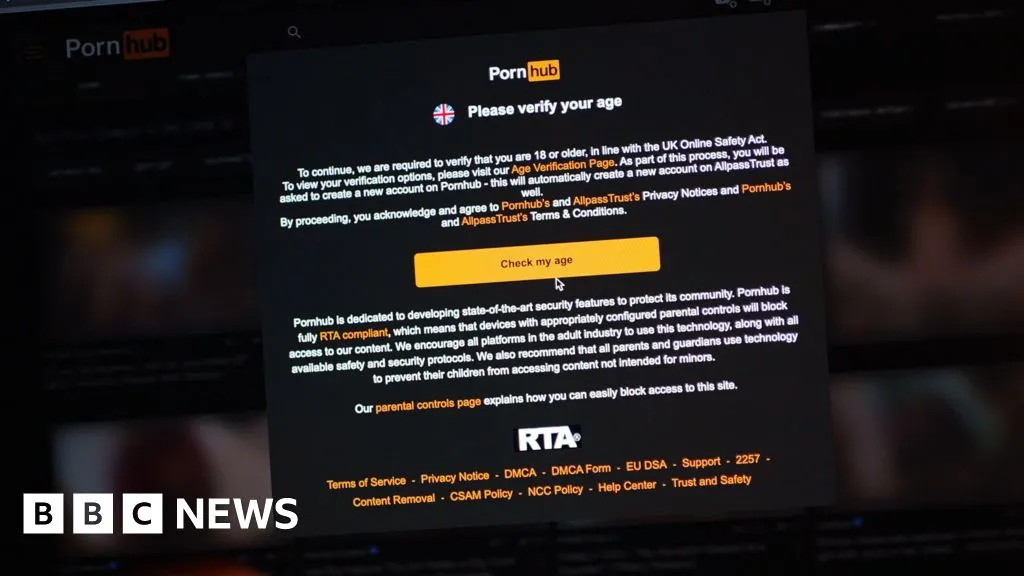
Guernsey’s Home Affairs Committee is currently evaluating the potential implementation of age verification measures for adult websites accessed from the island. This scrutiny follows the recent enforcement of the UK’s Online Safety Act, which mandated that websites featuring adult content adopt stringent methods for verifying the age of their users. Such restrictions include requiring forms of identification, such as photo ID, or the use of credit card checks to ensure user compliance.
In a recent session, politicians from nearby Jersey voiced concerns regarding the absence of age verification on adult websites. This issue has prompted a wider debate about online safety in the Channel Islands, with both local politicians and community members expressing a desire for enhanced protections for younger internet users.
A representative from Guernsey’s Home Affairs Committee confirmed that the committee is examining the UK’s Online Safety Bill to discern which aspects could be relevant for adaptation within Guernsey’s context. The focus on safeguarding minors has gained traction, with many advocating for stronger measures to prevent underage access to inappropriate content online.
Marc Leadbeater, who presides over the Home Affairs Committee, was scheduled to present an update on his committee’s initiatives during a States meeting on Wednesday. In previous statements, Leadbeater indicated his support for restricting access to the social media platform Snapchat for individuals under the age of 16. This stance aligns with growing concerns over social media’s impact on youth and the urgent need for legislation to protect children from potential harm.
Community campaigners in Guernsey have shown solidarity with similar efforts in Australia, where the government has recently instituted a ban on social media usage by minors. Advocates of such initiatives argue that limiting smartphone access for young people could mitigate risks associated with online interactions and exposure to harmful content.
The collaborative voices from the Presidents of various committees, including Education, Sport and Culture, and Health and Social Care, underscore a collective commitment to addressing these critical issues. These leaders have publicly supported efforts to restrict smartphone use among Guernsey’s youth, signalling a united front aimed at prioritizing the well-being of children in the ever-evolving digital landscape.
The proposed measures and discussions around them reflect a broader international trend towards ensuring safer online environments for children. With the intervention from the Home Affairs Committee, there is hope for the establishment of a rigorous framework that could serve as a model for similar jurisdictions.
The ongoing assessment will also consider public opinion and expert consultations to shape the final recommendations. Engaging with stakeholders, including parents, educators, and health professionals, will be crucial as the committee navigates the implications of such regulations.
As the dialogue about age restrictions and online safety continues, the need for a nuanced approach becomes increasingly evident. While age verification systems are viewed as a necessary tool, questions about their efficacy, privacy implications, and enforcement challenges remain at the forefront of the debate.
As technology evolves, so too must the strategies employed to safeguard young users. Therefore, the committee’s upcoming findings will be closely scrutinised by various sectors of Guernsey’s community, eager to learn how proposed changes might align with or diverge from existing global practices surrounding online safety.
Overall, the discussions within Guernsey’s Home Affairs Committee highlight the urgent need to address online safety comprehensively, ensuring that any adopted measures effectively protect children without compromising their rights and liberties. As the situation develops, further updates are anticipated on the outcomes of these important deliberations, which carry the potential to shape the future of digital interactions for the island’s youth and the broader community.
Our Thoughts
To prevent the lack of age verification on adult websites in Guernsey, a more proactive approach could have been implemented in aligning with the UK’s Online Safety Act, which mandates robust age-checking practices for such sites. Key lessons highlight the importance of timely adoption of safety regulations to protect young users.
Relevant UK legislation includes the Online Safety Act, which should have been monitored and enforced rigorously to ensure all online platforms comply with age verification requirements. A lack of oversight contributed to the failure to implement these protective measures effectively.
To mitigate similar incidents, there should be a continuous review of policies concerning children’s access to online content, including proactive engagement with internet service providers and platform owners to establish comprehensive age verification protocols. Regular training and awareness campaigns about online safety for both parents and children could also reinforce the need for vigilance in digital spaces.