













Story Highlight
– Beverley Chapman fined for health and safety breach.
– Two incidents involving aggressive cattle reported in 2024.
– Holidaymaker hospitalized after cattle attack while walking.
– Cattle not removed from path despite initial incident.
– HSE highlighted risks of cattle near public rights of way.
Full Story
Beverley Chapman, a farmer from Tembleath Farm located near St Columb Major, faced legal consequences for breaching health and safety regulations after incidents involving cattle on public paths. On 16 December 2025, at Bristol Magistrates’ Court, she pleaded guilty to violating Section 3(2) of the Health and Safety at Work etc. Act 1974. As a result, she was fined £5,260 and instructed to cover £4,650 in costs alongside a £2,000 court surcharge.
The legal action against Chapman arose from two separate incidents during the summer of 2024 at Park Head, close to Porthcothan. The first incident occurred on 30 June when Brian Gregory, a 75-year-old holidaymaker, was attacked by a herd of cattle while walking his Labrador, Molly, along the coast path. This unfortunate encounter led to Gregory being trampled and butted by the animals, necessitating a five-day hospital stay and subsequent surgery due to serious injuries, including a severed artery and deep gashes as well as horn marks.
Following this incident, public safety concerns intensified. A month later, a second incident unfolded involving two local dog walkers who were confronted by what the Health and Safety Executive (HSE) identified as the same herd of cattle. Fortunately, they managed to avoid serious injuries by seeking refuge in thick gorse bushes near a cliff edge, although one of the dogs incurred injuries that required surgical intervention.
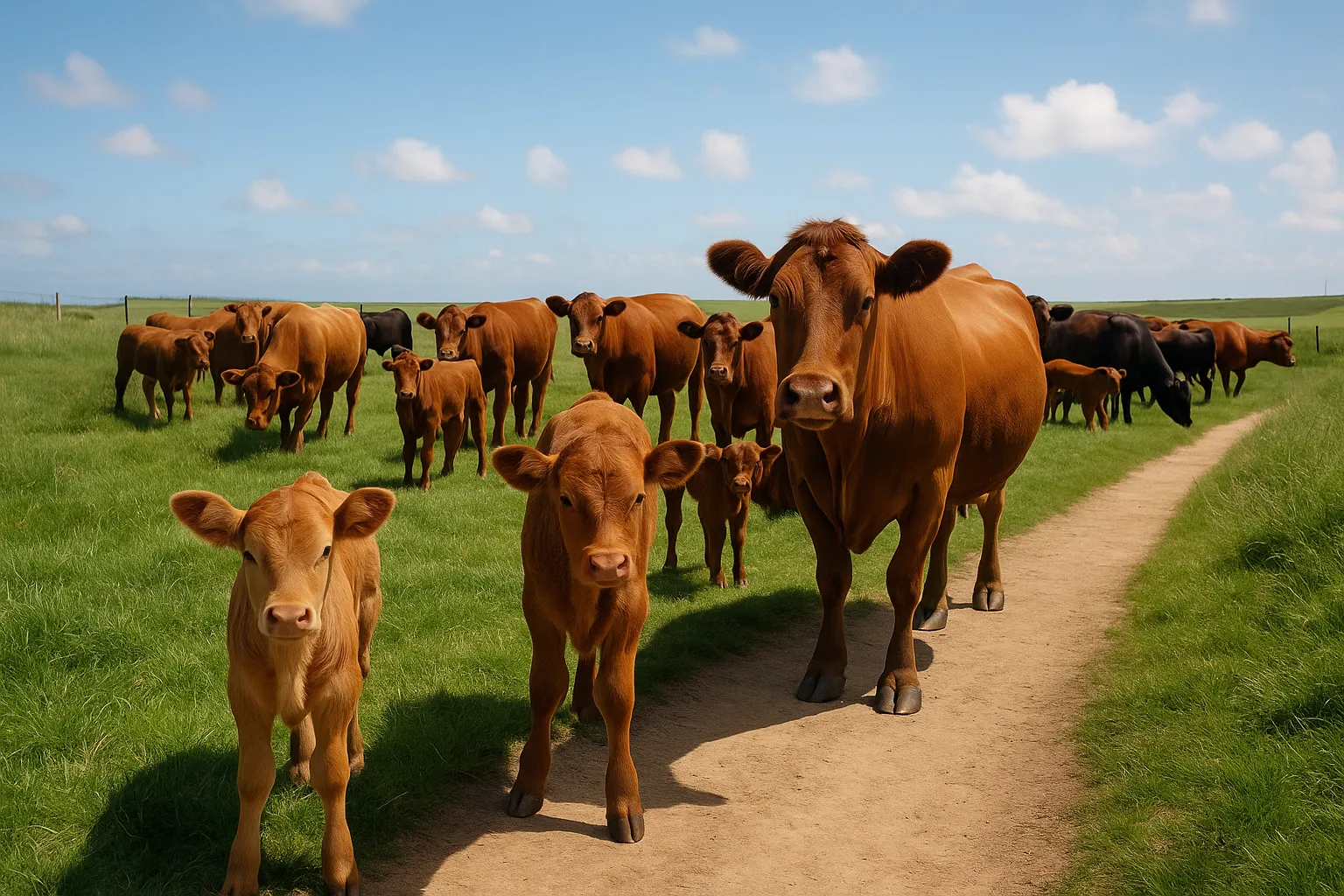
Despite receiving notification about the initial attack, Chapman reportedly failed to take appropriate measures by removing the cattle from the coastal path. In fact, she compounded the risk by introducing more cattle into the field, which included calves as young as 42 days. It was only after intervention from a Cornwall Council public rights of way officer that the herd was removed from the area.
Simon Jones, an HSE inspector, expressed concern over the incidents, highlighting that even naturally docile cattle can exhibit aggressive behaviour, particularly when they are protecting their young. He remarked, “Given the nature of the cattle attack, it is fortunate that the injuries sustained by Mr Gregory weren’t fatal,” and reiterated that Chapman’s inaction in terms of controlling the cattle and mitigating risks to walkers on the South West Coast Path was alarming.
The HSE investigation revealed that the cows with their young calves had been kept in a field that was crossed by a public right of way, despite the existence of other enclosed fields not open to public access. This poses considerable hazards to pedestrians, particularly those with dogs, and raises critical questions about the safety priorities of local farmers.
Guidelines set out in HSE leaflet AIS17 advise farmers to refrain from keeping cattle, especially those with calves, in fields that are accessible to the public whenever feasible. The recommendations include implementing fencing measures to keep animals and humans separated, conducting temperament assessments before placing livestock near public thoroughfares, and ensuring clear signposting for public routes.
In the wake of the incidents and the subsequent prosecution, there are growing calls from local residents and safety advocates for improved safety measures in the management of livestock near public rights of way. This situation has sparked discussions about the responsibilities of farmers in safeguarding public spaces and the need for adherence to established safety guidelines designed to protect both the public and the livestock.
Chapman’s decision to keep a herd of potentially aggressive cattle within an area frequented by walkers has been scrutinised, raising questions regarding the adequacy of current regulatory frameworks and enforcement in enforcing safe practices in agricultural settings.
Following the events, the community has expressed concerns about the need for more rigorous oversight regarding animal management in agricultural areas that border public paths. There is a prevailing sentiment among residents that while farming is vital to the local economy, it must not come at the expense of public safety. Enhanced cooperation between farmers and local authorities may be essential to achieve a balance that allows agricultural operations to coexist safely with recreational public access.
The prosecution against Chapman was led by Rebecca Schwartz, an enforcement lawyer for the HSE, alongside paralegal Gabrielle O’Sullivan. Their efforts underscore the regulatory body’s commitment to ensuring compliance with health and safety standards in agricultural practices, particularly in areas frequented by the public.
As awareness of agricultural safety becomes more pronounced, cases such as this one serve as cautionary tales, highlighting the importance of vigilance and proactive measures in farm management. The outcome reflects a growing recognition of the critical balance needed between agricultural activities and community safety, aiming to prevent future incidents that could endanger the public.
Our Thoughts
To prevent the incidents involving Beverley Chapman’s cattle, several key actions could have been taken. Firstly, compliance with Section 3(2) of the Health and Safety at Work etc. Act 1974 requires employers to ensure the health and safety of others by managing risks effectively. Chapman could have removed the cattle from public paths immediately following the first incident to mitigate danger, particularly since cows with calves can be unpredictable.
The Health and Safety Executive (HSE) provides clear guidance advising farmers to avoid keeping cattle, especially those with calves, in fields that are accessed by the public. Implementing robust perimeter fencing and keeping livestock away from public rights of way would have been prudent measures. Additionally, conducting a thorough risk assessment of livestock temperament before placement near footpaths could have averted these dangerous encounters.
Breach of regulations regarding animal safety and public access significantly contributed to the incidents. Ensuring better communication and adherence to safety guidelines would not only have complied with existing regulations but also potentially protected the public from harm. Similar incidents could be prevented through enhanced safety protocols, regular monitoring of livestock behavior, and immediate response to reported incidents.