
















Story Highlight
– Surge in STIs expected after Christmas festivities.
– Chlamydia treatment demand increased by 58% post-Christmas.
– Many rely on AI for sexual health advice, risking misinformation.
– Men more likely than women to consult AI tools.
– Experts advise seeking professional care over AI for STIs.
Full Story
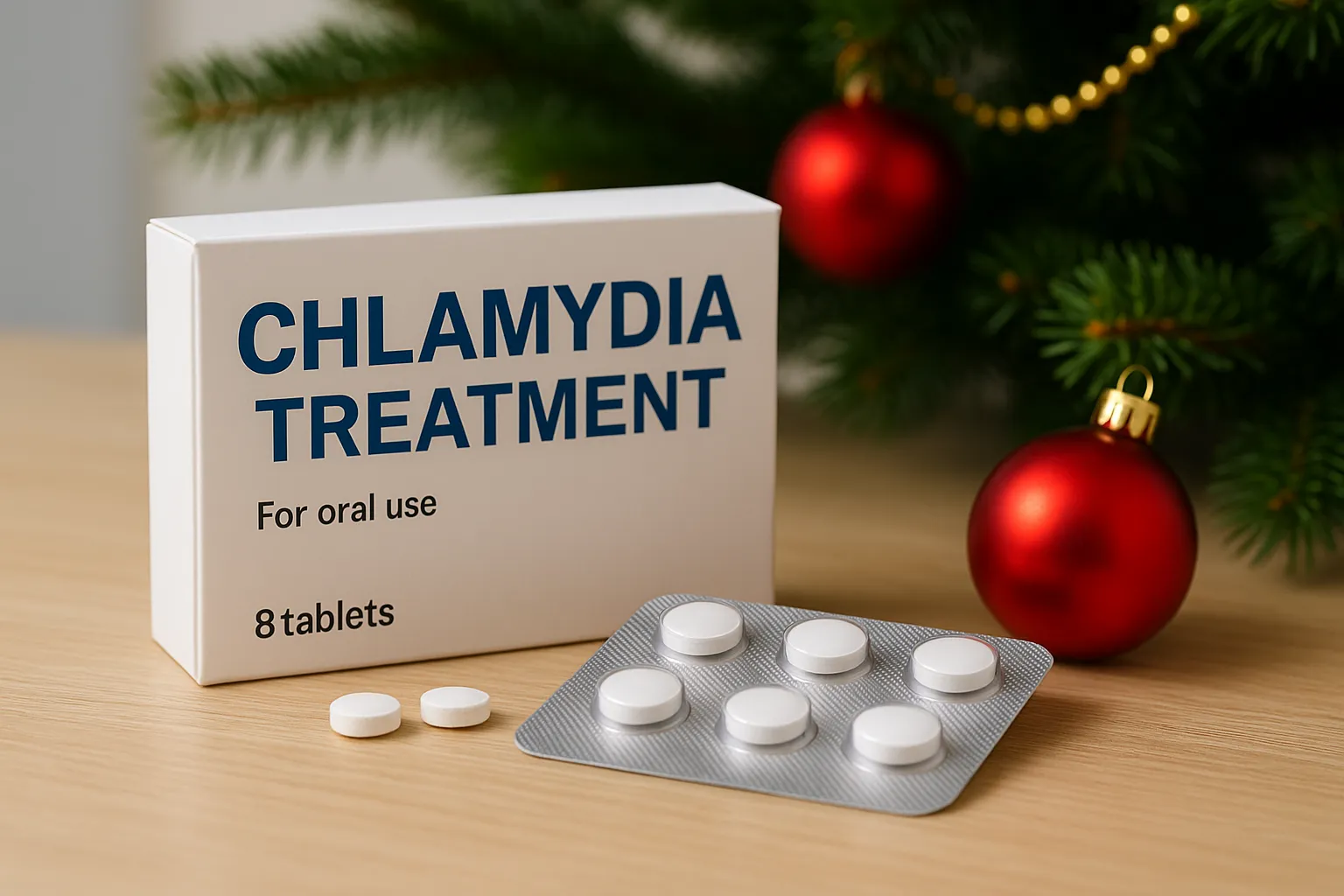
As the festive season approaches, health professionals are sounding the alarm about a potential rise in sexually transmitted infections (STIs) during and after Christmas. Data from retail sources indicates that the demand for sexual health treatments tends to peak in the weeks following the holiday period. Notably, ASDA, a major UK supermarket chain, has reported an astonishing 81 per cent increase in requests for chlamydia treatment during the first week of January 2025, compared to the first week of December 2024. This trend is observed consistently, with a similar increase of 58 per cent noted between early December 2023 and early January 2024.
This uptick in STI treatments has prompted health advisors to encourage the public to remain vigilant about sexual health during the holiday festivities. Around New Year, socialising typically increases, which can lead to higher rates of sexual activity. Research has shown that women, in particular, exhibit heightened sexual engagement during this time, often surpassing even the romantic surge associated with Valentine’s Day. This spike in activity can subsequently lead to an increase in STI rates and even higher birth rates seen in September.
While many individuals may seek health information and support through artificial intelligence (AI) platforms during this period, experts warn against relying solely on these technologies for sexual health guidance. The emergence of AI chatbots like ChatGPT and Google’s Gemini has raised concerns, as these tools can provide misleading or inaccurate information concerning health matters. In a recent study, it was found that 40 per cent of individuals in the UK aged 16 and over have consulted AI for sexual health advice, with the tendency being more pronounced among younger age groups. Specifically, 65 per cent of individuals aged 25 to 34 and 52 per cent of those aged 35 to 44 reported using AI for such inquiries, while 41 per cent of Gen Z respondents—ages 16 to 24—have done the same.
The data reveals a gender disparity as well, with men being significantly more inclined than women to consult AI for health guidance. According to statistics from the Office for National Statistics, 45 per cent of men sought advice from AI tools compared to 33 per cent of women, highlighting a broader pattern in which men may be more reticent to visit their general practitioners for health advice.
Research conducted by ASDA’s Online Doctor service has uncovered troubling inconsistencies in the information provided by AI chatbots regarding sexual health. When the research team queried various platforms—including ChatGPT, Gemini, and Gemini 3—concerning sexual health issues, out of 78 responses, only 60 were deemed accurate. Alarmingly, some responses related to common conditions such as chlamydia and bacterial vaginosis were either incomplete or contained factual inaccuracies, leading to potential misinformation for users.
Health specialists, including Dr Zara Haider, president of the College of Sexual and Reproductive Healthcare, emphasised the critical need for professional medical evaluation and treatment. Dr Haider stated, “It is well recognised by sexual health services that demand often increases in the weeks following periods of increased socialising and sexual contact, such as Christmas and New Year. Digital tools, such as AI chatbots, are easily accessible, but they are not a substitute for timely clinical assessment, testing, and treatment. Sexual health symptoms can be subtle or entirely absent. Relying on AI chatbots risks misinterpretation, false reassurance, and delayed care.” She further advocated that anyone who is sexually active, exhibiting symptoms, or concerned about potential STIs should reach out to reputable sexual health services, general practitioners, or local pharmacies.
Additionally, the survey of AI use revealed that while some platforms included disclaimers regarding their medical advisory capabilities, the updated Gemini 3 had enhanced this aspect, which experts view as a positive change. Commenting on the issue, Martin Jeffrey, an AI specialist and founder of the SEO service Harton Works, remarked on the tone with which AI systems deliver their information. He stated, “Gemini’s new disclaimer is welcome, but tone matters. The model speaks with a calm, coaching style that makes its guidance feel more reliable than it is. The bigger concern is that a high percentage of people still look for health information on platforms where there is no meaningful warning at all.”
The National Health Service (NHS) has also responded, reiterating its commitment to integrating advanced technology to enhance patient care. An NHS spokesperson noted that while AI is being harnessed to expedite diagnoses and streamline various operational processes, chatbot-driven advice should not replace interaction with qualified healthcare providers. The spokesperson also highlighted the NHS’s ongoing effort to ensure patients receive accurate health information.
OpenAI, the company behind ChatGPT, has clarified that while its tool is not intended to supplant qualified medical professionals, it aims to facilitate access to information to empower individuals in managing their healthcare. The company acknowledged the increasing trend of users seeking sexual health information from its platform and confirmed ongoing collaborations with health specialists to improve the reliability of the information provided.
As the festive period unfolds, health experts emphasise the importance of prioritising sexual health alongside holiday celebrations. With rising rates of STIs during this time, individuals are urged to approach their sexual health proactively and responsibly, seeking out proper medical care rather than relying on AI-based solutions.
Our Thoughts
To mitigate the forecasted rise in sexually transmitted infections (STIs) during the festive period, several measures could have been implemented. Firstly, increased public health campaigns promoting safe sex practices and regular STI testing in the lead-up to and following Christmas would have been beneficial. This aligns with the Health and Safety at Work Act 1974, which emphasizes the duty to protect the health of individuals.
Furthermore, there should be stricter regulation regarding the dissemination of medical advice through AI platforms. Companies must ensure proper disclaimers and limits on health-related information provided by AI, to prevent misleading guidance that could endanger users’ health. There are concerns that relying on AI services can lead to delayed care, which contravenes the principles established under the Care Act 2014 regarding timely access to necessary health services.
Additionally, promoting direct engagement with qualified healthcare professionals over AI could enhance user understanding of risks and encourage more accurate diagnosis and treatment, aiding in avoiding similar incidents in the future. Public health authorities should prioritize clear communication that emphasizes the importance of consultations with healthcare providers rather than digital tools for sensitive health issues.