















Story Highlight
– 1.5 million people currently use weight loss medication.
– 90% pay privately, risking health with unregulated sources.
– MHRA warns against buying from illegal online sellers.
– Prescription-only medicines require proper health assessments.
– Seek advice from healthcare professionals for safe options.
Full Story
As the festive season draws to a close and the new year approaches, thoughts of weight management often emerge as individuals set their sights on summer health goals. While traditional methods such as calorie reduction and increased physical activity are familiar approaches, many are now exploring a range of newer weight loss options. Current statistics reveal that around 1.5 million people are utilising weight loss medications. However, the stringent criteria set by the NHS in determining eligibility for these prescriptions means that a significant number are opting for alternative routes to access these treatments.
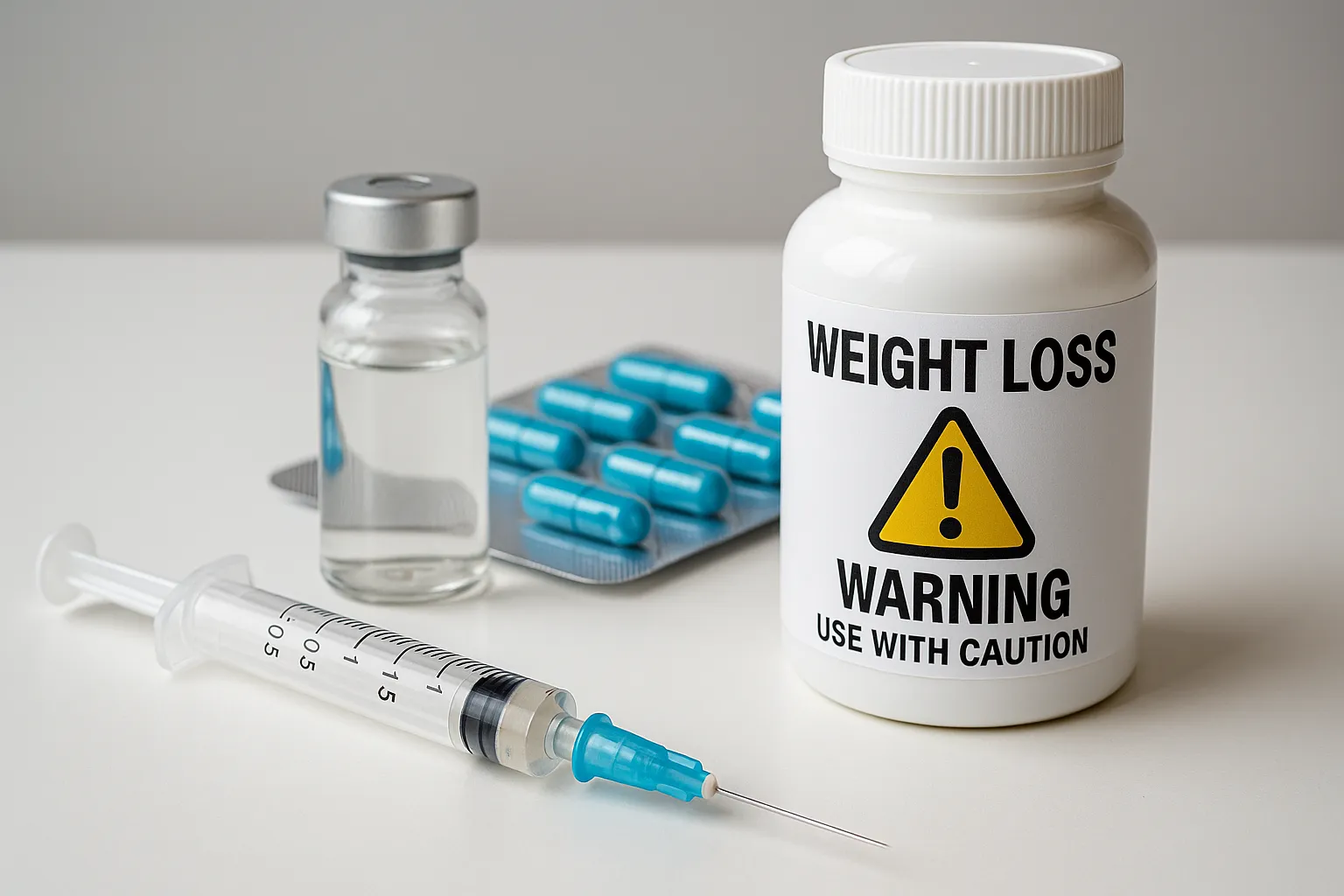
It is estimated that approximately 90% of individuals seeking weight loss medications are purchasing them privately, often at a cost of around £100 each month from reliable sources. However, the allure of less expensive options found online can present significant risks. Experts warn that many individuals may unknowingly compromise their health by purchasing unregulated products that promise miraculous results, as highlighted by the Medicines and Healthcare products Regulatory Agency (MHRA).
The MHRA serves as the government authority ensuring the safety and efficacy of medicines and related health products. It has raised serious concerns regarding the purchase of weight loss items through unmonitored websites or social media platforms. Authorities emphasize the potential dangers posed by these products, which may be counterfeit, contaminated, or possess incorrect dosages. Moreover, some may contain potent ingredients that are not detailed on their labels, leading to severe health implications such as cardiac issues, psychological side effects, and dangerously low blood sugar levels.
Dr Zubir Ahmed, the Health Minister, has conveyed his concerns regarding the procurement of weight loss medications from unregulated sources. “As a practising doctor and patient safety minister, I want to be absolutely clear – please do not buy weight loss medications from unregulated sources,” he stated. He underscored the urgent need for safety and quality in health products, warning that these unregulated items represent a significant threat to consumers who might not be aware of the dangers involved. “Don’t line the pockets of criminals who don’t care about your health,” he added, reinforcing that licensed obesity treatments can greatly benefit those with clinical requirements, provided they are acquired from legitimate pharmacies with a valid prescription.
Echoing Dr Ahmed’s sentiments, Jenn Matthissen from the MHRA’s Safety and Surveillance team cautioned against the trend towards online purchasing of weight loss medicines. “People often look for ways to support their health at this time of year, but buying medicines from illegal online sellers can put your health at real risk,” she remarked. Matthissen encouraged individuals to seek advice from qualified healthcare professionals about safe and evidence-based weight loss options rather than resorting to potentially harmful alternatives.
Individuals considering weight loss treatments are urged to consult with their general practitioners, pharmacists, or other accredited healthcare professionals for guidance. Community health experts highlight the importance of professional assessments in determining appropriate treatments tailored to individual needs. For more detailed information regarding weight loss medications, users are directed to the MHRA’s dedicated resources available on the GOV.UK website.
The MHRA has established several guidelines to assist consumers in making informed decisions regarding weight loss products:
1. Avoid acquiring prescription-only medicines without a prescription to ensure that GLP-1 and other weight management treatments are provided only following a clinical evaluation.
2. Purchase medicines exclusively from registered UK pharmacies or other authenticated retailers.
3. Residents in Great Britain can verify a pharmacy’s registration through the General Pharmaceutical Council website, while those in Northern Ireland should consult the Pharmaceutical Society of Northern Ireland (PSNI) for similar information.
4. Exercise caution regarding weight-loss products advertised on social media, particularly those that promise “quick fixes,” “miracle results,” or unusually low prices—these should be red flags indicating possible illegal sales.
5. Report any suspicious websites or products to the MHRA’s Yellow Card scheme to facilitate necessary interventions that protect other consumers.
The quest for effective weight management, particularly during this transitional time of year, is of great interest to many. However, as individuals navigate various options, it is crucial to prioritise safety and to remain vigilant about the sources from which they are purchasing health products. Engaging with qualified health professionals can provide essential guidance, ensuring that individuals make choices that support their well-being in a safe manner. As the desire for personal health improvement continues to rise, it remains imperative to approach weight loss strategies with informed caution and care.
Our Thoughts
The article highlights the risks associated with sourcing weight loss medications from unregulated online sellers, which is a breach of the UK Medicines Regulations. To prevent such incidents, it is crucial that individuals are better educated on the importance of obtaining prescription-only medications through legitimate channels. Key safety lessons include the necessity of engaging healthcare professionals for proper assessments before commencing weight loss treatments, which aligns with the principles set forth in the Health and Safety at Work Act 1974.
Strengthening consumer awareness initiatives could further mitigate risks. Campaigns should emphasize the dangers of purchasing from unauthorized vendors and outline clear guidelines for safe medication procurement. The Medicines and Healthcare products Regulatory Agency (MHRA) has already stressed the perils of illegal medications, but ongoing outreach efforts would be beneficial.
Regulations such as the Misuse of Drugs Act 1971 were likely breached by sellers distributing prescription-only medications without proper oversight. Preventing similar incidents necessitates stricter enforcement against illegal online pharmacies and reinforcing the responsibility of healthcare providers to guide patients towards safe treatment options. Increased collaboration between health authorities and online platforms could further enhance safety measures.