













Story Highlight
– Two swimmers went missing on Christmas Day.
– Winter sea temperatures pose serious cold shock risks.
– UKHSA issued amber cold health alert from December 31.
– Safety advice includes gradual entry and avoiding alcohol.
– Certain health conditions heighten cold water swimming dangers.
Full Story
**Safety Urged for New Year Sea Swimmers Amidst Cold Water Risks**
As the New Year approaches, individuals planning cold water swims are being advised to exercise caution following the tragic disappearance of two swimmers on Christmas Day at Budleigh Salterton in Devon. Among those reported missing are Matthew Upham, 64, an antiques dealer, and another man in his 40s, both of whom ventured into the challenging winter sea conditions.
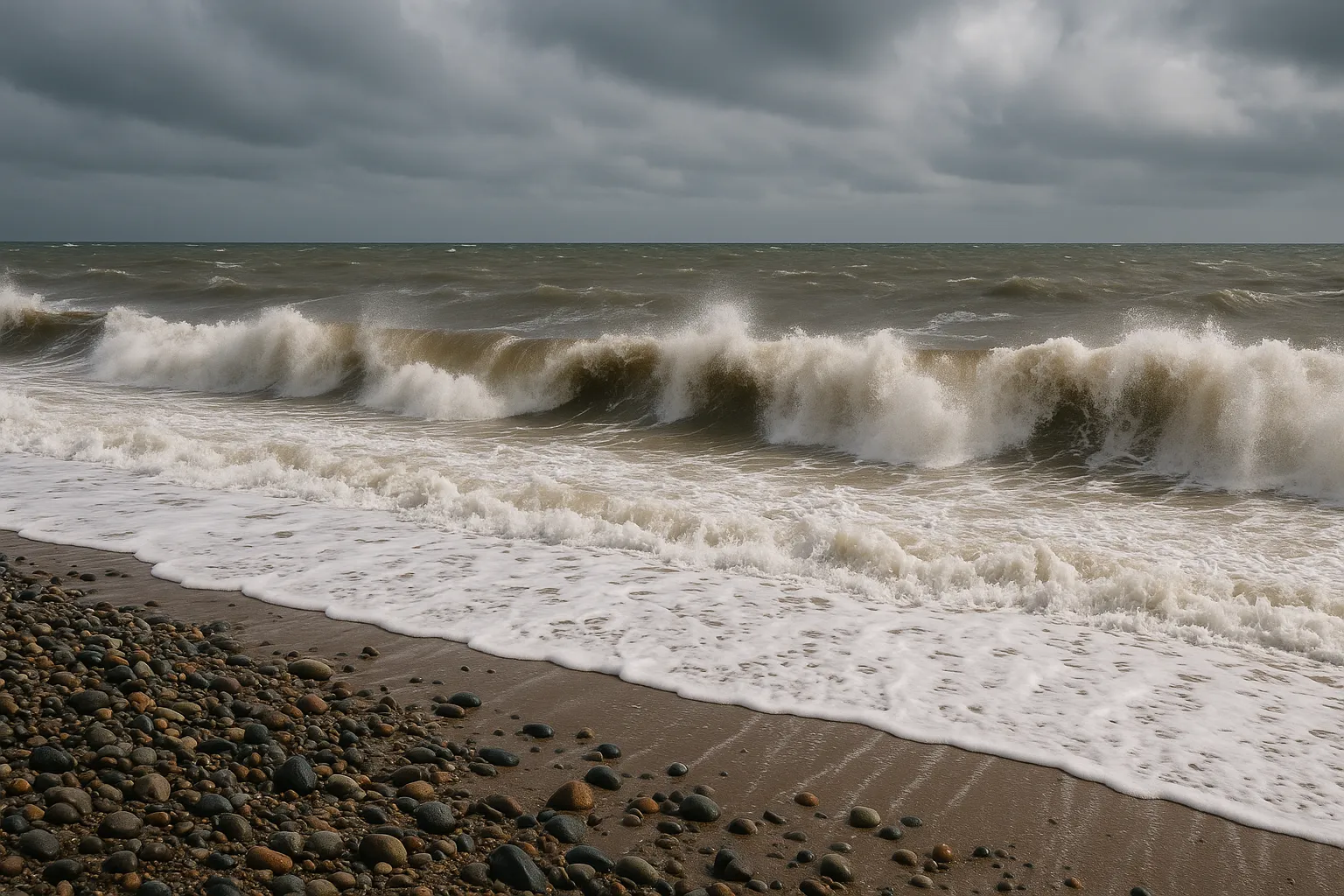
The Royal National Lifeboat Institution (RNLI) has highlighted the dangers associated with swimming in the UK’s winter waters, where temperatures can plummet to between 6 and 10 degrees Celsius (42.8 to 50 degrees Fahrenheit). These frigid conditions pose a significant threat, as they fall well below the critical 15 degrees Celsius (59 degrees Fahrenheit) threshold, beyond which cold water shock becomes a serious risk. Gareth Morrison, head of water safety at the RNLI, cautioned the public: “We are urging anyone entering the water to be aware of the dangers, check sea conditions carefully and to understand their own limitations.”
Furthermore, the UK Health Security Agency (UKHSA) has issued an amber cold weather health alert for the south-west region of England. This alert, effective from 20:00 GMT on 31 December until 10:00 GMT on 6 January, is expected to have significant effects on health and social care services and may lead to increased demand for health services during the festive period.
Additionally, the Met Office has announced a yellow weather warning, forecasting potential wind, snow, and ice incidents. These advisories come in light of statistics revealing that nearly 200 individuals lost their lives to accidental drowning in the UK during 2024, as noted by the National Water Safety Forum (NWSF).
Prof Mike Tipton, chair of the NWSF and director of the Extreme Environments Laboratory at the University of Portsmouth, elaborated on the physiological dangers of icy water exposure. He noted the activation of the body’s fight-or-flight response triggers a surge of stress hormones, which can lead to panic and disorientation. He stated, “People say it wakes them up, activates them. That’s the fight-or-flight response.” Prof Tipton also explained that the “cold shock response”—a natural reaction involving gasping for air upon immersion—contributes to approximately 60% of open-water fatalities each year.
He emphasized that water temperature is not the only critical factor; beach conditions must also be taken into account. “You could quite easily have a tonne of water hitting you when you go into some of these sea states,” he explained. His overarching advice remained clear: “If in doubt, stay out.”
The tradition of New Year’s Day swims persists in various coastal locations, including Gyllyngvase Beach in Cornwall. Lois Leonard, a representative from Gylly Bay Surf Lifesaving Club, confirmed that members of the surf club will be present to offer safety guidance to participants. “We’re not here to tell anybody whether it’s safe to go into the water or not, and we’re not here as a life-saving service,” she stated.
Leonard highlighted the importance of education surrounding water safety, advising swimmers to ease into the water gradually, begin by splashing their body to acclimatize, wear appropriate wetsuits, and avoid alcohol beforehand. “Please, we don’t want anybody running in and diving in; that really is very, very dangerous and can result in cold water shock. If you’re feeling worse for wear after a few drinks, give it a miss. The sea will be there another day,” she advised.
The Outdoor Swimming Society has also cautioned that various health conditions may complicate the experience of cold water swimming during the festive season. Specific ailments, such as pregnancy, asthma, and other respiratory issues, can exacerbate the body’s reaction to extreme cold. Heart conditions pose a particular risk, as sudden immersion can lead to increased heart rate and blood pressure, which heightens the chances of heart failure or stroke.
The society provided crucial guidance for those choosing to swim in cold waters, stressing the importance of prudent preparation. Their recommendations include:
1. **Swim Sober**: Avoid alcohol and drugs, as even small quantities can impair judgement and affect swimming ability.
2. **Identify Exit Points**: Ensure the location has a suitable exit option before entering any water; this is especially important in rivers where currents can vary dramatically.
3. **Know Your Swim Spot**: Consult local residents for insights on the safest areas to swim and pay attention to hazard signs in the vicinity.
4. **Understand Your Capabilities**: Be realistic about your own swimming skills and fitness level, and don’t take unnecessary risks in the water.
5. **Be Aware of Water Depth**: Before entering, assess the depth and any objects that may be present in the water.
As thousands of people prepare to partake in the joyous tradition of New Year swims, awareness and caution remain paramount to ensure the safety of all participants. The ocean will continue to beckon, and responsible choices can prevent potential tragedies in celebration of the new year ahead.
Our Thoughts
The incidents involving swimmers going missing highlight significant lapses in safety awareness and preparation. To prevent such tragedies, key measures include:
1. **Risk Assessment and Communication**: Promoting comprehensive pre-activity briefings and risk assessments could significantly reduce dangers associated with cold water swimming. Individuals should be informed about weather conditions and water temperatures, which can lead to cold water shock—a recognized risk under the Management of Health and Safety at Work Regulations 1999.
2. **Safety Guidelines Compliance**: Implementing strict adherence to safety guidelines, such as those provided by the RNLI, could help mitigate risks. This includes advice on entry techniques and wearing appropriate gear like wetsuits.
3. **Regulatory Breaches**: The lack of formal safety measures or guidance at public events may breach the Health and Safety at Work Act 1974, which mandates ensuring the safety of individuals in a workplace, which can extend to public events.
4. **Public Awareness Campaigns**: Increased community engagement by local surf clubs, emphasizing water safety education and encouraging people to stay sober and within their limits, could help prevent similar incidents.
Overall, emphasizing preparation, awareness, and adherence to safety regulations is crucial in preventing such occurrences.