














Story Highlight
– Hundreds participate in New Year’s Day swims nationwide.
– Caution advised due to dangerous icy water conditions.
– Two swimmers missing after Christmas Day incident.
– Met Office issues severe weather alerts across the UK.
– Health alerts upgraded amid risks for vulnerable populations.
Full Story
**Swimmers Brave Icy Waters for New Year’s Day Dips Across the UK**
On the morning of January 1, 2026, scores of adventurous swimmers took the plunge into frigid waters as part of traditional New Year’s Day festivities, despite a severe cold snap gripping much of the nation. Notably, more than 200 individuals gathered at Whitley Bay in North Tyneside, showcasing a vibrant mix of Christmas jumpers, festive hats, and in some cases, just swimming costumes. Residents and spectators lined the promenade, cheering on the participants as they welcomed the new year in true British style.
In a remarkable display of courage, a separate group of at least 100 swimmers participated in the Crossmichael Dip at Loch Ken in Castle Douglas, Scotland. This annual event, now in its 40th year, has gained a reputation for its charitable contributions, raising significant funds for local initiatives. Jim McLellan, the event’s organiser who has only missed one dip in its long history, joined the enthusiastic crowd and remarked, “It’s a great local event and the crowds also turned out to watch.” He underscored the chilling conditions, noting the water temperature hovered just below 4°C.
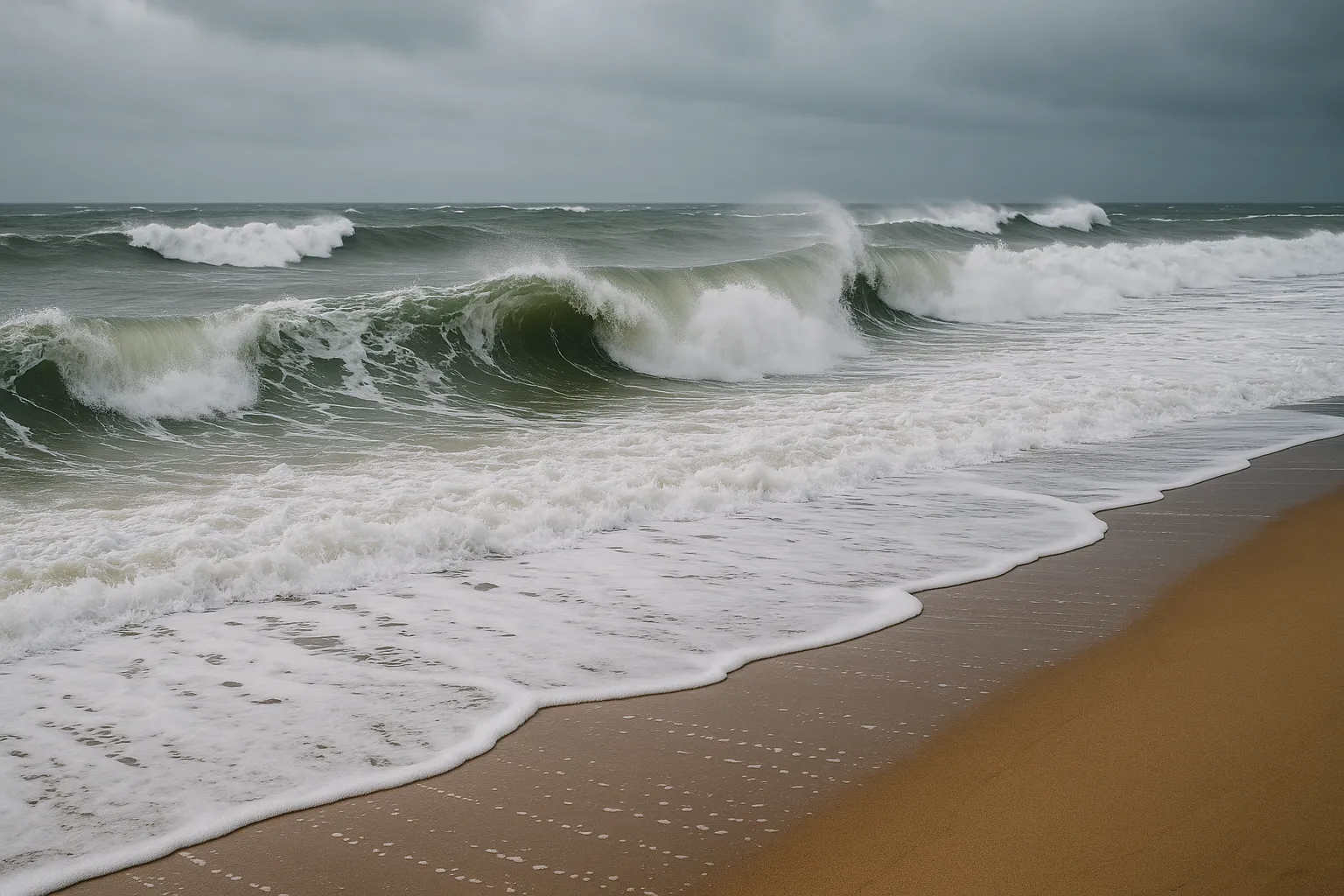
While the festive spirit attracted many, safety concerns were at the forefront of local authorities’ minds. The Met Office issued warnings for swimmers, particularly advising them to be cautious due to anticipated large waves along the eastern coastline. As conditions deteriorate, the Royal National Lifeboat Institution (RNLI) warned that water conditions would become dangerously unpredictable as the day progressed.
News of recent tragedies heightened these warnings; two men from Devon went missing during a Christmas Day swim in Budleigh Salterton, sparking fears for their safety. The body of Matthew Upham, 63, is believed to be lost at sea, alongside his swimming companion, a man in his forties. “It will be getting dangerous out there from about midday,” cautioned James Waters, a volunteer with Tynemouth RNLI. He explained that the calm conditions experienced earlier in the day would change rapidly, with expected swells reaching heights of 10 to 11 feet, posing a significant risk to life. Waters continued, “There are going to be pretty high waves dumping onto the beach, from around midday today until at least Sunday. We would warn people not to go into the sea due to the risks.”
In light of these dangers, the Tynemouth Volunteer Life Brigade previously issued a water safety alert set to remain in effect until January 3. Their statement warned of strong rip currents along various beaches in North Tyneside, which had already resulted in serious incidents this year. Tragically, one drowning occurred at Longsands beach when a non-swimmer was pulled out to sea. They urged those considering swimming, “Please be aware of the conditions, and if you’re not sure or you’re not comfortable, don’t go in the sea. If you do get caught in a rip, try to swim parallel to shore to escape and if you can’t do that, ‘float to live’ and shout for help.”
Meanwhile, additional challenges emerged across the UK as the Met Office expanded weather alerts for adverse wintry conditions. On Friday and Saturday, parts of the country could experience temperatures plummeting below freezing. An updated yellow alert for snow and ice now covers East Midlands, Yorkshire and the Humber, and the North East, indicating heightened risks related to hazardous weather.
For those in the Highlands, an amber warning has been issued for heavy snow showers expected to impact the region severely. The warning, valid from noon tomorrow through to noon Saturday, suggests that snowfall could reach up to 20cm in lower areas, with significant accumulation on higher ground potentially exceeding 40cm. Residents and motorists are advised to prepare adequately, ensuring winter essentials such as warm clothing, food, water, blankets, and car chargers are kept on hand while travelling.
This year marks the first amber alert since November, underscoring the seriousness of the weather situation, a theme that has been echoed throughout the year. In a response to the frigid conditions impacting the elderly and vulnerable, the UK Health Security Agency (UKHSA) has also upgraded cold weather health alerts to an ‘amber’ status across England. This change is particularly relevant in Midland and Southern areas, where previous yellow alerts have now intensified. Health services are preparing for a substantial impact on those at risk, as the biting cold continues to grip the nation.
In summary, while the festive spirit continues to shine through in various swimming events like the New Year’s Day dip, the harsh weather conditions pose significant challenges for both participants and the wider community. Safety remains paramount as warnings from local authorities remind individuals to exercise caution and consider the treacherous conditions expected in the days ahead.
Our Thoughts
To prevent incidents like the tragic drownings at swimming events in harsh weather conditions, several safety measures should have been implemented. Firstly, adherence to the Health and Safety at Work Act 1974 requires event organizers to conduct thorough risk assessments, particularly when extreme weather warnings are issued. Providing clear communication about the dangers of swimming in icy and turbulent waters, as suggested by the RNLI and local authorities, is essential.
Clearer guidelines could have been established regarding participant safety, such as mandatory pre-event briefings about the risks associated with cold water immersion and rip currents. Additionally, increasing the number of lifeguards and emergency response teams at these events could enhance safety.
Regulations surrounding public safety, such as the Management of Health and Safety at Work Regulations 1999, highlight the need for proactive measures in hazardous environments. Future incidents could be mitigated by postponing events during severe weather warnings, ensuring participant health and safety is prioritized over tradition.
Engaging with local authorities to enforce these practices would align with public safety protocols and prevent future tragedies during such events.