














Story Highlight
– BSR investigates impersonation of building control officers.
– Fraud reports from registered building inspectors initiated inquiry.
– Findings referred to national fraud service, Report Fraud.
– Call for national database to verify building control compliance.
– Industry leaders emphasize need for high professionalism standards.
Full Story
A thorough investigation examining the impersonation of building control officers has been forwarded to a national fraud reporting service, the Building Safety Regulator (BSR) has disclosed. The inquiry, which has gained significant traction, was initiated by the BSR’s professional standards unit last August, following several reports from registered building inspectors (RBIs) about suspected fraudulent practices.
RBIs play a critical role in ensuring that construction projects adhere to safety and building regulations. They typically work within local authorities, the BSR, and other accredited building control bodies, either in employment or on a contractual basis. In the UK, impersonating an RBI or a Registered Building Control Approver (RBCA) constitutes a criminal offence.
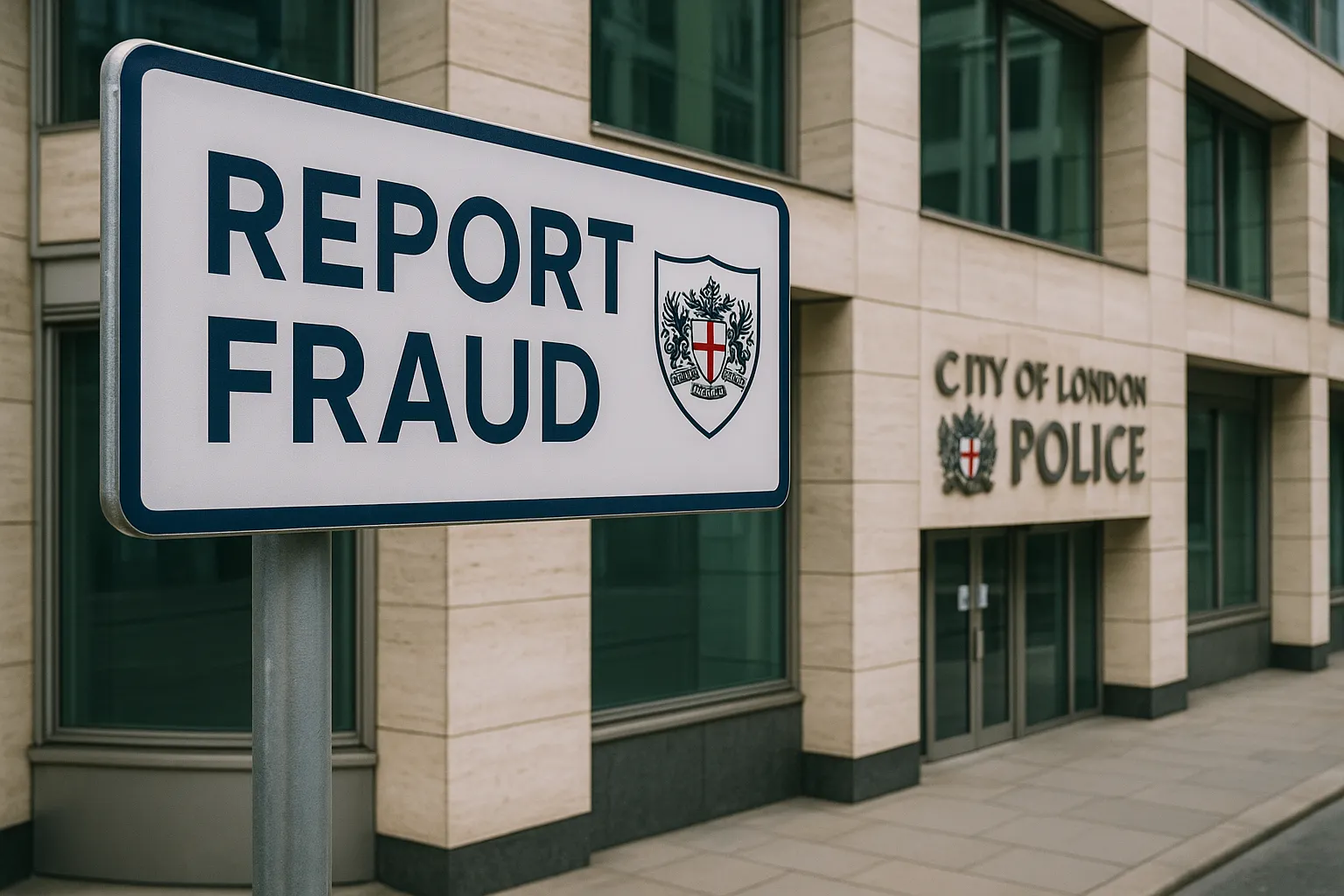
The BSR became increasingly concerned about the prevalence of fraudulent activities after reports emerged from various firms alleging misuse of their identities. These reports included instances where notices were authorised in the names of RBIs, despite the inspectors having no record of issuing them. The situation prompted the BSR to act swiftly, culminating in a referral to Report Fraud—formerly known as Action Fraud—associated with the City of London Police and other law enforcement agencies.
By December, it was determined that the investigation would proceed under the auspices of Report Fraud. A BSR spokesperson commented, “Following an initial investigation undertaken by the BSR, this matter has been referred to Action Fraud. BSR continues to work with intelligence colleagues and other stakeholders and will assist any further investigation.”
Geoff Wilkinson, the managing director of Wilkinson Construction Consultants, a building control approver, expressed concerns regarding the matter. He revealed that some inspectors have reported the alarming trend of counterfeit certificates and notices being generated through artificial intelligence technology. To tackle this challenge, Wilkinson suggested a more centralised approach to processing notices. He proposed that the BSR adopt a model similar to the Health and Safety Executive’s (HSE) management of F10 certificates related to construction projects.
Wilkinson elaborated, “This could be a single national database that anyone can check, with notices subject to two-factor authentication verification back to the relevant RBI. Currently, each local authority has its own system, and it’s rarely possible for the public to verify which building control body and which RBI is responsible for that project.” He also noted that implementing a national database could provide the government with comprehensive building statistics, offering vital insight into ongoing construction projects and completed homes.
Martin Taylor, executive director at Local Authority Building Control (LABC), welcomed the BSR’s proactive stance against fraudulent activities, characterising the actions taken by the regulator’s intelligence unit as commendable. He stressed that while such instances are infrequent, local authority building control teams routinely report any suspicious behaviour to the regulator as part of their public service obligations. Taylor urged developers or social landlords encountering dubious Initial Notices or inspections to report these to the BSR without delay, underscoring the need for vigilance as the sector strives for enhanced standards of building control.
The Association of Registered Building Inspectors (ARBI) also expressed approval of the regulator’s investigation. Colin Blatchford-Brown, a registered building inspector representing the association, stated the importance of compliance within the regulatory framework set by the BSR. He asserted that it is crucial to identify and address those who may be fraudulently claiming registration. Blatchford-Brown encouraged hiring parties to verify the authenticity of building control bodies through publicly available registers.
The landscape of the building control industry in the UK is undergoing substantial transformation, largely driven by the regulatory reforms brought about by the Building Safety Act of 2022. The establishment of the Building Control Independent Panel (BCIP) last year was a notable step, which highlighted the complexities inherent in the mixed public and private sector model for building control in England.
Nevertheless, the investigation’s referral to Report Fraud signifies the serious nature of the allegations surrounding impersonation in the building control arena. While the authorities have not provided specifics on the ongoing inquiry, the BSR’s active engagement with law enforcement highlights its commitment to maintaining integrity within the sector.
For industry professionals, there is a pressing need to remain alert and vigilant. The BSR continues to call for collaboration among stakeholders to safeguard against fraudulent activities. The establishment of stricter protocols and verification processes combined with a national database could not only enhance transparency but also reinforce public confidence in building control practices.
As the sector navigates these challenges, the ultimate goal remains clear: to ensure the safety and compliance of construction projects throughout the UK. The BSR’s actions signal a pivotal moment in reinforcing regulatory frameworks and promoting a culture dedicated to high professional standards within the building control industry.
As the investigation unfolds, stakeholders will undoubtedly be watching closely, hoping for swift and appropriate measures to address and rectify these fraudulent activities while bolstering the integrity of the building regulatory system.
Our Thoughts
The impersonation of building control officers highlights critical gaps in the regulatory framework that could have been addressed to prevent fraud. Key safety measures could include implementing a unified, national registration system for building inspectors that incorporates two-factor authentication for verification, as suggested by industry professionals. This would improve accountability and traceability of building control approvals, aligning with the Health and Safety at Work Act 1974’s requirement for maintaining safe working conditions.
The situation reveals potential breaches of the Fraud Act 2006, particularly concerning misrepresentation in professional capacities. Local authorities and building control bodies should have established more rigorous verification processes to confirm the identity and credentials of inspectors.
To prevent similar incidents, mandatory training and awareness campaigns for both building control staff and stakeholders on recognizing fraudulent documentation may be beneficial. Additionally, enhancing reporting mechanisms encourages vigilance and promotes a culture of safety and ethical practice in the construction industry. These steps would align with the Building Safety Act 2022 provisions which aim to elevate safety standards across the sector.