















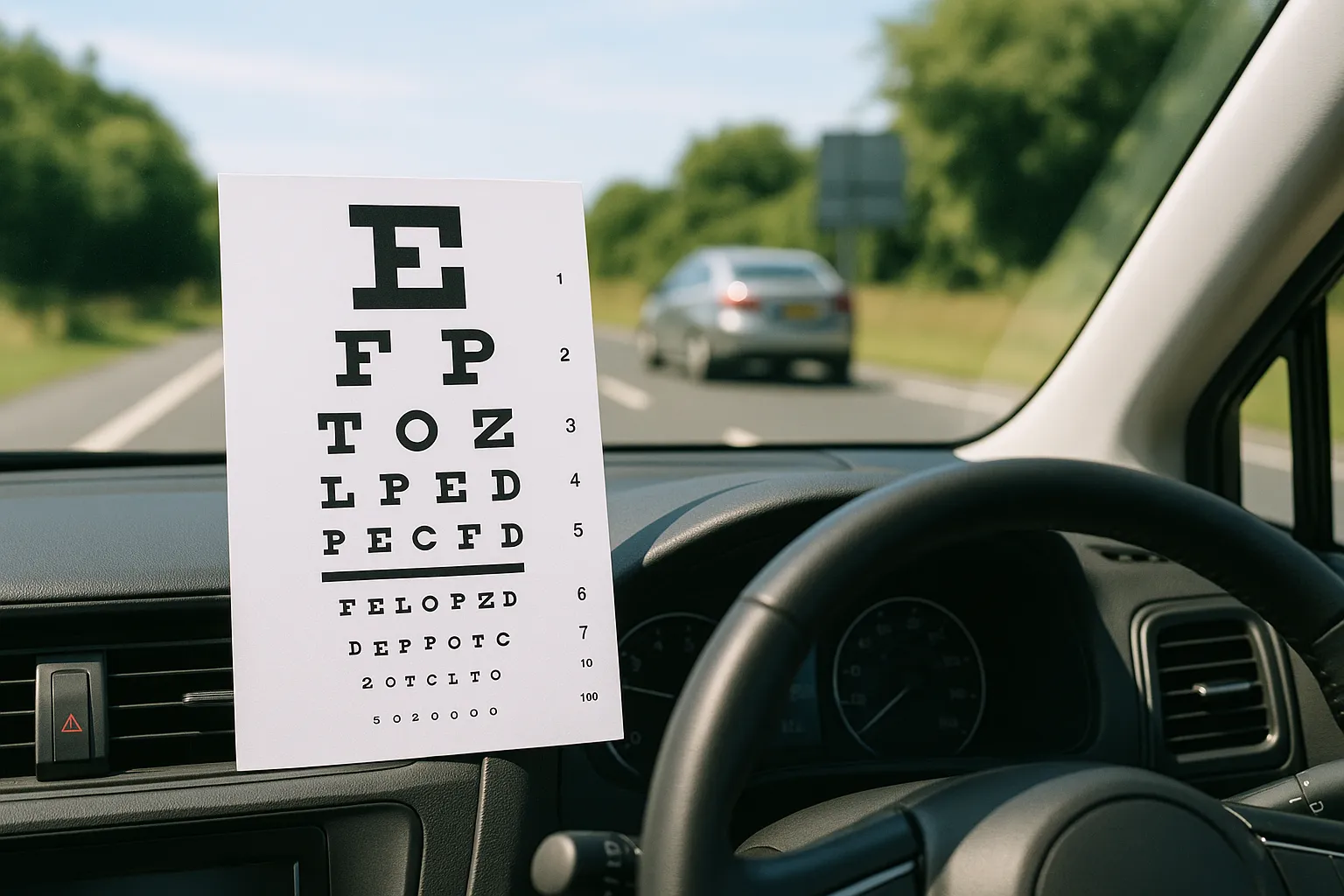
Story Highlight
– New assessments for road users’ eyesight aim to boost safety.
– Consultation includes potential cognitive assessments for drivers.
– Current self-certification for drivers over 70 faces scrutiny.
– Mandatory tests may prevent unsafe drivers from remaining licensed.
– Older drivers at risk due to cognitive impairments like dementia.
Full Story
New proposals to assess the vision of older drivers aim to enhance road safety across the UK. A consultation initiated by the Department for Transport (DfT) is set to explore mandatory eye tests for drivers aged 70 and above. However, the consultation also acknowledges the importance of considering additional measures related to overall fitness to drive.
Lillian, a representative from the DfT, emphasized the broader picture, stating: “While this consultation is focused on the mandatory eyesight testing of drivers aged 70 and over, we also recognise that more will need to be done to address wider health conditions associated with an ageing population and the increase in older drivers predicted.” This highlights the need to take into account the various health challenges faced by senior citizens, particularly as their numbers in the driving population increase.
Currently, the regulations stipulate that drivers over the age of 70 must self-assess their fitness to drive every three years. However, this system has faced significant criticism from experts in the field. A leading coroner has characterised the UK’s licensing framework as one of the “laxest in Europe,” raising questions about its effectiveness in ensuring road safety.
In response to concerns about the potential dangers posed by older motorists, some voluntary assessments are already available, which evaluate cognitive functions such as memory and attention. Nonetheless, there is a growing consensus that mandating such tests could provide a crucial safeguard against unfit drivers remaining on the roads. The DfT’s report indicated that various initiatives could enhance safety for older drivers and other road users, such as implementing mandatory eyesight and cognitive assessments upon licence renewal, and increasing the role of healthcare professionals in evaluating drivers’ fitness.
Older individuals commonly face cognitive conditions, with Alzheimer’s and dementia being notable risks that could impair driving abilities. Experts warn that even minor cognitive deficits can lead to dangerous driving behaviours, such as drifting into adjacent lanes or exceeding speed limits. As Lillian pointed out: “I want to support drivers as they become older. I recognise that having a driving licence is a lifeline for many and provides independence and freedom. However, we need to ensure older drivers can continue to drive safely as long as they are fit and healthy to do so.”
The proposed reforms are part of a wider conversation on road safety as the population ages. With predictions suggesting a sustained rise in the number of older drivers, the need for an effective mechanism to assess their fitness to drive becomes increasingly critical. Stakeholders are considering not only eyesight and cognitive tests but also medical reviews, which could involve healthcare practitioners being legally obliged to report patients to the DVLA if they are deemed unfit to drive.
Such measures indicate a shift towards a more proactive approach to road safety, specifically targeting the needs and challenges faced by older drivers. This could help mitigate the risk of accidents involving this demographic, thereby protecting not only the drivers themselves but also other road users.
While the implementation of mandatory eye tests is still under discussion, the consultation period will allow for various perspectives to be considered, including feedback from road safety advocates and healthcare professionals. The DfT is keen to hear from the public about their views on these potential changes.
At the heart of this proposed assessment overhaul is a commitment to maintaining independence for older drivers while prioritising safety on the roads. The DfT’s initiative reflects a growing recognition of the complexities around ageing drivers and seeks to implement effective solutions that balance the need for personal freedom with public safety.
As societal attitudes shift towards older individuals’ capabilities and contributions, discussions around driving assessments will need to evolve. Enhancing road safety involves a partnership among government agencies, health professionals, and the broader community, ensuring that older road users receive the support they require to navigate their later years safely.
Ultimately, the outcome of this consultation will not only have implications for drivers aged 70 and above but may also set precedents for future policies regarding other age groups, particularly as advancements in vehicle technology and healthcare continue to emerge. Balancing safety with accessibility remains a central challenge in addressing the needs of an ageing population.
In summary, the DfT’s consultation regarding the eyesight testing of older drivers signals a pivotal movement towards enhancing road safety in the UK. By exploring comprehensive measures that consider both eyesight and cognitive health, the emphasis is placed on safeguarding the wellbeing of older drivers, as well as the wider public.
Our Thoughts
To enhance road safety and prevent incidents involving older drivers, several measures could be implemented. First, establishing mandatory eyesight and cognitive assessments during the licence renewal process could significantly reduce the risks posed by drivers who may not meet safety standards. Current self-certification processes, particularly after the age of 70, may lead to dangerous oversights, as individuals might not accurately assess their own fitness to drive.
The UK’s Health and Safety at Work Act 1974 mandates that employers ensure the health and safety of their employees and others affected by their activities. This includes promoting measures that can reduce risks on the road. Implementing ‘duty of care’ regulations for healthcare professionals to report unfit drivers to the DVLA could further prevent dangerous situations and protect the wider community.
Additionally, integrating regular medical assessments and increasing healthcare professionals’ involvement in the driving fitness evaluation would foster a more robust safety culture among older motorists. By acknowledging and addressing the potential cognitive impairments associated with aging, significant improvements can be made in safeguarding both older drivers and the public.