
















Story Highlight
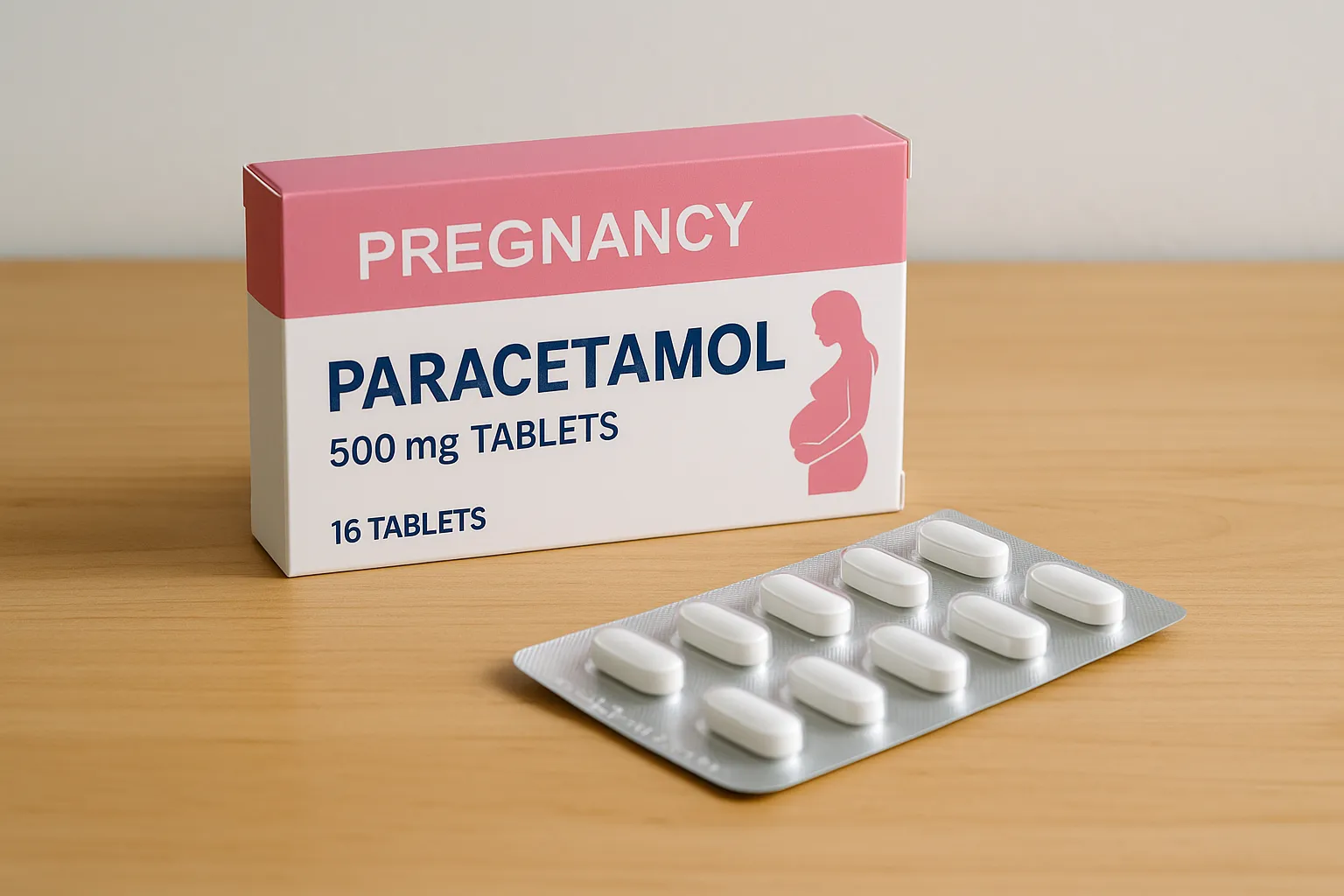
– Paracetamol use during pregnancy is safe, study concludes.
– No link found to autism, ADHD, or intellectual disabilities.
– Study refutes claims made by Donald Trump on Tylenol.
– Research involved 43 studies and sibling comparison analysis.
– Experts emphasize paracetamol as first-line treatment for pain.
Full Story
A recent comprehensive review published in The Lancet Obstetrics, Gynaecology and Women’s Health has found that pregnant individuals can safely take paracetamol as directed without elevating the risk of autism, attention-deficit hyperactivity disorder (ADHD), or intellectual disabilities in their children. This research aims to clarify and counter early claims that suggested potential harmful effects of the widely used painkiller.
The review directly addresses statements made by former U.S. President Donald Trump in September, who had linked a “meteoric rise” in autism cases to the use of paracetamol, known as Tylenol in the United States. Trump suggested that expectant mothers should refrain from using the pain reliever, urging them instead to endure discomfort without medication. His remarks sparked considerable backlash from autism advocates and the scientific community, who argued that such claims were unfounded.
The team behind the new review, which included prominent UK specialists, conducted a thorough examination of research literature focused on the effects of paracetamol during pregnancy. They meticulously sifted through various databases to find studies that provided risk estimates for autism, ADHD, and intellectual disabilities. In total, the review incorporated findings from 43 studies in a systematic overview and 17 in a meta-analysis—an approach designed to synthesise results from multiple investigative efforts.
Among the critical methodologies employed in this research were sibling comparison studies. These studies compare siblings born to the same mother, exposing one child to paracetamol while the other may not have been exposed, allowing for a more controlled analysis of potential outcomes. The research team concluded with confidence that exposure to paracetamol during pregnancy showed “no association with the risk” of developing autism spectrum disorder, ADHD, or intellectual disabilities.
The authors stated, “Current evidence does not indicate a clinically important increase in the likelihood of autism spectrum disorder, ADHD, or intellectual disability in children of pregnant individuals who use paracetamol as directed, supporting existing recommendations on its safety.” This assertion aligns with the guidance from various medical bodies worldwide, reaffirming the benefits of paracetamol as a safe option for managing pain and fever during pregnancy.
Professor Asma Khalil, a consultant obstetrician and fetal medicine specialist at St George’s Hospital in London and the lead author of the study, underscored the significance of these findings for the millions of pregnant individuals. She remarked, “We found no clinically important increase in the risk of autism, ADHD or intellectual disability in children where the mothers took paracetamol during pregnancy. This is the important message to the millions of pregnant individuals—paracetamol is safe to use in pregnancy. It remains the first-line treatment that we would recommend if pregnant women have pain or fever, and it’s also consistent with recommendations or the guidelines set by various national or international bodies.”
The academic community has praised the findings of this study for potentially alleviating concerns among expectant mothers. Professor Grainne McAlonan, a professor of translational neuroscience at King’s College London, expressed relief at the clarity brought by the research. She noted, “Expectant mothers do not need the stress of questioning whether the medicine most commonly used for a headache could have far-reaching effects on their child’s health. This thorough and clear study approached the question by conducting both a substantial systematic review of the literature and a meta-analysis of eligible studies.”
McAlonan highlighted the importance of the sibling design studies in ensuring that family history did not skew the results, reinforcing the conclusion that there was no link between the use of paracetamol during pregnancy and any increased risk of developmental disorders in children. She added, “While the impact of last year’s announcement has been extensive, I hope the findings of this study bring the matter to a close.”
The UK health authorities have echoed these sentiments. Health Secretary Wes Streeting reassured the public, stating, “This major review can, yet again, reassure mothers-to-be everywhere that there is no evidence whatsoever to link the use of paracetamol by pregnant women to autism, ADHD or disabilities in their children. Our country’s leading scientists, doctors and the NHS are clear that paracetamol is safe to take when pregnant and in pain or suffering a fever.”
This extensive inquiry into the safety of paracetamol during pregnancy comes at a time when pregnant individuals often face conflicting information about medication use. The rigorous standards of this study provide a critical resource for healthcare providers and the public, potentially dispelling lingering doubts regarding the medication’s safety.
As healthcare professionals and researchers continue to navigate the complexities of maternal care, the evidence supporting the use of paracetamol offers a cornerstone of reassurance for those facing common health issues during pregnancy. The publication of these findings is anticipated to support healthcare workers in guiding expectant mothers, ensuring they have accurate information to make informed decisions regarding their health and wellbeing.
Our Thoughts
The article does not present a situation that highlights a Health and Safety incident or breach relevant to UK legislation. Instead, it focuses on the safety of paracetamol use during pregnancy and addresses misinformation from public figures. There are no key safety lessons or relevant regulations concerning an incident that could have been avoided. Therefore, no analysis regarding what could have been done differently, revisions of procedures, or prevention strategies is applicable to this text.