
















Story Highlight
– Bread is overly processed in supermarket choices.
– Focus on wholegrain loaves for better nutrition.
– Rye bread can improve appetite regulation naturally.
– Health benefits outweigh cost concerns of quality bread.
– Dietary changes can significantly enhance health outcomes.
Full Story
Bread is a staple in the modern British diet, often seen as a reliable accompaniment to meals, a quick solution for late-night snacks, and a go-to for feeding children during busy days. However, alongside its comforting role, it is increasingly becoming a subject of scrutiny due to its nutritional content and manufacturing processes. Many loaves found on supermarket shelves are laden with additives and preservatives, prompting health experts to sound the alarm about what hidden ingredients we consume.
Dr Rupy Aujla, a general practitioner and a familiar face from The Doctor’s Kitchen, has been vocal about the concerning trend in bread production. He asserts that bread should ideally contain no more than four basic ingredients: flour, water, yeast, and salt. However, he notes that the reality in many commercial breads is starkly different, with some containing upwards of 19 ingredients, including emulsifiers and stabilisers that extend shelf life. “A lot of people don’t realise how processed breads are,” he comments, highlighting a crucial disconnect in consumer awareness.
Aujla isn’t alone in his concerns. Registered nutritionist Rob Hobson, who authored The Low Appetite Cookbook, agrees that while bread is a key component of many diets, the type and quality of bread consumed are integral to its health benefits. He explains that breads made from refined flour and those low in dietary fibre offer minimal nutritional value. Dr Federica Amati, head of nutrition at the research initiative Zoe, warns that many of the commonly available breads are made with refined flours, added sugars, and various preservatives, which can negatively affect overall health. However, she maintains that “bread can absolutely be part of a healthy, balanced diet” if consumers choose wholegrain options with simple ingredient lists.
Responding to these concerns, Aujla has initiated a campaign titled “Rye January” in collaboration with the organic brand Biona. This initiative encourages people to replace their usual bread with traditional rye bread for the month of January. Unlike other January health campaigns that promote restrictions, Aujla emphasises that “Rye January is all about a simple swap that’s more about addition,” inviting people to improve their dietary habits in an enjoyable way, rather than imposing a rigid abstinence.
He points out a general lack of awareness among consumers regarding the composition of commercial breads. “I think it will be surprising to a lot of people that food manufacturers are putting these ingredients into their products because it makes it cheaper and a lot more shelf-stable,” he says. This trend has resulted in the bread aisle of supermarkets becoming what he describes as a “stealth UPF zone” (ultra-processed food zone), misleading consumers into thinking that products labelled as “brown” or “multiseed” are automatically healthy.
Nutritionist Rob Hobson notes that the average consumer is not receiving the fibre they need, stating that an alarming 96% of the population fails to meet the daily target of 30 grams. Fibre plays a crucial role in various health benefits, including aiding digestion, maintaining stable blood sugar levels, and reducing the risk of chronic diseases like heart disease and type 2 diabetes. “Fibre supports fullness,” he explains, further reinforcing the need for bread that offers genuine nutritional benefits.
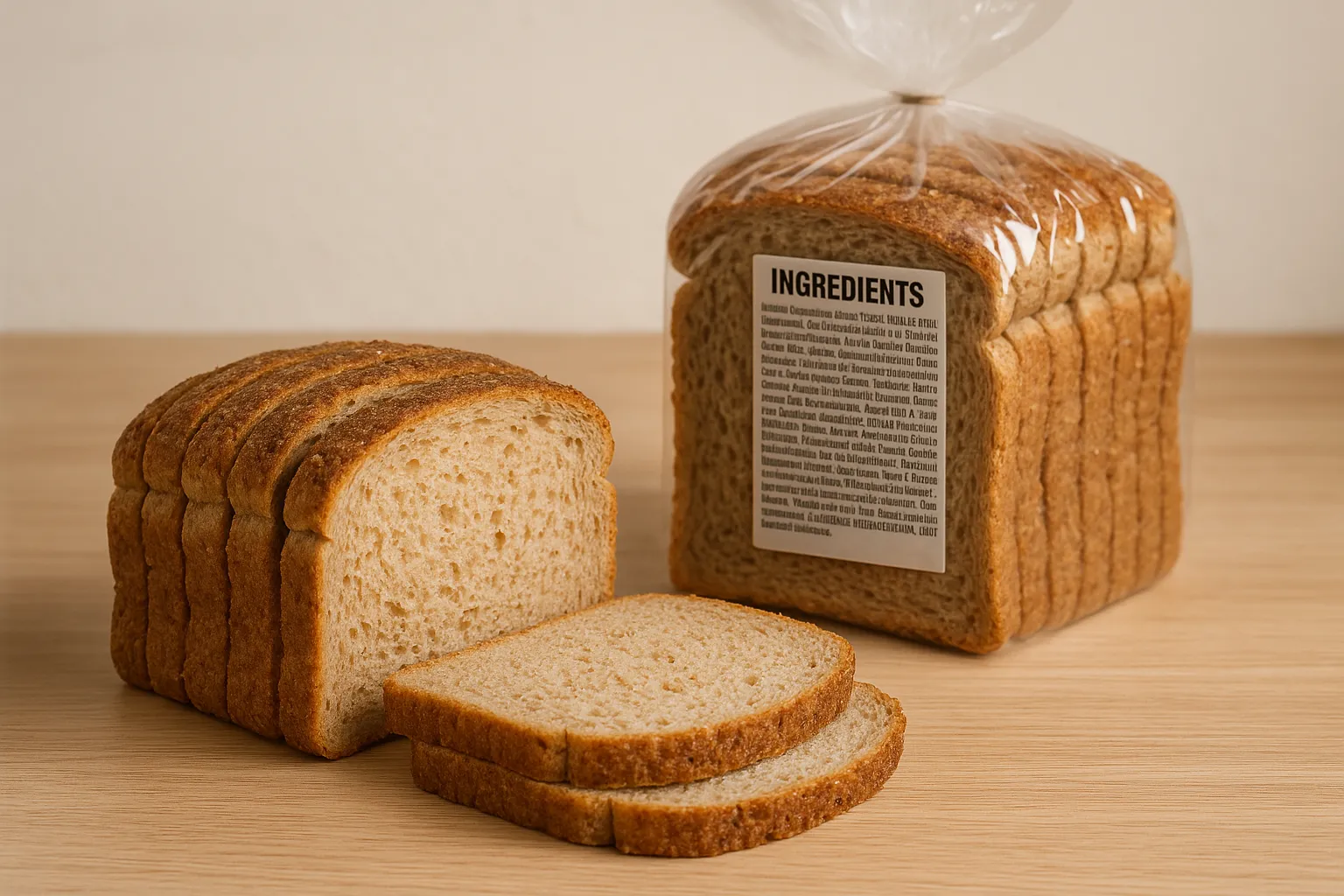
To make informed decisions while purchasing bread, experts recommend examining the back of the packaging rather than the front. This approach allows consumers to prioritise products with minimal, recognisable ingredients. Aujla underscores the importance of fibre in foods, revealing that certain rye breads can contain as much as 10 grams of fibre per 100 grams, a stark contrast to many supermarket brands that lack similar nutritional value.
Moreover, the fibre content in rye can significantly influence how hormones affecting appetite are regulated. Aujla articulates that “because it’s higher in fibre, it’s going to be better at releasing GLP-1 naturally from your digestive tract,” which can help with appetite suppression. This could prove more appealing to those seeking to manage their weight without resorting to pharmaceutical aids.
Another crucial benefit of rye bread is its potential to improve cardiovascular health. Studies have indicated that it can effectively lower levels of LDL cholesterol, commonly referred to as the “bad” cholesterol. Dr Amati mentions that rye contains a unique composition of fibres that support gut health while also contributing to more stable glucose responses.
Cost considerations remain a challenge for some consumers, as artisanal rye bread tends to be priced higher than conventional white loaves. Aujla offers a fresh perspective on value, suggesting that the satiety provided by rye can justify its price. “When you eat white bread, you might consume multiple slices yet still feel unsatisfied,” he explains. However, he argues that with rye, “two or three slices can provide a feeling of fullness,” allowing for better nutrition without the need to overindulge.
As the new year unfolds, Aujla encourages individuals to think about the positive dietary additions they can make rather than what they must cut out. He believes that embracing rye bread is a straightforward yet impactful choice for enhancing one’s diet. “January should be about what you could add to your diet that perhaps you haven’t enjoyed or experienced before,” he says.
For those who find their budgets limiting, Aujla insists that baking bread at home is a feasible option, fuelling a resurgence in traditional baking methods. His own fascination with diet and nutrition began during his early career in medicine when he recognised the impact of his dietary choices on managing his health condition.
He concludes with a hopeful vision for the future, stating that widespread changes in dietary patterns could largely alleviate health issues associated with processed foods. “If we can radically shift how we consume food and how we shop for food, we can have a huge impact on the health of the nation,” he asserts, emphasising the need for greater awareness and empowerment among consumers.
For those curious to learn more about Rye January and potentially revolutionise their bread choices, further information is available on the Biona website.
Our Thoughts
The article highlights the health risks associated with ultra-processed bread, which often contains numerous additives. To prevent similar health issues, consumers and manufacturers should prioritize transparency in ingredient labeling in line with the Food Labelling Regulation (EU) No 1169/2011, ensuring that harmful additives are clearly identified.
Key safety lessons include the need for public awareness regarding food processing and ingredient quality, which could be enhanced through educational campaigns advocating for minimally processed alternatives. The Health and Safety at Work Act 1974 emphasizes the responsibility of employers to ensure the safety and well-being of consumers, which extends to food quality.
Additionally, the Food Safety Act 1990 establishes regulations that require that food products should not be harmful to health. Manufacturers breaching these regulations by using misleading health claims or inadequately informing consumers about the content could face legal consequences.
Encouraging consumers to seek wholegrain, minimally processed options and promoting home baking could mitigate the reliance on ultra-processed products, fostering a healthier diet overall. Adopting these practices can help reduce the rising health concerns linked to processed foods, like obesity and type 2 diabetes.