













Story Highlight
– Government warns baby sleep pillows linked to 200 deaths.
– Unsafe sleep environments major cause of infant fatalities.
– Baby pillows pose risks for infants under 12 months.
– Many products lack safety testing and clear warnings.
– NHS advises against pillows in infants’ sleeping spaces.
Full Story
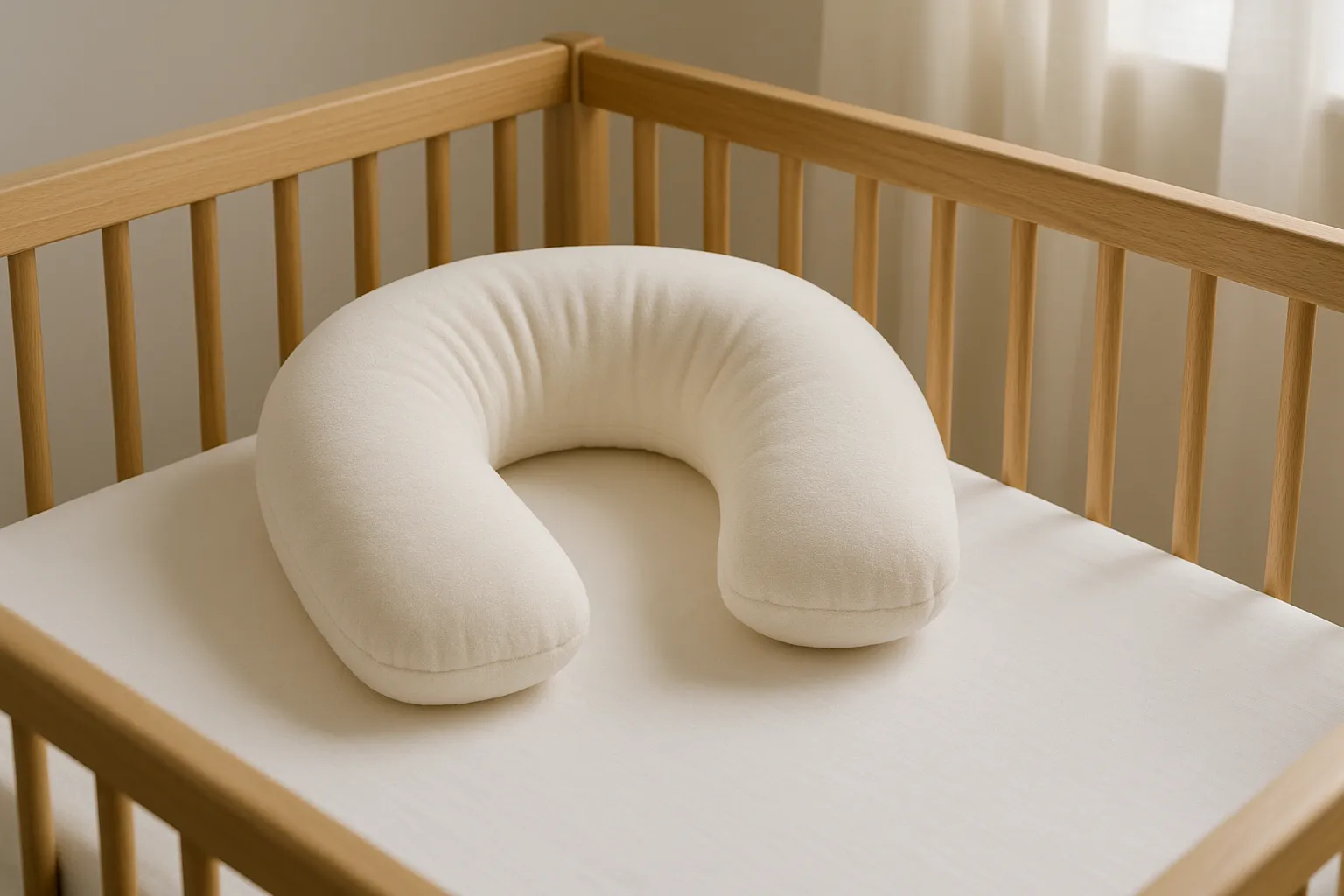
The UK government has issued a stark warning regarding baby sleep pillows marketed online as “comfort” or “support” items, highlighting their association with nearly 200 infant fatalities. These products, often soft and U-shaped, have been implicated in cases where infants have ended up in dangerous positions leading to airway obstruction and suffocation, prompting a strong response from health and safety authorities.
In a recent safety alert released by the Office for Product Safety and Standards (OPSS), officials indicated that these pillows pose significant risks, particularly for babies under the age of 12 months. The alert explicitly states that these items should never be used in cots or cribs, as they can contribute to unsafe sleeping environments. The growing market of soft cushions, labelled under various names such as baby comfort cushions and sleeping pillows, has caught the attention of health experts and regulators alike.
Professor Carl Heneghan, Director of Evidence-Based Medicine at the University of Oxford, emphasised the dangers of these products in a post on his “Trust the Evidence” Substack last week. He pointed out that the pillows are consistently linked to tragic outcomes in both the UK and abroad: “They are dangerous because they have been linked to child fatalities in the UK and overseas.” The professor noted that such items keep surfacing in investigations around infant deaths, underscoring a concerning trend that needs urgent attention.
While there is no exact tally of infant deaths in the UK specifically attributed to these sleep pillows, national data highlights that unsafe sleeping conditions are a leading factor in infant mortality. Recent findings from the National Child Mortality Database spotlighted that within a review of 1,663 child deaths in the year concluding in March 2025, 188 – approximately 11.3% – were associated with “unsafe sleeping arrangements” for infants under one year old. Experts have classified this category as including risks from soft bedding, cushions, and other items that can block airways or lead to overheating.
The OPSS strongly advises against the use of baby sleep pillows for infants, particularly those younger than 12 months. Their warning indicates: “These products promote sleep or care practices that contravene NHS Safe Sleep guidance and can give rise to significant harm or death.” Despite the serious nature of these warnings, the pillows remain readily available for purchase online, raising concerns over consumer safety.
Due to the increase in online shopping, many baby products, including pillows, are being sold by less reputable vendors who may not subject their merchandise to rigorous safety testing. Professor Heneghan noted, “Due to the rise in online sales, many baby products sold by unscrupulous sellers have not undergone safety testing, increasing the risk of purchasing unsafe items.” Listings for these products often include warnings in small print, yet the accompanying images typically show infants comfortably resting on these pillows, which contradicts the safe-sleep guidelines that experts advocate.
A poignant case involved an eight-week-old baby named Savannah-Rose Michelle Owen, who tragically died after falling asleep on a nursing pillow on a sofa in April 2018. A coroner’s inquest into her death underscored the potential dangers of these pillows, revealing that unless measures are implemented to address the risks, further tragedies are likely to occur. The report identified significant gaps in product safety regulations and highlighted the potential for parents to be misled by unclear warnings and marketing imagery that depicts unsupervised babies on such cushions.
Although UK authorities have not released specific statistics on deaths connected to infant pillows, a US investigation has linked nursing pillows to a minimum of 162 infant fatalities from 2007 to 2023. This alarming data has already led to the introduction of stricter federal safety regulations that will require nursing pillows to have firmer designs and clearer safety warnings as of 2024.
Professor Heneghan remarked on the recurring issues with hazardous baby products, citing past instances like the Rock ’n Play sleeper, which saw 4.7 million units sold before a recall was issued following reports of approximately 100 infant deaths linked to its use. He stated, “Warnings are there, but they’re easy to miss and hard to square with the images parents see.” This observation draws attention to the failures in public health messaging that have persisted over the years.
The NHS guidelines unequivocally state that infants should be placed to sleep on their backs on a firm, flat surface without pillows or loose items in their sleeping area. Professor Heneghan reiterated the simplicity of these guidelines, stating: “This isn’t complicated. For years now, the same thing keeps cropping up in the evidence: soft pillows and cushions don’t belong anywhere near sleeping babies.”
As awareness of the risks associated with these bedtime products continues to grow, parents and caregivers are urged to heed safety guidelines and remain vigilant against the purchasing of potentially dangerous items that could jeopardise the well-being of their infants. The call for clearer regulations and consistent messaging from health authorities is more pressing than ever, as experts work to prevent further tragedies in the future.
Our Thoughts
To prevent the tragic incidents linked to baby sleep pillows, several actions could have been taken. Increased regulation and stricter enforcement of existing UK product safety standards would have been vital. The Consumer Protection Act 1987 could have been applied to ensure that such products are not marketed without proper safety checks, especially for items targeting vulnerable populations like infants.
Clearer labeling and warnings on product packaging, alongside more stringent online marketplace regulations to prevent misleading advertising, would help inform parents of the dangers associated with these items. The government’s guidance on safe infant sleep arrangements should be more prominently enforced across all platforms where baby products are sold.
Key safety lessons include the need for consistent public health messaging and robust oversight on products marketed for infant use to combat the rise of unsafe items sold online. Inconsistent warnings and misleading imagery contribute to unsafe practices that can lead to suffocation or other fatalities. Continuous monitoring and review of product safety related to infant sleeping arrangements could further reduce risks.