













Story Highlight
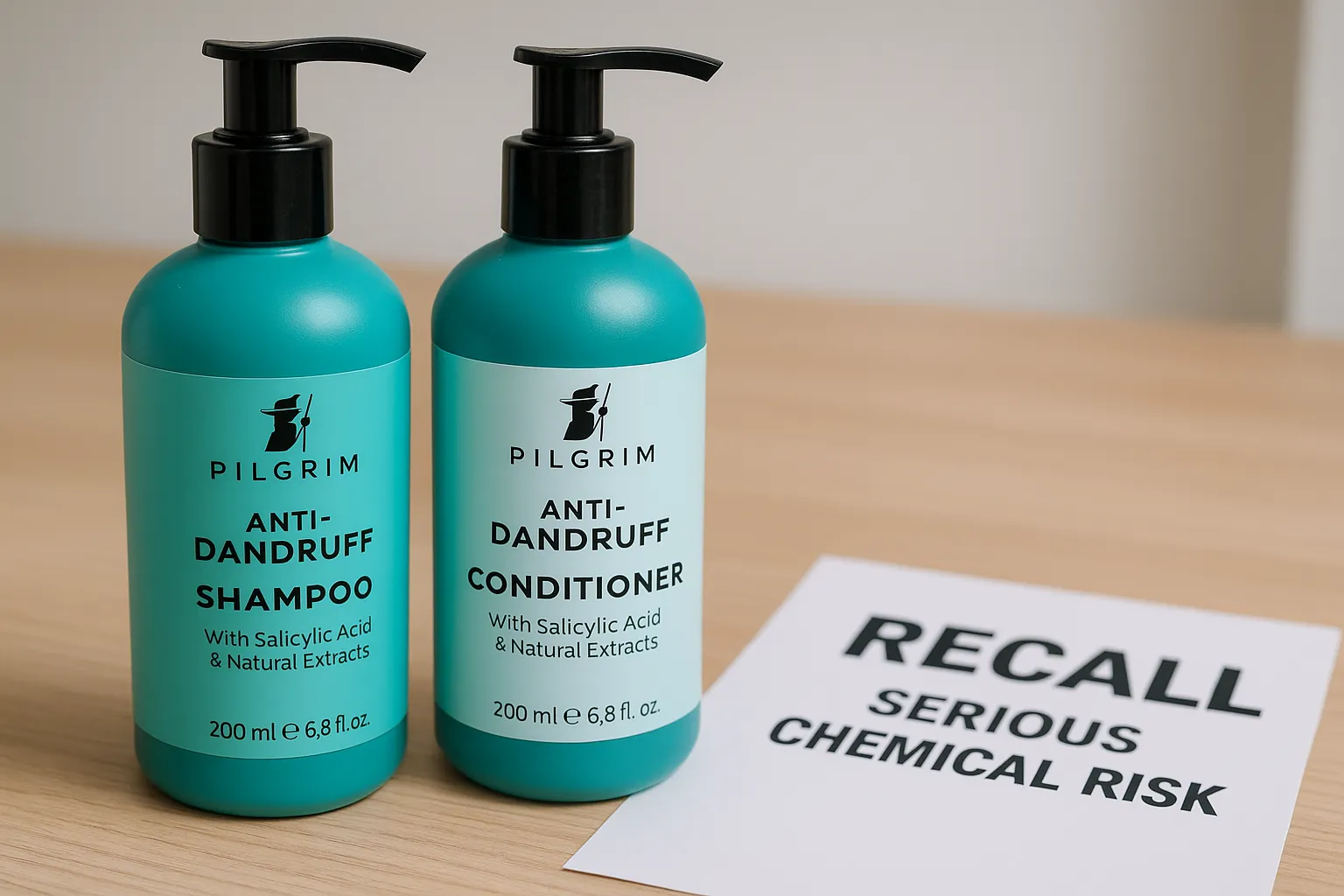
– Pilgrim Anti-Dandruff set recalled for serious chemical risk.
– Contains banned ingredient Zinc Pyrithione in products.
– Products removed from Amazon and UK borders.
– Undeclared allergens may cause allergic reactions.
– Two perfumes also recalled for containing prohibited substance.
Full Story
The Office for Product Safety and Standards (OPSS) has raised alarms regarding a popular haircare product due to serious health concerns linked to its chemical composition. Following these revelations, the Pilgrim Anti-Dandruff Shampoo and Conditioner Set has been removed from sale, predominantly on online platforms such as Amazon, where it had previously gained consumer traction.
This recall stems from the detection of Zinc Pyrithione, a component that is banned from use in cosmetic formulations. The use of such prohibited substances poses significant risks to users, with particular concerns surrounding allergic reactions and skin sensitivities. The specific batch numbers affected by this safety warning are HS5130 Jul 2025 395.00 1.98 for the overall set, alongside Amazon item codes: B0D5DBM7G7 for the shampoo and B0D5D9BF3Q for the conditioner. Retail prices for these products generally range from £12 to £20.
The OPSS has issued a clear disclaimer regarding the dangers associated with these products, saying: “The product presents a serious chemical risk as the ingredients list indicates it contains Zinc Pyrithione, which is prohibited for use in cosmetic products.” The agency’s statement not only highlights the banned ingredient but also points to the presence of undeclared allergens within the product, specifically hydroxycitronellal, hexyl cinnamal, and limonene. These substances could lead to adverse health effects, particularly for consumers who are sensitive or allergic to these compounds.
The regulatory body also underscored that the shampoo and conditioner fail to comply with the requirements established under Regulation (EC) No 1223/2009, which governs cosmetic products within the European Union and, by extension, the UK. The identified violations warranted a withdrawal at the UK border in addition to their removal from sales channels, emphasizing a commitment to consumer safety.
This incident is reminiscent of previous recalls earlier this month, where two designer fragrances were also found to contain dangerous ingredients. The products in question, “Hello” by Lionel Richie and “Hot” by United Colours of Benetton Fragrances,” were sold through Savers Health and Beauty and similarly faced removal after it was confirmed they contained butylphenyl methylpropional (BMHCA), a chemical banned for use in cosmetics due to its potential harmful effects, including implications for reproductive health and skin sensitisation. The OPSS had similarly warned consumers about these risks, advising them to return the fragrances for a full refund.
Regulatory bodies such as the OPSS are alerting the public to ensure their safety and wellbeing when using beauty and personal care products, given the substantial risks posed by non-compliant items. Consumers are encouraged to strictly adhere to recalls and safety warnings to mitigate their exposure to potentially hazardous substances.
Industry experts are urging manufacturers to implement stricter quality control measures to prevent the occurrence of such critical safety breaches in the future. As the beauty and personal care market continues to grow, particularly through online retail, the importance of transparency about product ingredients cannot be overstated. Consumer advocacy groups are echoing these sentiments, pushing for clearer labelling and better enforcement of existing regulations, which are designed to protect buyers from health risks associated with harmful chemicals.
As a proactive response to such incidents, health and safety organisations are calling upon consumers to regularly check the ingredients of personal care products before purchase or use. They recommend utilising available resources provided by safety regulatory bodies such as the OPSS to stay informed on recalled items or emerging products deemed unsafe.
In light of these warnings and the ensuing recalls, there is an opportunity for brands to regain consumer trust by committing to safety and transparency in their formulations. This approach not only aligns them with regulatory standards but also caters to a growing market of health-conscious consumers wary of the chemicals in their daily grooming products.
The ongoing discourse surrounding product safety highlights the crucial intersection between consumer rights and public health. Furthermore, it emphasises the essential role of regulatory bodies in monitoring the market and holding manufacturers accountable for the safety of their products.
As consumers navigate the complexities of choosing safe and effective personal care items, the OPSS’s actions serve as a reminder of the importance of diligent regulation and active consumer engagement in promoting overall health safety in the marketplace. It presents a clarion call for both vigilance and accountability in the beauty industry, ensuring that the wellbeing of consumers remains at the forefront of product development and marketing strategies.
With the OPSS keeping a watchful eye on product safety, consumers are urged to heed warnings, return recalled items, and remain engaged in conversations about chemical safety in cosmetics, fostering a healthier and more transparent beauty environment.
Our Thoughts
The recalled Pilgrim Anti-Dandruff Shampoo and Conditioner Set highlights significant lapses in compliance with UK cosmetic regulations, particularly the Regulation (EC) No 1223/2009 on Cosmetic Products. Key lessons include the necessity for stringent quality control measures throughout the production and supply chain to ensure that banned substances are not present in consumer products.
To prevent such incidents, manufacturers should conduct comprehensive risk assessments and regular audits of ingredients, emphasizing awareness around the prohibitions on certain chemicals. Additionally, clear labeling to include all allergens would mitigate risks to consumers with sensitivities, thereby fostering consumer safety.
In this case, failure to adhere to legal requirements not only poses chemical risks to consumers but also jeopardizes the reputation of companies involved. Regular training for staff on compliance with safety regulations is vital, as is establishing a robust reporting system for discrepancies. Enhanced regulatory oversight could also reinforce safety standards across the industry, minimizing the risk of similar recalls in the future.