
















Story Highlight
– SMEs are reassessing operational systems including workwear.
– Workwear influences professionalism, safety, and staff confidence.
– Consistent uniforms aid onboarding and role identification.
– Low-quality uniforms increase long-term replacement costs.
– Personalised workwear enhances trust and brand recognition.
Full Story
As we move into 2026, a significant number of small and medium-sized enterprises (SMEs) across the UK are taking the opportunity to reassess the various systems integral to their day-to-day operations. Among the multitude of elements that require careful attention—such as staffing, compliance, financial management, and customer service—one often underestimated aspect is workwear.
While the importance of workwear may be overshadowed by more prominent operational concerns, its impact can be substantial. A well-designed uniform is not merely a functional necessity; it can enhance professionalism, improve safety standards, boost employee morale, and expedite the onboarding process for new hires. This is particularly relevant for SMEs that must balance ambitious growth plans with the need for streamlined operations, especially in sectors such as trades, logistics, facilities management, and other service-oriented businesses.
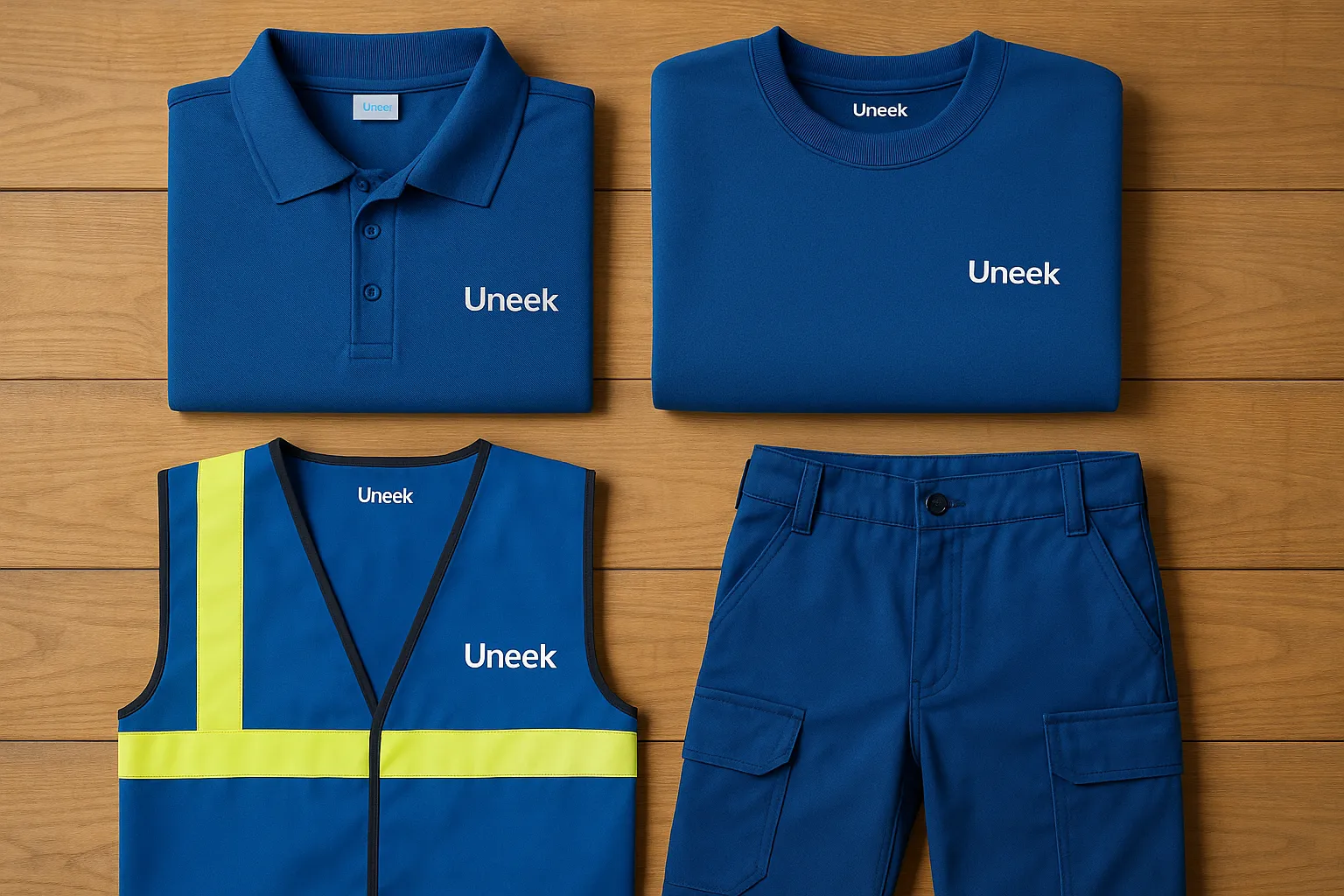
When SMEs evaluate their workwear options as part of a broader operational strategy, many gravitate towards established brands—such as those from Uneek—that are recognised for their reliability and long-lasting quality. This approach reflects a desire for uniforms that not only serve immediate needs but also support sustainable long-term functionality.
### The Importance of Workwear Strategy for SMEs
For SMEs, the workforce’s needs are dynamic and can change significantly due to seasonal fluctuations, project-based tasks, or overall business expansion. In the absence of an effective workwear strategy, these variations can lead to inconsistencies and disruptive challenges.
#### Streamlined Onboarding Processes
An uncoordinated or inadequately planned approach to work uniforms can hinder the onboarding of new employees. By proactively managing workwear logistics, companies can ensure that the necessary garments are available promptly, thus minimising delays during peak operational periods.
#### Enhanced Role Clarity
Uniforms that are either inconsistent or poorly defined can create confusion regarding roles and responsibilities, especially in environments shared with clients or in multi-faceted operations. A cohesive workwear strategy enables staff and customers alike to quickly discern roles, fostering a more efficient workflow.
#### Professional and Cohesive Branding
Diverse or inconsistent workwear can undermine a business’s professional image, particularly in customer-facing positions. A strategic uniform policy aids in presenting a united front, enhancing brand perception and reliability in the eyes of clients and the public.
#### Alleviating Managerial Pressure
Operational leaders often face numerous responsibilities, from budgeting to staff management, and workwear planning should not add to their burdens. A well-considered uniform strategy lightens this load by removing reactivity from decision-making, allowing managers to focus on critical operational elements.
As we peer into 2026, SMEs that weave workwear considerations into their broader operational planning stand poised to scale their operations more effectively.
### The Hidden Costs of Poor Workwear Choices
While opting for cheaper uniforms or replacing them only when necessary may appear financially prudent, such strategies can lead to significant long-term expenses for SMEs.
#### Frequent Replacement and Increased Costs
Opting for low-quality work uniforms often results in more rapid wear and tear, particularly for physically demanding roles. This can lead to the need for frequent replacements, creating higher overall costs.
#### Branding Inconsistencies
Occasional replacement of uniforms can disrupt visual consistency, resulting in mismatched colours, styles, and quality among employees, which detracts from the professional image a business aims to present in front of customers.
#### Impact on Comfort and Performance
Lower-quality materials can compromise employee comfort and longevity. Garments that fade, tear, or wear down quickly can directly affect how staff perform their daily tasks.
The Health and Safety Executive affirms the critical nature of appropriate work attire, especially in contexts where safety, visibility, or protective attributes are necessary.
### The Role of Personalised Workwear in Building Trust
In many customer-facing industries, personalised workwear has become an essential element of brand identity. Clear identification through uniforms not only instills confidence among customers but also instigates a sense of accountability within teams.
For service-oriented SMEs, customised uniforms that feature logos help strengthen brand recognition and facilitate role identification, especially in busy environments. Thanks to advancements in embroidery and printing techniques, personalisation is now an attainable standard for businesses of any size, with durable logos that endure frequent laundering and daily wear.
### Choosing Adaptive Workwear for Future Growth
As SMEs scale, they encounter new hurdles, notably the need to uphold consistency amid expanding teams. Founders and business leaders must prioritise selecting workwear that is not only sufficed for current needs but also available for future hires.
Consistent access to specific colours, fits, and styles of garments ensures that branding is preserved as the workforce grows. Disparities in uniforms can dilute the brand identity and create confusion, especially among teams that interact directly with clients.
Many SMEs, during their assessments, consider dependable brands like Uneek for their commitment to availability and consistency, alongside the durability and comfort of their garments.
### Workwear: An Essential Operational Asset for 2026
As SMEs evolve, workwear is increasingly regarded as a vital component rather than an afterthought. Strategically planned work garments contribute to seamless operations, engender staff confidence, uphold brand coherence, and facilitate efficient onboarding.
For SME leaders, integrating workwear into discussions surrounding staffing, compliance, and branding is crucial. Doing so enables clearer insight and more informed decision-making, ultimately preventing unnecessary costs and operational hiccups down the line. As the new year unfolds, this comprehensive approach to workwear will be essential for navigating the complexities of business growth and operational resilience.
Our Thoughts
The article highlights the importance of strategic workwear planning for SMEs but does not report any specific incidents or breaches of UK health and safety legislation. However, it does imply several key lessons for improving safety and compliance. To avoid potential safety hazards, businesses should ensure that workwear is appropriate for the specific tasks performed, in line with the Personal Protective Equipment at Work Regulations 1992. This includes providing high-visibility clothing or protective garments where necessary.
Key safety lessons include maintaining consistency in uniforms to aid in identifying roles and responsibilities, thereby reducing confusion that could lead to accidents. Businesses should also avoid low-quality workwear, which may compromise employee safety and comfort, ultimately impacting performance.
To prevent similar incidents, SMEs should conduct regular assessments of their workwear needs and implement a proactive strategy for timely procurement and replacement of uniforms. Ensuring that staff are outfitted with high-quality, suitable clothing aligned with health and safety requirements can enhance professionalism and operational efficiency. Regular training on the significance of appropriate workwear could further avoid safety lapses, reinforcing compliance with relevant health and safety regulations.