














Story Highlight
– Building Safety Regulator’s new plan to be announced soon.
– Scheme aims to speed up remediation decision-making process.
– BSR currently takes 34 weeks for application decisions.
– Legacy cases reduced from 81 to 29 since November.
– New leadership and reforms implemented to address delays.
Full Story
The Building Safety Regulator (BSR) is set to announce a plan aimed at expediting its remediation decisions within the next few weeks, according to officials. The forthcoming announcement from the Secretary of State follows a recent briefing that disclosed the regulator’s current initiatives geared towards improving efficiency and reducing the backlog of applications concerning high-rise buildings.
Baron Roe, who chairs the BSR, stated that the new scheme is in an “advanced form” and will introduce clear targets for the regulator, supplemented by an increase in resources for the teams responsible for processing applications. This plan is designed to ensure that the regulator can achieve the statutory deadline of eight weeks for application decisions more consistently by streamlining its workload.
At a press briefing held on 28 January, Roe highlighted the transformation in the BSR’s approach to handling remediation decisions. He expressed optimism that the imminent announcement would provide comprehensive details regarding timelines and resource allocations, emphasising that further information would be made public shortly.
Additionally, at the same briefing, Charlie Pugsley, the acting chief executive of the BSR, noted the success of measures implemented last autumn to batch applications. This new strategy has reportedly resulted in “fairly quick turnovers” and an impressive approval rate of approximately 40%. Despite these improvements, Pugsley acknowledged the necessity of adopting a “nuanced” perspective when dealing with remediation cases due to the complex and unique challenges each application presents.
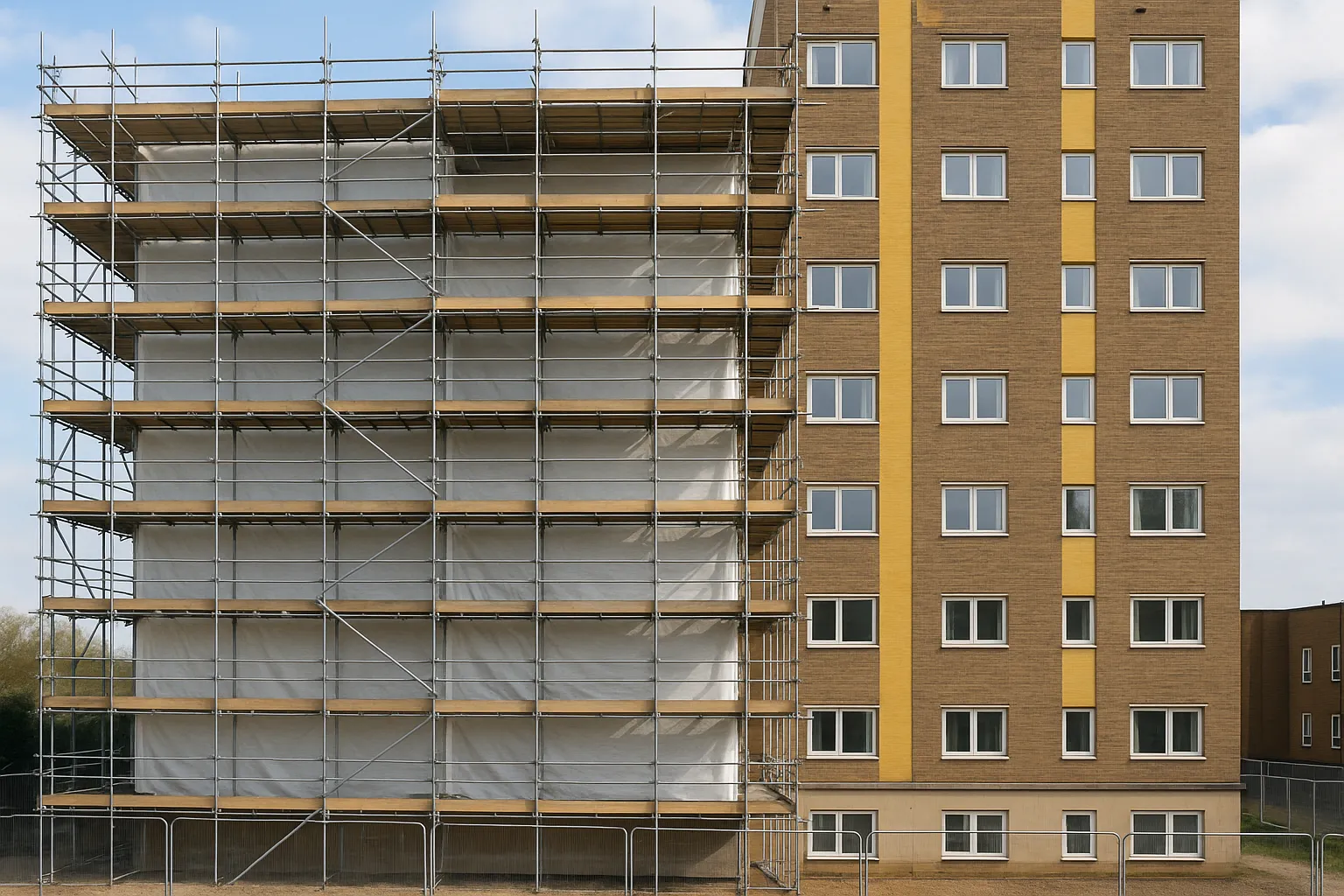
Currently, the BSR’s average processing time for remediation applications stands at 34 weeks. These applications pertain to building works at existing high-rise blocks, specifically those exceeding 18 metres in height, which have been classified as high-risk. This is distinctly different from applications related to new construction projects. The slow pace of decision-making at the BSR has previously drawn scrutiny from various stakeholders, including residents and social landlords, prompting calls for reform.
This announcement comes on the heels of the BSR becoming a standalone organisation, now sponsored by the Ministry of Housing, Communities and Local Government (MHCLG). Previously, the BSR operated under the Health and Safety Executive (HSE). This change is part of a broader strategy to unify construction regulation, a measure urged by the Grenfell Tower Inquiry, which seeks to enhance safety protocols within the building sector.
To facilitate this new regulatory framework, the government is currently consulting on proposed reforms until 20 March. Following this, a detailed response from the government is expected during the summer months. The recent restructuring of the BSR included leadership changes and the introduction of fast-track processes, all of which were implemented in response to pervasive industry criticism regarding the delays and high rejection rates associated with application decisions.
Last October, the BSR presented a strategic plan focused on clearing the backlog of new build applications, which included thousands of homes awaiting the Gateway 2 decisions under the previous operational model. The latest data from the BSR indicates a significant reduction in the number of ‘legacy cases’—those long-standing applications stuck in the review process. As of this month, only 29 legacy applications remain, a marked decrease from 81 reported in November.
In a recent discussion, Baron Roe addressed concerns over the timeframes for legacy applications, clarifying that there is no definitive deadline for these cases. He acknowledged the previous system’s inefficiencies, which were characterised by excessive delays and poor communication, expressing a commitment to resolving these issues. Although Roe affirmed the regulator’s duty to facilitate the progression of applications wherever feasible, he also conceded that there may come a time when certain applications could be rejected due to ongoing resource constraints.
The BSR’s proactive stance represents a crucial step towards enhancing the safety and compliance standards within the UK’s construction sector. The organisation is mindful of its responsibilities and is striving to balance the need for thorough reviews with the urgency demanded by the sector’s stakeholders.
The impending strategy, as articulated by BSR officials, aims not only to streamline processes but also to foster greater confidence in the regulatory framework that governs high-rise buildings. Enhanced efficiency and transparency will be essential in restoring trust among residents, property owners, and social landlords alike.
In summary, as the BSR prepares to unveil its remediation acceleration plan, it underscores its commitment to reforming the building safety landscape in the UK. Such developments are critical in ensuring that existing structures meet the necessary safety standards, ultimately safeguarding residents and the wider community against potential risks associated with high-rise living.
Our Thoughts
The article highlights significant delays in the Building Safety Regulator’s (BSR) remediation decisions, currently averaging 34 weeks. To prevent such inefficiencies, improved resource allocation, clearer communication channels, and adherence to statutory timelines under the Building Act 1984 are critical. The BSR’s role should include establishing stronger frameworks for expediting decision-making without compromising safety standards.
Key safety lessons include the need for effective project management and proactive stakeholder engagement to avoid bureaucratic delays. The current backlog reflects non-compliance with the Health and Safety at Work Act 1974, which mandates organizations to ensure the health and safety of those affected by their operations.
To avoid future incidents, the BSR could implement a fast-track process for high-risk applications, as identified in the Grenfell Tower Inquiry recommendations. Enhanced training for staff to manage complex cases with a tailored approach is essential, alongside a robust feedback mechanism for applicants to understand reasons for delays or rejections. Regular audits and reviews of the decision-making process should be instituted to ensure continuous improvement.