
















Story Highlight
– Scottish cruise ship passengers struck by gastroenteritis outbreak.
– Approximately 200 passengers reported illness onboard.
– Lerwick stop cancelled due to weather and illness.
– Up-Helly-Aa festival missed by affected passengers.
– Deep clean scheduled before next voyage for safety.
Full Story
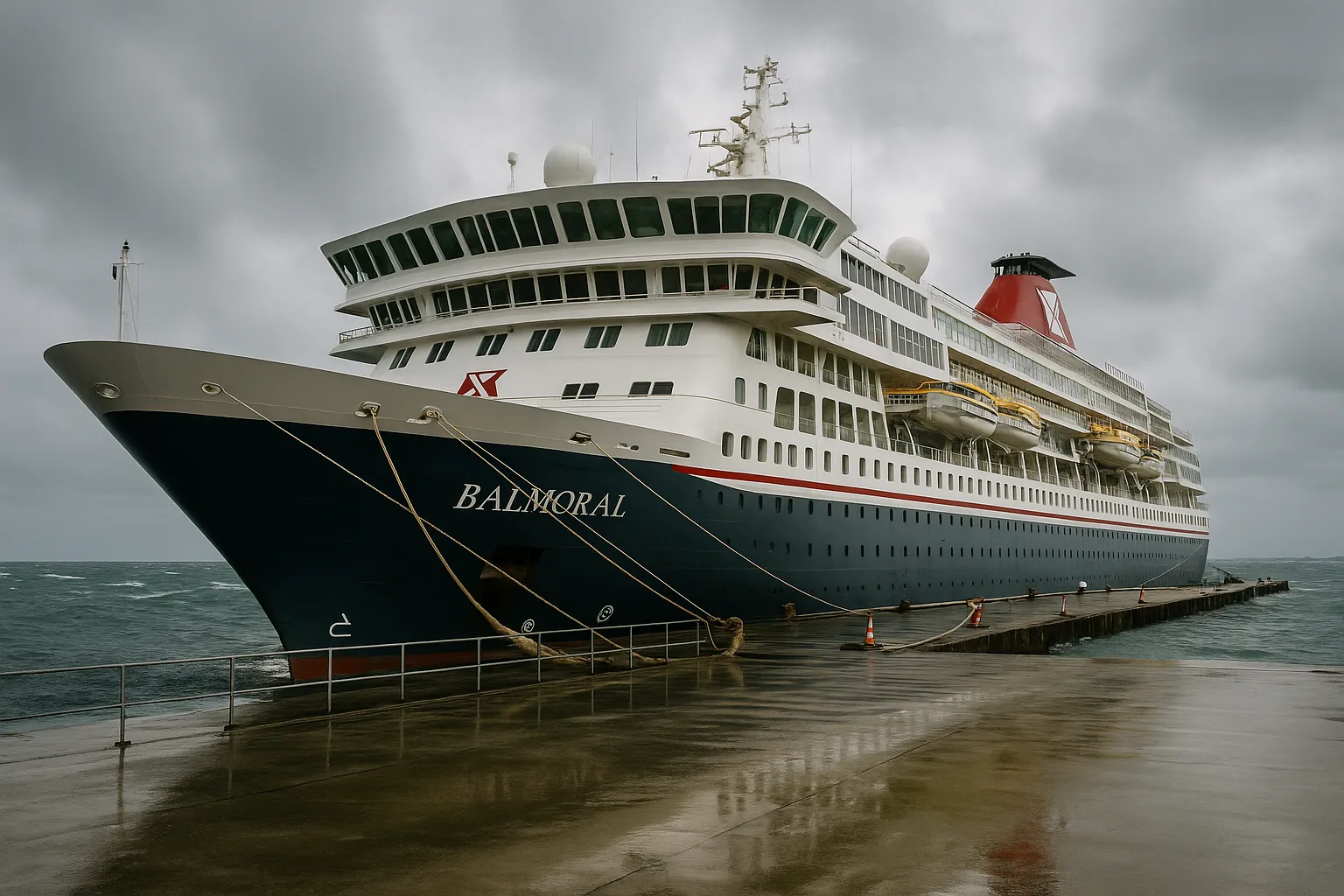
A considerable outbreak of gastroenteritis aboard a Scottish cruise ship has led to a premature return to port, prompting health and safety measures to be enacted. The cruise liner, The Balmoral, operated by Fred Olsen Cruises, was initially slated to dock in Lerwick, Shetland, on 27 January, but this plan was abandoned due to adverse weather conditions. Simultaneously, reports of a significant number of passengers experiencing symptoms associated with the highly contagious stomach virus emerged, complicating the situation onboard.
According to a passenger who spoke to The Shetland Times, an estimated 200 individuals on the ship—a vessel that can carry upwards of 1,200 guests—reported feeling unwell, experiencing diarrhoea and vomiting. Continuous public announcements on the ship highlighted increasing cases of gastrointestinal symptoms among passengers. However, some individuals suggested that the reported figures may have been inflated, attributing many cases to seasickness rather than an outbreak of the virus, as reported by the Daily Record.
The disturbance caused by the gastroenteritis outbreak not only resulted in the cancellation of the scheduled stop in Lerwick but also meant that many guests missed the opportunity to attend the Up-Helly-Aa festival, which is celebrated annually to honour Shetland’s Norse heritage. This festival, renowned internationally, takes place on the last Tuesday of January, and its absence was felt by many onboard who were looking forward to the cultural experience.
Fred Olsen Cruises defended their decision to redirect The Balmoral back to Southampton, citing safety as the primary concern. A spokesperson revealed to The Shetland Times: “While we understand the disappointment of missing the much-anticipated Up-Helly-Aa festival, the safety of our guests and crew must always remain our highest priority.” This precautionary measure was taken following the guidance provided by health directives, which aim to effectively manage the risk of infection onboard.
Kate Bunyan, the director of health services for Fred Olsen Cruises, confirmed the situation regarding passenger health. She stated, “We have immediately implemented measures to help reduce transmission, and our medical team is on hand to provide support to anyone who should feel unwell during the cruise.” As the vessel returned to port, she assured that a deep cleansing protocol would be established once they arrived in Southampton, with the ship scheduled to depart later than planned to accommodate these essential health safety measures.
The incident has had a ripple effect on upcoming voyages as well. Passengers who were due to embark on a cruise from Southampton on Thursday encountered delays as a result of the recent outbreak. Communication from Fred Olsen Cruises was issued to those preparing to board The Balmoral on Friday, advising them of the necessary postponement to enable thorough cleaning. The cruise operator underscored that these adjustments were preemptive measures in line with their commitment to health and safety.
In their communication, the company reassured potential passengers that there was “no cause for concern” and clarified that the changes reflect the organisation’s extensive health protocols. As part of ongoing efforts to maintain high hygiene standards and protect public health, it is crucial for such operators to act swiftly in response to potential health risks.
Gastroenteritis is a highly contagious illness typically associated with outbreaks in closed environments, such as cruise ships. The virus spreads easily, often through contaminated water or food, necessitating rigorous sanitation protocols and quick response strategies to contain and address any occurrence. The immediate focus of Fred Olsen Cruises has been the health and wellbeing of those onboard, leading to their swift action and communication regarding the incident.
The response from cruise operators in managing such outbreaks is typically under scrutiny, with passengers often eager to know how their safety is being ensured. By enacting immediate precautions, providing ongoing medical support, and maintaining clear communication, organisations like Fred Olsen aim to uphold their reputation while addressing any health crises that might arise during voyages.
As the situation continues to develop, the focus will remain on ensuring that passengers receive the highest standard of care on board. Such incidents, especially in the cruise industry, highlight the balancing act operators must perform between providing exceptional experiences and maintaining stringent health and safety standards. With the public’s health at the forefront of responses, it will be crucial for the industry to learn from each outbreak to implement better protocols for the future.
Our Thoughts
To prevent the outbreak of gastroenteritis aboard The Balmoral, a more rigorous pre-cruise health screening for passengers and crew could have been implemented, in line with the Health and Safety at Work Act 1974, which mandates employers to ensure, as far as reasonably practicable, the health and safety of their employees and others affected by their activities. Enhanced sanitation measures prior to departure, particularly in areas where food is prepared, would have further reduced the risk of transmission.
Key safety lessons include the importance of prompt reporting and response to potential health issues onboard, as well as ensuring clear communication with passengers regarding health protocols. Both the Management of Health and Safety at Work Regulations 1999 and the Control of Infectious Diseases Regulations emphasize the need for risk assessments and monitoring of infectious disease outbreaks.
In the future, cruise lines should ensure that staff are thoroughly trained in food hygiene and infection control to manage similar incidents effectively. Additionally, improving passenger education about outbreak symptoms and preventive measures during the cruise could help mitigate further risks.