
















Story Highlight
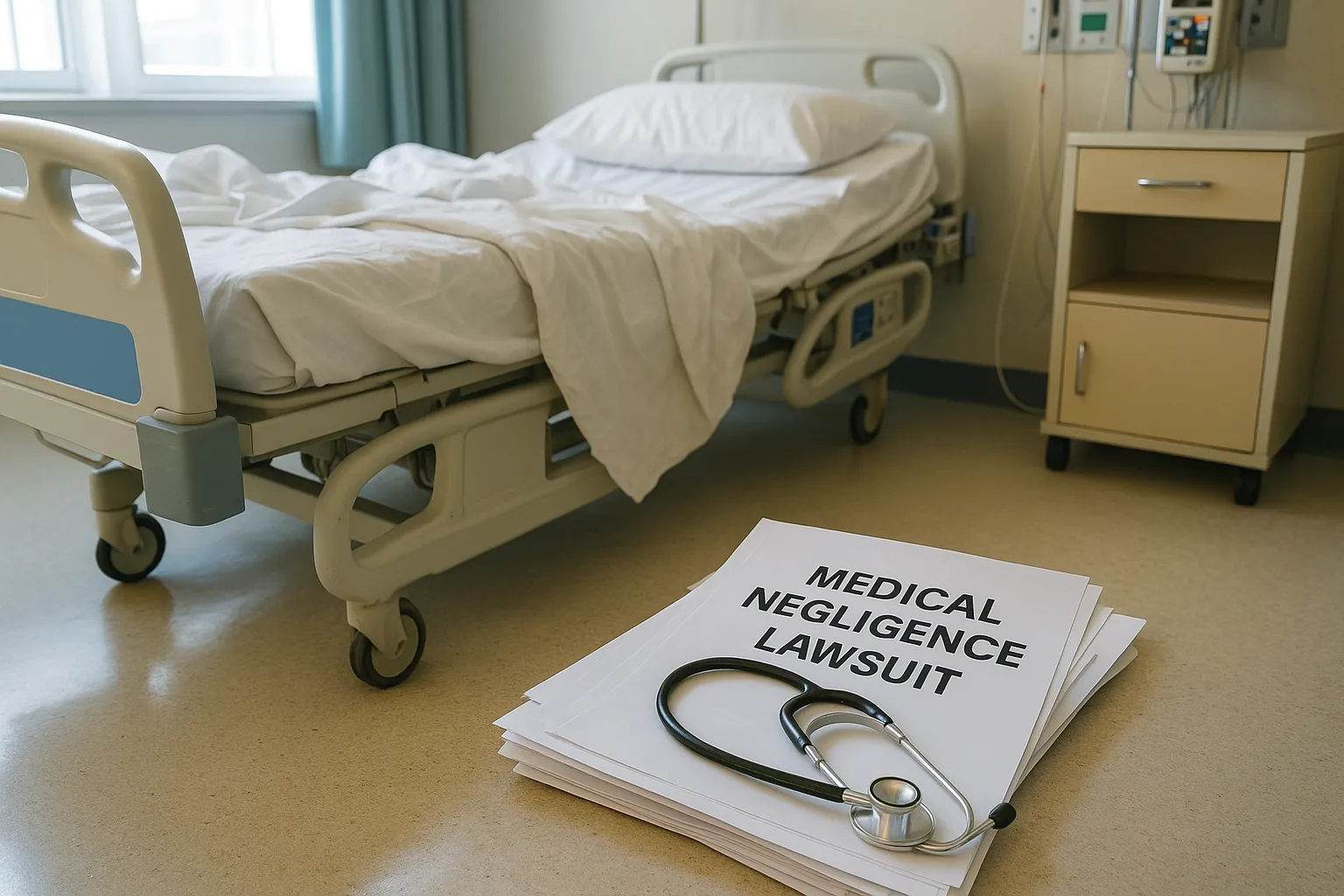
– Medical negligence costs NHS £3.6bn annually, MPs report.
– DHSC and NHS England fail to act on warnings.
– Government liability for negligence quadruples to £60bn by 2025.
– Lawsuits concerning brain-damaged babies may take 12 years.
– NHS needs greater transparency and compassionate complaint processes.
Full Story
**Concerns Over NHS Medical Negligence Grow as Costs Skyrocket**
Recent findings from the Public Accounts Committee (PAC) have raised serious concerns about ongoing medical negligence within the National Health Service (NHS), which continues to adversely affect patients due to a lack of effective government action over nearly a quarter of a century. In a critical report released on Friday, MPs condemned both the Department of Health and Social Care (DHSC) and NHS England for failing to adequately address the issue, with the financial repercussions of such negligence now estimated to reach £3.6 billion annually.
The PAC highlights a persistent pattern of inaction, pointing to four separate reports issued since 2002 that have urged meaningful interventions. Geoffrey Clifton-Brown, the chair of the committee, expressed disbelief that, despite two decades of cautionary advice, efforts to confront the root causes of this issue have not progressed. “It feels impossible to accept that… we still appear to be worlds away from government or the NHS engaging with the underlying causes of this issue,” he stated.
Clifton-Brown specifically drew attention to the “unacceptable stasis” observed within maternity care, which has been identified as particularly detrimental to patients, while simultaneously draining taxpayer resources. An alarming number of investigations into maternity scandals, including those in Morecambe Bay, East Kent, and Shrewsbury and Telford, have emerged since 2015, with another ongoing inquiry into childbirth practices in Nottingham.
In light of escalating concerns regarding maternity services across NHS institutions in England, Health Secretary Wes Streeting initiated a comprehensive inquiry led by Valerie Amos to delve deeper into these issues. The report from the PAC asserts that over the past two decades, the government’s financial liability related to clinical negligence has quadrupled, projecting to hit a staggering £60 billion by the 2024-25 financial year.
“This is a swelling accounting of profound suffering,” Clifton-Brown remarked. He reiterated that every individual case of negligence can lead to devastating consequences for those affected, illustrating a healthcare system grappling to safeguard its patients against preventable harm.
The committee’s inquiry uncovered that the NHS is “overwhelmed” by the numerous recommendations from various oversight bodies aimed at enhancing patient safety. A considerable number of safety authorities, official inquiries, and coroners have called for significant reforms, yet tangible change has been largely absent.
The PAC’s findings revealed alarming implications of the reported costs of medical negligence:
1. The current expenditure of £3.6 billion on clinical negligence is diverting vital resources from essential frontline NHS services.
2. Legal disputes involving patients who have sustained brain injuries can prolong for as long as 12 years before reaching resolution.
3. Patients often resort to legal action because healthcare providers fail to communicate openly regarding mishaps in their care.
Helen Morgan, the health spokesperson for the Liberal Democrats, decried these staggering figures as a “horrific symptom” of an NHS burdened by longstanding neglect and mismanagement. She criticized the Conservative government for pushing the NHS “to the brink” while suggesting that Labour has not done enough to rectify the situation, particularly noting the decision to eliminate specific funding protection for maternity care as “nonsensical.”
The PAC urged a more proactive approach from the NHS regarding transparency with patients and their families during incidents of care failure. It emphasised the need for prompt apologies and clearer communication to potentially reduce the incidence of claims and related costs. The report also advocated for an overhaul of the current complaints system, which has been described as “confusing and unresponsive,” in pursuit of a more compassionate and financially sound approach to patient care.
In addition, a global report regarding patient safety ranked the UK 21st out of 38 member countries studied by researchers from Imperial College London and Patient Safety Watch. The study noted significant concerns regarding mortality rates among individuals with severe mental health issues, such as bipolar disorder and schizophrenia, as well as excessive deaths resulting from medical treatments. Specifically, the UK has been assessed unfavourably regarding neonatal death rates and the incidence of complications arising during surgeries.
Responding to the PAC’s findings, a spokesperson from the DHSC acknowledged the challenges inherited by the current administration. “This government inherited an NHS that was failing too many people,” the spokesperson stated, highlighting measures taken to enhance patient safety. Initiatives mentioned include restructuring the Care Quality Commission, implementing Martha’s rule and Jess’s rule for fresh clinical reviews for patients, and creating hospital league tables intended to foster improvement.
Furthermore, the DHSC announced new maternity safety protocols, an urgent investigation into existing failings, and plans to establish a dedicated taskforce aimed at restoring public confidence in NHS maternity services. “We know there is much more to do but we are determined to make sure the NHS is the safest in the world,” the spokesperson added.
As the inquiry progresses, the focus remains on addressing the persistent issue of medical negligence within the NHS and ensuring that meaningful changes are made to protect patients and restore trust in the system.
Our Thoughts
The report highlights significant failures in addressing medical negligence within the NHS, resulting in a £3.6bn cost to the system. Key safety lessons include the necessity for increased transparency and responsiveness in handling patient complaints and errors. The NHS should have implemented a stronger framework for addressing the recommendations made in past inquiries, particularly regarding maternity care, to prevent avoidable harm.
Relevant regulations likely breached include the Health and Safety at Work Act 1974, which mandates that employers ensure the health and safety of patients and staff, and the Duty of Candour, which requires open communication with patients when incidents occur. Failure to engage with these regulations has contributed to prolonged litigations and undermined patient trust.
To prevent similar incidents, the NHS must enhance its approach to risk management, adopt a more proactive stance in addressing patient safety recommendations, and foster a culture that prioritizes patient welfare over financial considerations. Comprehensive training for staff in risk awareness and adherence to safety protocols would further mitigate the risks of negligence.