














Story Highlight
– Plans for 200km pipeline cause local opposition.
– Residents feel “angry and scared” about proposals.
– Project aims to cut emissions, create 300 jobs.
– Concerns over technology risks and potential leaks.
– Above-ground structures criticized as “coastal eyesore.”
Full Story
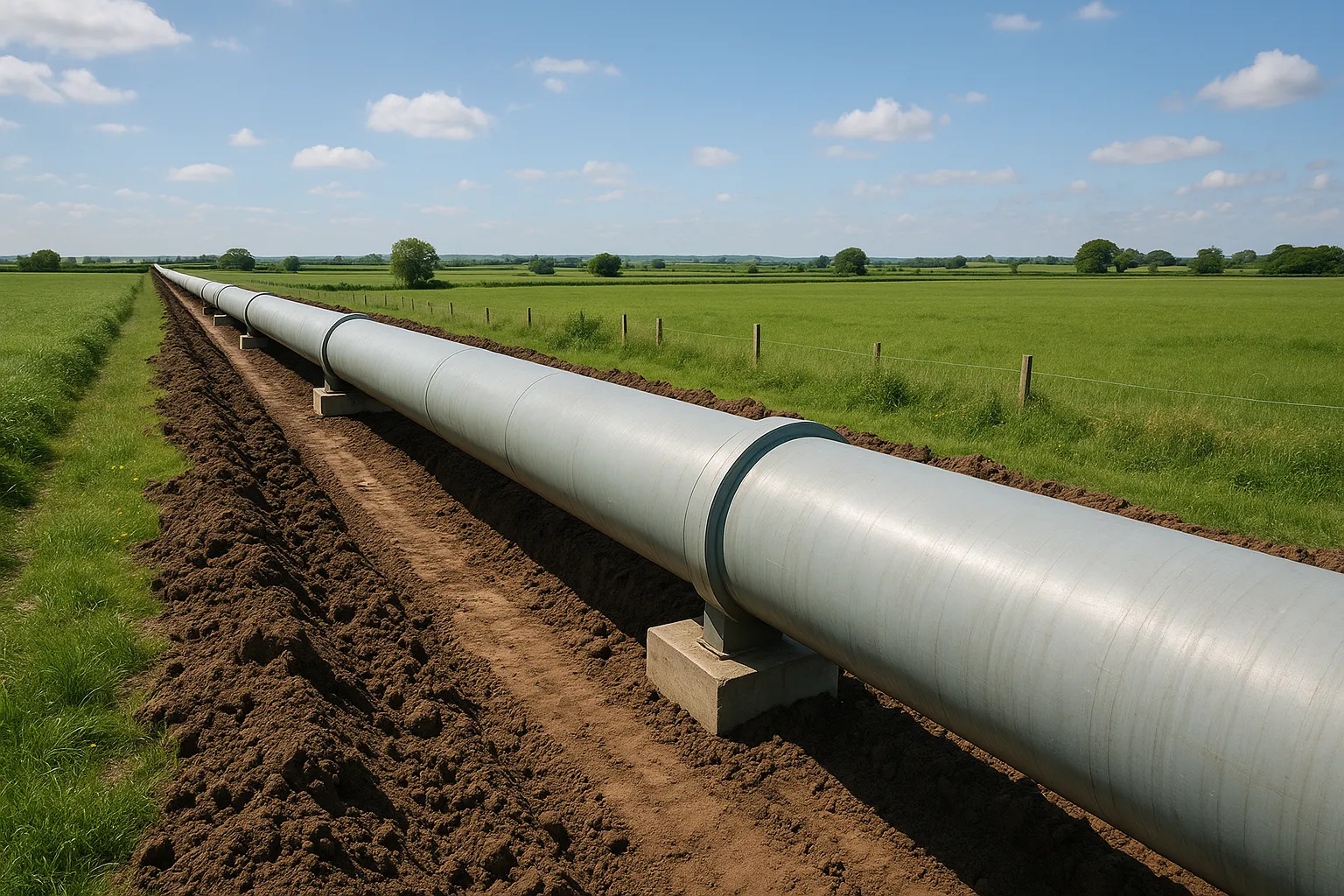
Residents in Wirral are expressing significant concern regarding new plans for a 200-kilometre pipeline intended to transport carbon dioxide emissions from local cement and lime producers. Known as the Peak Cluster Project, this initiative aims to address the environmental impacts of these industries located near the Peak District by storing the emissions beneath the Irish Sea. Authorities have described this venture as the largest cement decarbonisation project of its kind globally.
An underlying promise from the developers is the restoration of the land to its original state following the completion of construction. However, many local residents feel blindsided by the announcement and have expressed their feelings through the formation of an opposition group named No CO2 Pipeline Wirral. This group claims that the community was not adequately informed about the developments, leading to feelings of anger and fear among the population.
Anna, a member of the newly formed group, recounted how information about public meetings and the pipeline’s proposals were communicated poorly. “Some did get [the flyers] and some didn’t, and that was in a week or so before the meetings last weekend,” she remarked. The result was a high turnout at the meetings, reflecting the residents’ anxiety. Those who arrived to participate found themselves unable to enter, further fueling frustration and feelings of isolation.
The Peak Cluster Project is designed to contribute to the overall aim of mitigating industrial emissions and combating climate change, with potential job creation estimated at around 300 positions. Additionally, there are plans for a facility in Meols intended to compress the gas before it enters storage. However, the nature of the technology and its perceived risks have raised alarms.
Max Booth, a Conservative councillor representing Hoylake and Meols, attended a webinar conducted by Peak Cluster and described his experience as akin to receiving a marketing pitch rather than an informative discussion. “I think the main concern is the fact that this is very new technology and there’s lots of stories from the US, from China, and other parts of Europe, around the world, where this new technology goes wrong. It ruptures,” Booth warned. His concerns hinge on the possibility of leaks or breaches, particularly given the weight of carbon dioxide gas; if released, it could settle in residential areas and pose a threat to local wildlife.
Booth believes there are no advantages to Wirral residents, who will instead face the disturbances and uncertainties associated with construction and ongoing operations. Despite assurances from Peak Cluster that the majority of land would be rehabilitated post-project, both Booth and Anna have questioned these claims. The planned construction will include above-ground facilities that may occupy an area the size of a football pitch, with a significant 50-metre chimney vent, which they argue contradicts the notion of returning the land to its prior condition. Booth commented, “That’s not land reverting back to type; that is a complete coastal eyesore overnight or however long it takes to build.”
In response to the concerns raised, John Egan, the chief executive of Peak Cluster, stated, “When construction ends, we will reinstate the majority of the land so it can be used in the same way as it was before and, just as with other pipelines under our feet, the land will look and feel just as it did before.” Moreover, he assured that the pipeline would operate at a lower pressure than the UK’s National Transmission System yet higher than the standard gas network supplying homes and businesses.
Egan acknowledged the importance of addressing public concerns regarding safety, stating, “I understand it’s our responsibility to reassure people on that point. We will be regulated by the Health and Safety Executive like all other gas pipelines and under the same regulations.”
The local community remains divided as they grapple with the implications of the Peak Cluster Project. For many, the immediate worries surrounding potential environmental impact and disruptions outweigh the promised benefits of job creation and emission reductions. Significant emphasis has been placed on transparency and communication in the project’s rollout, with residents demanding clearer and more comprehensive information about its scope, risks, and safety measures.
As this situation unfolds, it highlights broader discussions within the UK about carbon capture technologies and their role in addressing climate change. Detractors have emphasised the need for more thorough scrutiny of the technology, citing past incidents worldwide that demonstrate the risks associated with carbon dioxide storage.
The implications of such projects extend beyond the Wirral region. As nations grapple with their obligations to reduce carbon emissions, the balance between industrial needs and community safety will remain a focal point. For the residents of Wirral, the outcome of this project poses not only immediate concerns but also broader questions about environmental stewardship and the future landscape of their community.
In the heart of this debate lies the vital question of how communities can adapt to the demands of decarbonisation while ensuring their voices are heard and their concerns addressed. As discussions progress, the effectiveness of community engagement strategies in local governance will be tested, and the response from both residents and developers will be crucial in shaping the future of this ambitious initiative.
Our Thoughts
The Peak Cluster Project has raised significant local concern regarding safety and communication. Key safety lessons include the importance of effective stakeholder engagement and transparent communication with the community regarding new technologies. The failure to adequately inform residents about the project’s implications prior to public meetings contributed to anxiety and opposition.
Relevant UK health and safety legislation includes the Health and Safety at Work etc. Act 1974, which mandates that companies prioritize the health and safety of the public, and the Control of Major Accident Hazards Regulations 2015 (COMAH), which applies to projects involving potentially hazardous materials like CO2. If proper community consultations and risk assessments had been implemented, including informative sessions before project announcements, the backlash might have been mitigated.
To prevent similar incidents, companies should ensure comprehensive community outreach and consultation as outlined in the HSE’s guidelines. They should also provide clear and accessible information about safety measures, the technology involved, and emergency response plans to foster community trust and understanding.