














Story Highlight
– Homes built before 2000 may contain asbestos materials.
– Asbestos is often discovered during renovations or sales.
– Many homeowners are unaware of asbestos until exposure occurs.
– Textured walls and old roofing may hide asbestos risks.
– Professional assessment is crucial for safe asbestos management.
Full Story
The UK Health and Safety Executive has issued a critical reminder regarding the presence of asbestos in homes constructed prior to the year 2000, indicating that such properties may harbour asbestos materials.
Recent studies highlight an alarming trend in which asbestos is frequently discovered during standard maintenance operations, renovation projects, and property transactions. These discoveries often occur when the material has already been disturbed, leading to potential health risks for those involved.
Mat Stewart, an expert in asbestos at Sundemolition, emphasises the need for heightened awareness about this serious issue. Many individuals only become cognisant of the presence of asbestos after they may have already been exposed to it.
Stewart elaborates, “Asbestos causes real anxiety because it’s often found unexpectedly, when renovation work is already underway. People worry not just about immediate exposure, but about the long-term health impact on their families, and many don’t know what to do next.”
Indeed, the concerns surrounding asbestos can lead to significant stress for homeowners and tenants, particularly when it is uncovered during the renovation process or while attempting to sell a property. Those affected often grapple not only with the immediate risks but also with the potential implications for their loved ones’ health. This uncertainty can leave homeowners unsure about how best to address the situation.
Understanding whether a property might contain asbestos is crucial for mitigating risks. There are several indicators that can help homeowners identify its potential presence:
**1. Property Age**
A prevalent misconception is that asbestos is restricted to very old buildings. However, materials containing asbestos were still commonly utilised in construction across the UK until the late 1990s. Hence, properties erected before the year 2000 have a significant likelihood of incorporating asbestos-containing materials.
**2. Textured Walls or Ceilings**
Textured finishes, such as Artex, on walls and ceilings often go unnoticed as potential asbestos sources. Despite their seemingly innocuous appearance, disturbing these materials during renovation can release hazardous fibres into the surrounding air.
**3. Aged Roofing and Outbuildings**
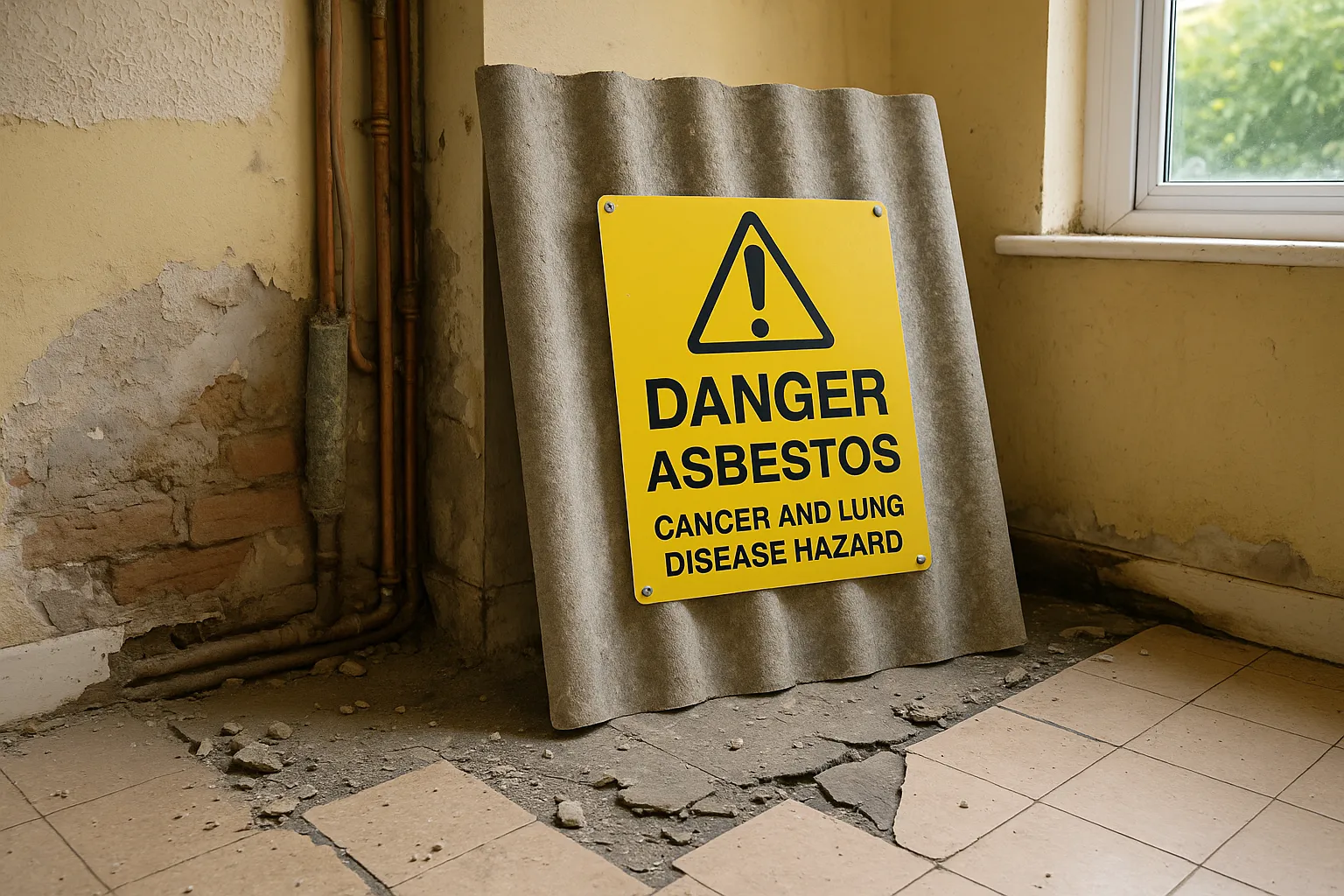
Asbestos cement was historically used in roofing applications, notably in garages, sheds, and other outbuildings. Visible signs of damage, such as cracks or weathering, can heighten the risk of fibre release and should not be ignored.
**4. Compromised Insulation or Pipe Lagging**
Insulation materials around heating pipes, boilers, or in loft spaces are among the highest risk categories for asbestos presence. If any insulation appears damaged, frayed, or deteriorating, it is crucial that these materials are not handled without a professional evaluation.
**5. Vinyl Floor Tiles or Underlying Adhesives**
In older properties, the vinyl tiles and the adhesive beneath them often contain asbestos. These materials pose a particular hazard when disturbed during renovation activities, as they can emit asbestos fibres into the air.
Stewart reinforces the necessity of being aware of asbestos presence in homes: “The rise in asbestos awareness is a positive shift. While asbestos can understandably cause concern, it’s important to stress that it is a manageable risk when handled correctly.”
He adds that with appropriate professional assessments, clear guidelines, and the right methods for licensed removal, asbestos can be addressed in a safe and effective manner. The increasing attention surrounding this issue suggests that the public is becoming more educated and proactive about health and safety, particularly in the context of their homes and properties.
This growing awareness is crucial, as the long-term effects of asbestos exposure can lead to serious health complications, including respiratory diseases and cancers. Individuals are encouraged to conduct thorough inspections and seek out professional advice when dealing with any potential asbestos-containing materials.
As public knowledge expands, so does the collective responsibility to approach renovations and property transactions with caution and respect for health implications linked with asbestos. Awareness is the key to preventing unintended exposure and managing asbestos risks responsibly, thereby ensuring the safety of families and communities.
In light of the potential hazards associated with asbestos, it is advisable for those living in older properties to consider proactive assessments. Engaging with licensed professionals for regular surveys can be a pivotal step in creating a safe living environment, and maintaining peace of mind concerning potential health risks.
Our Thoughts
To prevent incidents related to asbestos exposure, several measures could be implemented. Firstly, ensuring comprehensive asbestos surveys are conducted prior to any renovation or maintenance work on properties built before 2000 would be crucial, in line with the Control of Asbestos Regulations 2012. Such surveys help identify the presence of asbestos, allowing homeowners and contractors to manage the risk effectively.
Secondly, increasing public awareness and education on the importance of asbestos identification and safe handling is essential. Homeowners should be encouraged to consult professionals when undertaking renovations, especially in older properties where asbestos may be present.
Additionally, enforcing stricter compliance with the regulations on duty to manage asbestos in non-domestic properties could prevent unintentional disturbances. This includes ensuring that anyone carrying out maintenance work has the necessary training and information regarding asbestos handling.
Key lessons include the need for proactive risk management and ensuring disputes over the presence of asbestos are resolved before any work begins. Non-compliance with notified asbestos presence can lead to serious health risks and legal repercussions under UK health and safety laws.