













Story Highlight
– School Travel Plan promotes walking, cycling, and scooting.
– 88 schools completed plans; 54 are updating theirs.
– Active travel levels slightly decreased; car use increased.
– 1185 more pupils now drive to school than last year.
– Traffic Management Audits assess safety at every school.
Full Story
Efforts by South Lanarkshire Council to enhance active travel to schools have faced challenges, as recent data indicates continued high levels of car usage among pupils. During a session held on February 3, members of the Road Safety Forum received an update on the council’s initiatives aimed at promoting walking, cycling, and scooting while concurrently improving road safety around educational establishments.
The council’s School Travel Plan encourages schools to develop strategies that enhance active travel. So far, a total of 88 schools have successfully implemented their plans, with an additional 54 schools currently in the process of creating or revising their travel strategies. These comprehensive plans typically involve surveys of students, parents, and staff to identify local traffic issues and assess safety concerns. Consequently, goals are set to alleviate congestion, lower emissions, and encourage healthier methods of travel.
The findings from the national Hands Up Scotland Survey reveal trends in how children travel to school. In South Lanarkshire, 58.6 per cent of pupils engaged in active travel or used public transportation in 2024, a decline from 60.1 per cent in the previous year and notably below the national average of 63.7 per cent. Councillor Kenny McCreary, representing Bothwell and Uddingston, expressed concern regarding this downturn in active travel rates.
During a recent parent council meeting, McCreary stated, “The truth of the matter is that the parents and teachers don’t seem to think this is working, or they don’t seem to see an improvement in things. For example, at St John the Baptist Primary School in Uddingston, it’s just absolute chaos at three o’clock; cars are parked on pavements, people with prams have to go up the street because they can’t get by the pavement.”
The councillor sought clarity on the effectiveness of the initiatives, asking, “What can I go back to these people and say because they don’t think it’s working?” Council officials responded that the outcomes of these initiatives vary considerably based on specific schools and their catchment areas, necessitating tailored approaches for each institution.
Furthermore, Councillor Julia Marrs, representing Clydesdale North, inquired about the reasons behind the increase in drive-to-school statistics. This year, the percentage of pupils traveling to school by car rose to 27.7 per cent from 23.9 per cent the previous year, indicating that 1,185 additional pupils now rely on vehicles for their school journeys. Marrs acknowledged that not all parents have the luxury of choice regarding how their children travel but sought further insight into the factors contributing to the uptick in car usage.
In response, council officers noted that while they only have general snapshots of travel patterns, a future plan could involve targeting specific schools where car usage has significantly escalated, allowing for tailored interventions.
To support the active travel programme, Health and Safety officers conduct Traffic Management Audits at each school. These audits evaluate both vehicular and pedestrian safety on school premises and in the surrounding areas. Ensuring that an up-to-date School Travel Plan is in place is critical for these audits, with any identified issues outside school grounds referred to the Roads Services for action.
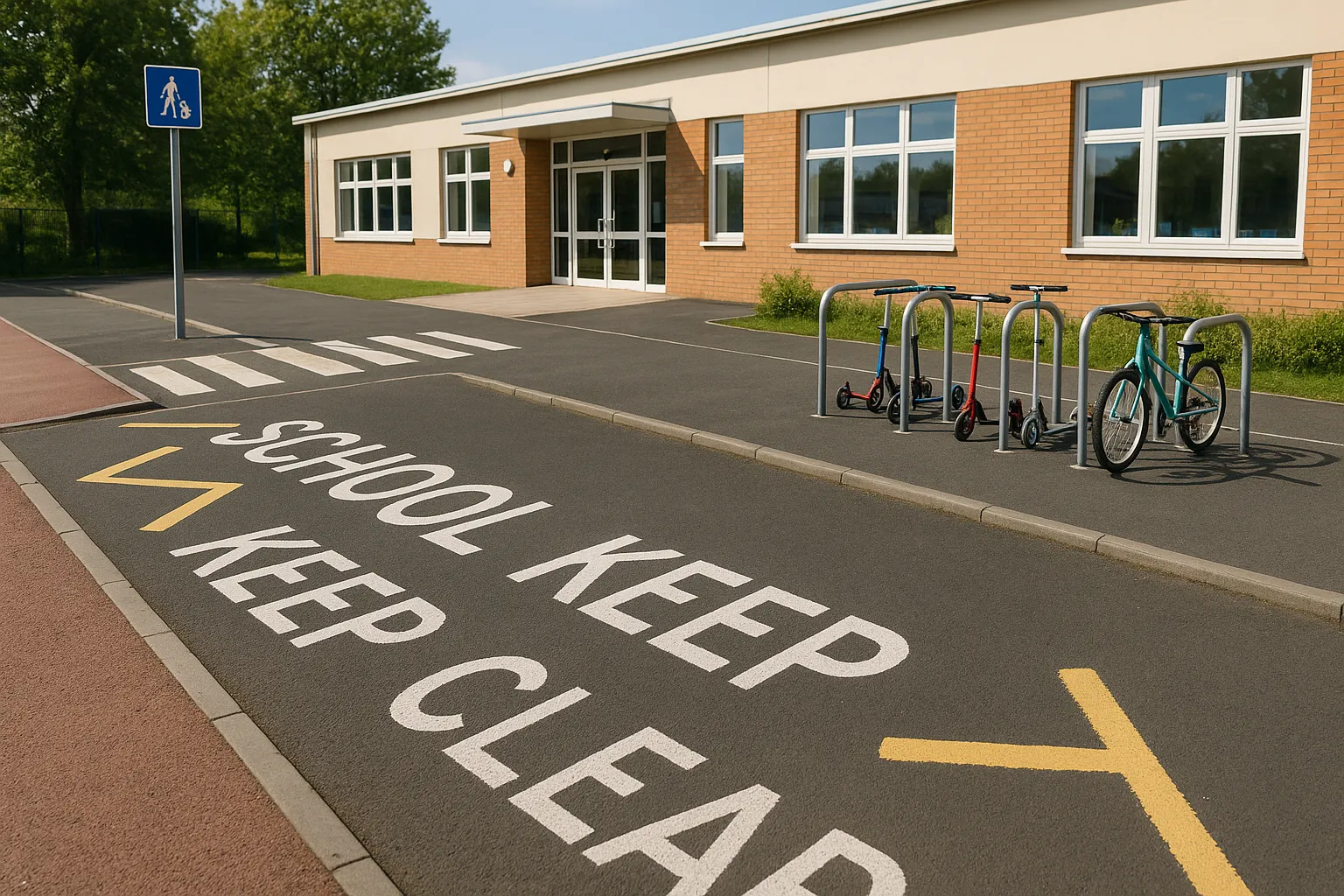
In a bid to meet the growing demand for cycling and scooting options, the council has invested in improving facilities. This includes a grant of £129,665 from Cycling Scotland, which will fund the installation of new or upgraded bike shelters and storage solutions at various schools across the region.
In light of these developments, there remains an urgent need for community engagement and feedback. Schools are encouraged to involve parents and local stakeholders in the development of travel plans. This participatory approach could enhance the effectiveness of initiatives aimed at fostering a culture of active travel.
Local parents have voiced their concerns regarding the safety and accessibility of school routes, especially during peak hours. The increasing number of vehicles near school entrances not only heightens safety risks but also adds to congestion, making it more challenging for those who wish to walk, cycle, or use public transport.
Health experts have pointed out that promoting active travel has benefits beyond road safety; increased walking, cycling, and scooting contribute to healthier lifestyles among children, which can also contribute to improved mental well-being. The recent survey trends indicate a warning sign that the council must heed; without sufficient action to reverse the current trajectory, the goals of the School Travel Plan may be jeopardised.
In sum, while South Lanarkshire Council’s School Travel Plan acknowledges the need for improvements in active travel routes and safety measures, the statistics present a worrying narrative. The ongoing debate among councillors, community members, and educational staff highlights the complex challenges faced in achieving the desired levels of active travel and altering ingrained behaviours regarding school transport.
Our Thoughts
To improve safety around schools in South Lanarkshire and address the increase in car use, several measures could have been implemented:
1. **Enhanced Enforcement of Traffic Regulations**: Increased enforcement of traffic regulations outside schools could deter illegal parking and ensure safer drop-off zones, promoting pedestrian accessibility.
2. **Community Engagement**: Conducting regular focus groups with parents, teachers, and local residents could provide insights into barriers to active travel, allowing for targeted interventions.
3. **Regular Updates to School Travel Plans**: Although audits are conducted, ensuring that all schools regularly update their travel plans based on current data and community feedback could enhance effectiveness.
4. **Clear Communication of Benefits**: The council should ensure that parents understand the benefits of active travel, addressing concerns and misconceptions that may lead to increased reliance on cars.
5. **Active Travel Incentives**: Offering incentives for students who walk or cycle to school, such as rewards for participation, could reverse the trend of declining active travel.
Relevant UK health and safety legislation that may have been breached includes the Health and Safety at Work Act 1974, emphasizing maintaining safe environments for pedestrians, especially children. Addressing these issues could mitigate similar incidents in the future and promote a healthier school travel culture.