












Story Highlight
– Experts warn against “jab hacks” for weight-loss injections.
– 32% of users resorted to dangerous “microdosing” techniques.
– Many obtain weight-loss medication from unlicensed sources.
– Using used needles raises infection and dosing risks.
– Novo Nordisk stresses importance of official prescriptions.
Full Story
Concerns have emerged regarding the increasing prevalence of risky practices among individuals using weight-loss injections in the UK. Recent findings suggest that nearly half of the 1.6 million patients relying on such medications have experimented with potentially dangerous methods, including “microdosing” and sourcing treatments from unlicensed vendors.
A survey conducted by LloydsPharmacy Online Doctor revealed that 32 per cent of users have tried altering their doses, while 28 per cent have sought out unregulated or counterfeit products. These alarming statistics coincide with rising costs of prescribed weight-loss injections, prompting individuals to take drastic measures in an effort to manage expenses.
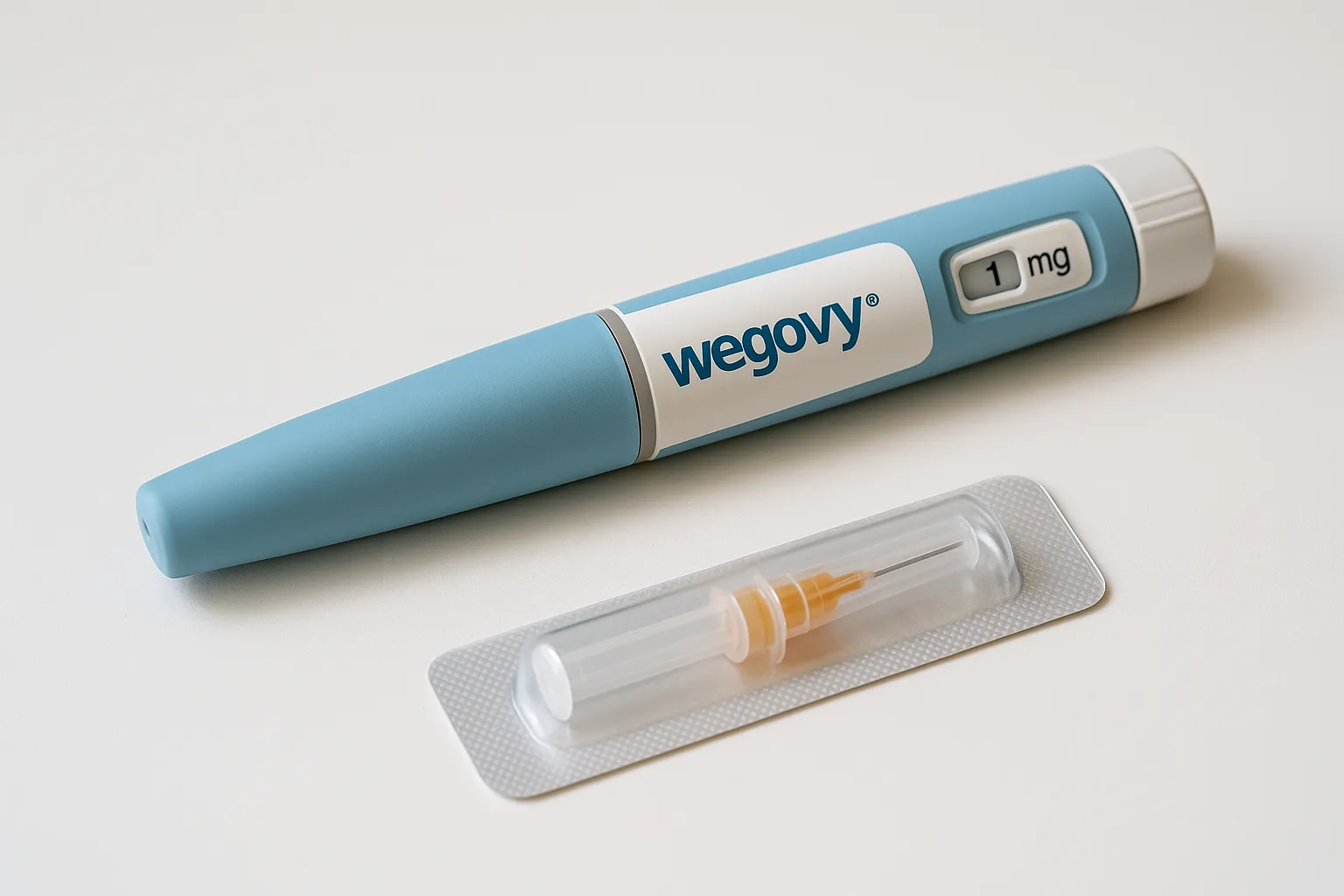
One anonymous participant, Amy, a 55-year-old from West Sussex, shared her experience of consuming smaller doses of Wegovy, a widely used weight-loss injection. To extend the life of her supply and save money, she employs an unusual strategy of reusing needles. “I pay £150 for a 1 milligram pen, which if you’re on the full dose lasts four weeks, and if you halve it, it lasts eight weeks. I have been eking it out so that a full pen can last me eight to 10, maybe even 12 weeks,” she explained in a recent interview.
Despite the prescribed nature of such medications, which require consultation with healthcare professionals like GPs, Amy has been obtaining Wegovy from her beauty therapist since March 2025. The Medicines and Healthcare products Regulatory Agency (MHRA) has issued warnings against using unregulated sources for weight-loss treatments, describing it as a significant health risk. Manufacturers of Wegovy have categorically stated that acquiring drugs from non-legitimate channels poses a “direct danger to health.”
Dr Kieran Seyan, the chief medical officer at LloydsPharmacy Online Doctor, expressed his rising concern regarding the use of weight-loss medications sourced from unregulated vendors. “I am increasingly worried by reports that some individuals may be accessing prescription-only weight-loss medication through unregulated sources like beauty therapists or salons,” he remarked. He continued by highlighting the risks associated with improper dosing, including exposure to expired medications and counterfeit products.
Reflecting on her decision to acquire the medication through an unorthodox route, Amy noted that her past struggles with weight management have left her feeling uncertain about accessing these drugs via the National Health Service (NHS). “From the age of 10, I was taken by my mother to Weight Watchers, and eventually, 15 years ago, I had gastric bypass surgery privately that didn’t work,” she detailed. Amy’s journey led her to explore Wegovy, initiating treatment after a phone consultation, during which she confirmed her eligibility based on her BMI exceeding 30, although she expressed a desire for stricter regulations in the process.
Weight-loss injections known as GLP-1 receptor agonists, including Wegovy and Mounjaro, function by mimicking hormones that help regulate appetite and digestion. While NHS guidelines stipulate that these medications should be prescribed only to individuals with a BMI of 40 or more, private providers have extended access to those with a BMI over 30. This has resulted in more users willing to pursue alternative sources for their medication amid rising costs.
Amy recounted progressing from an initial dose of 0.5mg to 1mg as she managed to shed two and a half stone. Upon reaching a healthier BMI of 25, she was advised to reduce her dosage, yet she admitted to continuing at the higher level due to a fear of reverting to her previous weight. “I haven’t actually stopped; I kept going and I’m almost scared to come off it. I feel that I probably might be on it for good,” she stated, describing a dependency on the medication that has become a staple in her daily routine.
Dr Seyan cautioned against the concept of “microdosing,” where individuals take smaller amounts than prescribed in order to extend their supplies. He outlined the potential dangers associated with irregular dosing, warning that such methods can undermine the effectiveness of the medication and lead to uncomfortable side effects, including nausea and abdominal pain. Patients’ varied dosing practices can also interfere with the body’s adaptation to the medication.
Adding to the risks, reusing needles increases the potential for bacterial contamination, which could lead to infections. Leyla Hanbeck, chief executive of the Independent Pharmacies Association, emphasized the importance of using sterile needles for every injection. “Patients should always use a clean and sterile needle for each injection,” she advised, highlighting that former needles could pose both health risks and inaccurate dosing challenges.
The MHRA reiterated that Wegovy is a prescription-only medication and must be obtained through proper channels, warning that sourcing weight-loss drugs from unregulated suppliers jeopardizes patient safety. These medications could lack the necessary regulatory oversights and quality assurances, posing significant risks to users.
Novo Nordisk, the manufacturer of Wegovy, also reiterated the critical importance of obtaining weight-loss treatments only through licensed healthcare professionals. A spokesperson from the company stated: “At Novo Nordisk, patient safety is our top priority. Obtaining GLP-1 medicines without a prescription through non-legitimate routes poses a direct danger to health.” They urged individuals to adhere to prescribed guidelines to ensure safety and efficacy, reinforcing the idea that responsible medical practices must be upheld to protect patients.
As the landscape of weight-loss treatments continues to evolve, the growing trend of unsafe practices poses serious questions about the ethical and health implications for users relying on these medications.
Our Thoughts
To prevent the issues highlighted in the article, it is crucial to enforce stricter regulations regarding the distribution of prescription medications. The reliance on unregulated suppliers, such as beauty therapists, undermines the Medicines and Healthcare products Regulatory Agency (MHRA) regulations, specifically those concerning the sale of prescription-only medication.
Key safety lessons include the importance of patient education on the risks associated with “microdosing” and using previously administered needles, which poses risks of infection and incorrect dosing. Healthcare professionals must ensure patients understand the significance of using sterile equipment and adhering to prescribed dosages to prevent adverse health effects.
Regulations potentially breached involve mismanagement of health products and sourcing medications outside sanctioned channels, violating the MHRA and the Human Medicines Regulations 2012.
To prevent similar incidents, healthcare providers should conduct more thorough screenings and consultations before prescribing such medications. Public awareness campaigns about the dangers of unregulated sourcing and improper dosing could also mitigate risks, reinforcing the message that medications should only be obtained via rightful, regulated avenues.